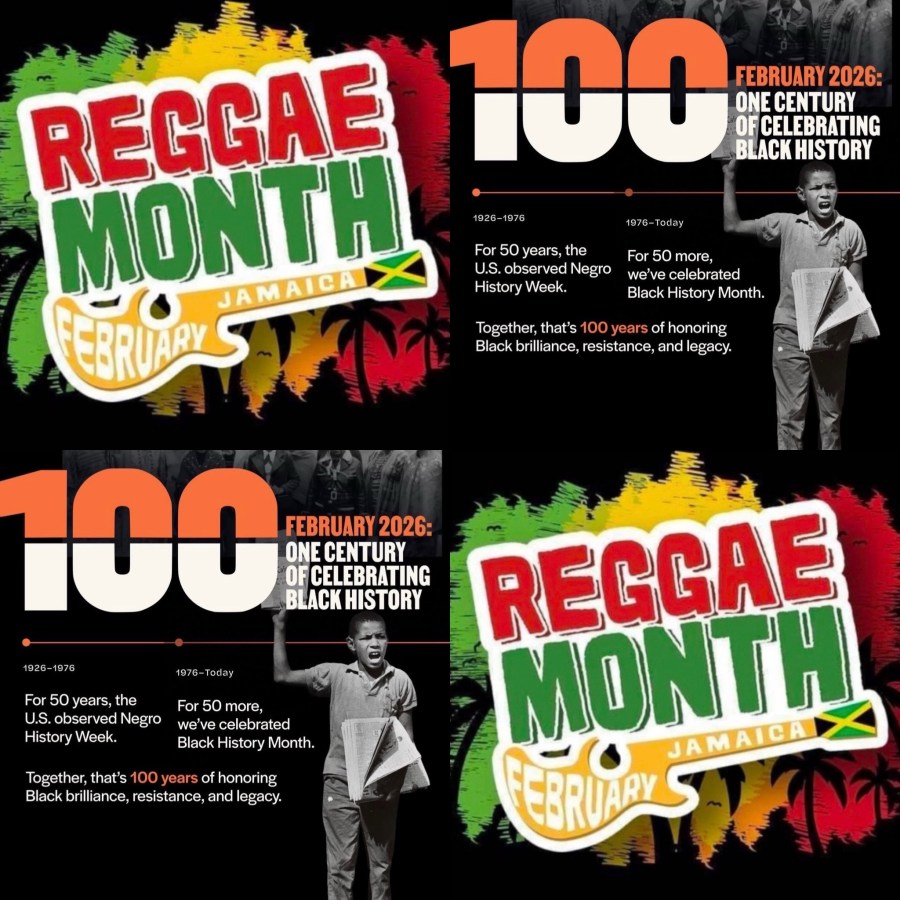
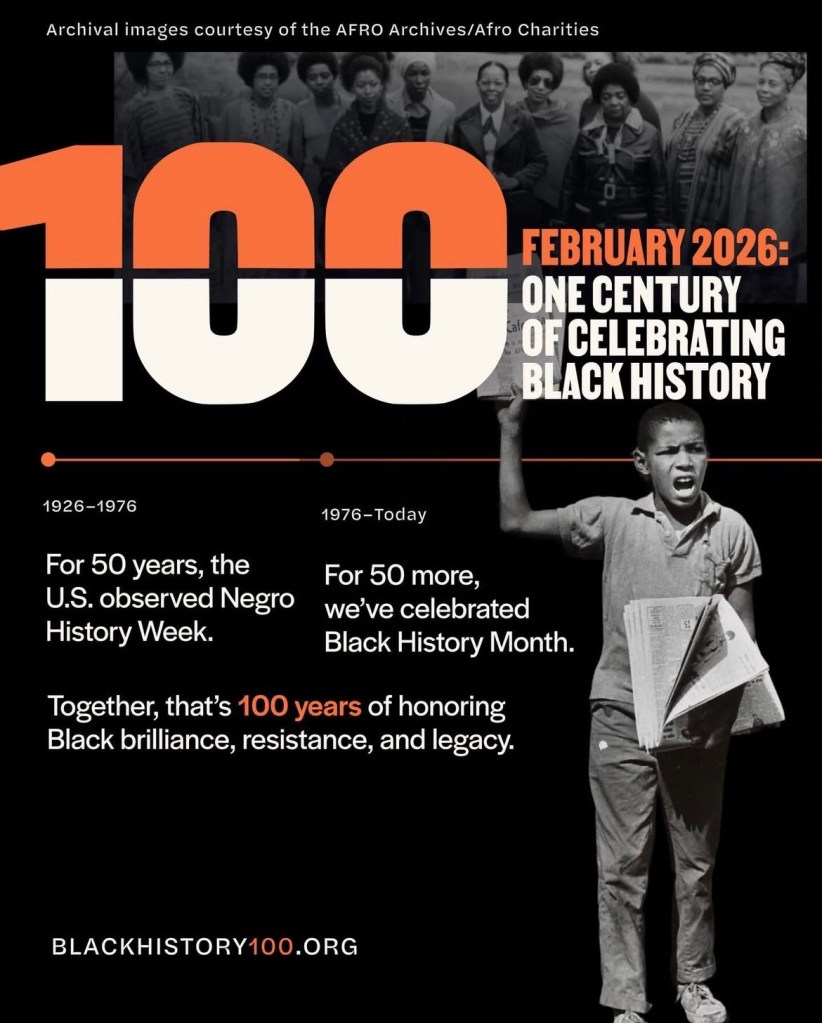
Black History Month — 100 Years Theme: A Century of Black History Commemorations
It started as a week, quiet but determined A steadfast commitment to keep memory alive In the stories carried by teachers, parents, preachers On the wings of “good trouble” when the fight is needed It started as a week, quiet but determined From 1926 to 2026, black history kept moving A century marking time with names, faces Experiences that became presence When derided, learned how to go high It started as a week, quiet but determined.
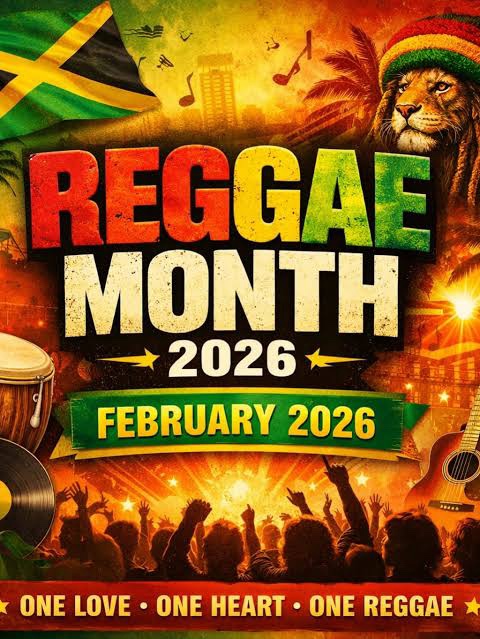
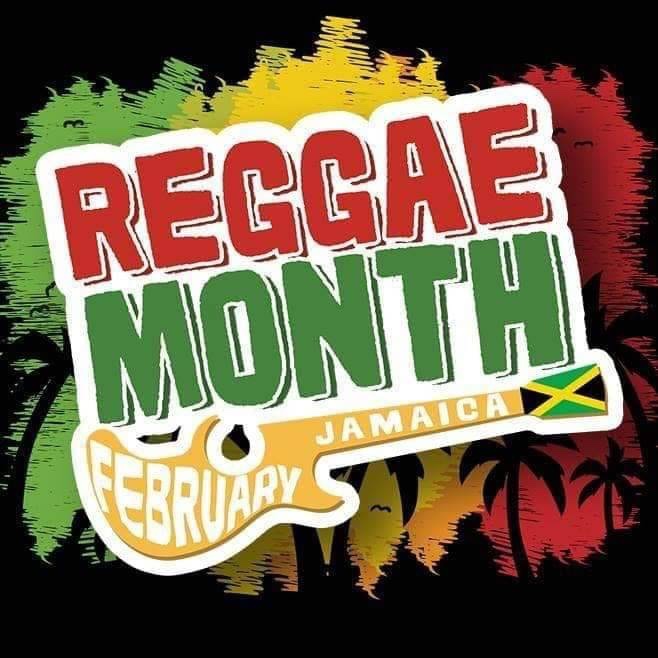
Reggae Month — Jamaica Theme: Rhythms of Resilience
This music rose from survival, not trend From yards, sound systems, everyday struggle Lyrics telling truth before it was safe Bass line steady as the voices that hummed it This music rose from survival, not trend By 2008, the world was already listening— to justice wrapped in melody to culture feeding both soul and economy Reggae still teaches us how to endure This music rose from survival, not trend
Globally, February is widely known for celebrating Black history, and in Jamaica and across the Caribbean, for celebrating reggae.
Theme: A Century of Black History CommemorationsTheme: Rhythms of Resilience
This year I’ll be writing about bothbecause2026 is a significant year. It marks one hundred years since Black history was formally named and recognized in the United States, and eighteen years of acknowledging reggae music’s impact on culture and global consciousness. It is also no coincidence that reggae legends Dennis Brown and Bob Marley were both born in February—on the 1st and 6th, respectively.
I’ll be writing about both together because they carry shared histories of Africans displaced from the Motherland. Both are rooted in demonstrations of African love, resilience, survival, and the demand for social justice. Both exist to remember out loud our story, struggle, creativity, and endurance. Both became global while remaining connected to their African roots.
And, writing of both side by side show that history is not just about books or dates, but that its a living force in rhythm, language, memory, and the ways we tell our stories across cultures and borders.
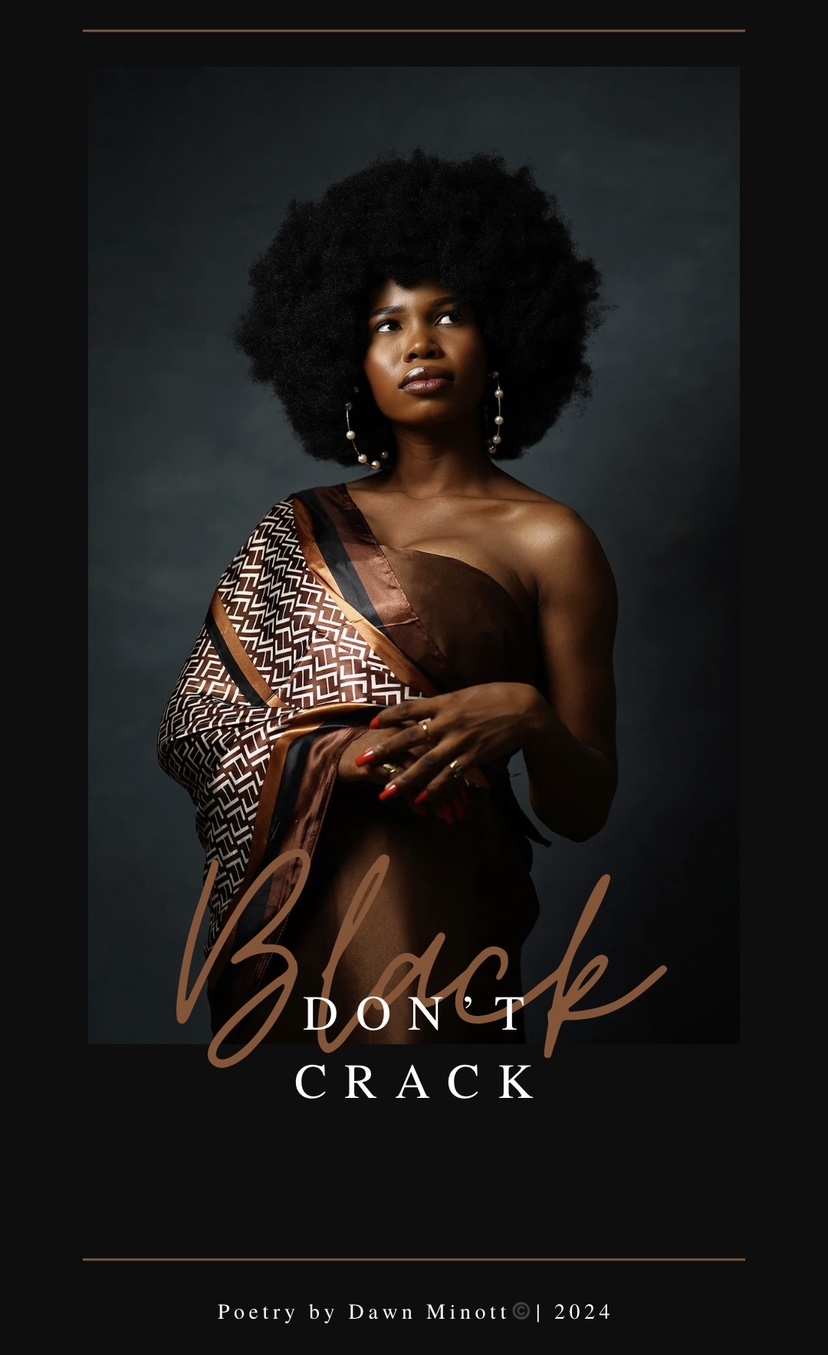
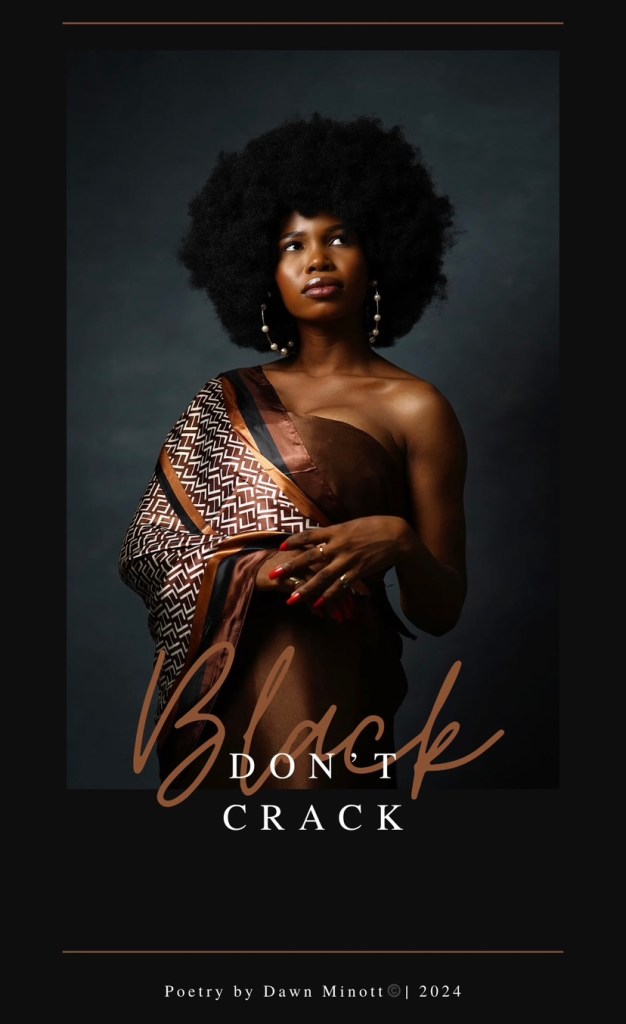
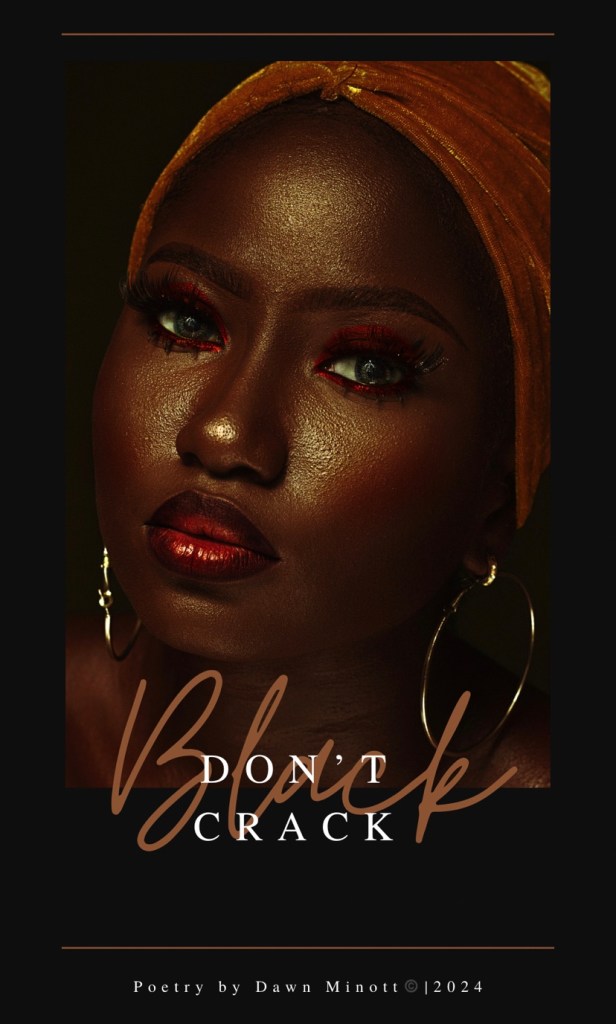
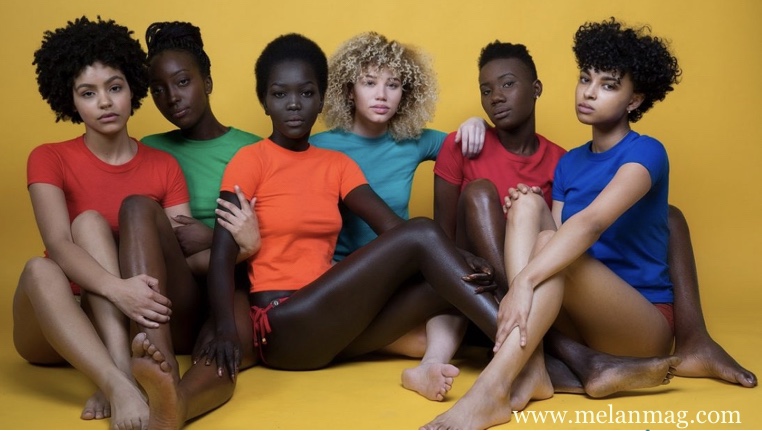
Beautiful black skin we age with grace Testament to the strength of melanin flowing through our race A positive stereotype about physical appearance While all the time oppression wearing down mental perseverance
Erasure of oppressions in subtle superficial narrative: “black don’t crack” Historical misconceptions, lay weight on black women’s back Superwoman schema, generations of history—a heavy load Cape-like shield, deflect society’s discriminating code
Obliged to show strength, while hiding tears Suppressing emotions, internalizing fears Vulnerability, misconstrued, like foe to resist Success pursued, while resources run amiss
Juggling roles, carrying burdens not her own Strength for all, unrealistic seeds are sown Grounded in racist history, archetype cast The Mammy’s devotion, dangerous legacies that last
At the intersection of expectations, unrealistic Femininity and strength, a delicate balance characteristic The scales tipped her resilient stride “Strong black woman” trope, stereotypes collide
That’s what they say: “black don’t crack” Racist expectation of strength, attack Express no emotion, hide fear, hold back tear “Superwoman” schema, worn as protective gear
Yeah! That part … we dismantling that
For what won’t crack will surely break Unravel, put a whole race at stake So take your label, and take your trope Being black is … well, yeah, it’s dope
I’m a black woman, see this face Beautiful melanin, skin age with grace I’m Educated. I’m Empowered. I’m Motivated. For my strength, for my resilience—loved? Nah, that’s hated
But that’s what haters do Prejudice won’t let love come through You won’t bring me down though, make me feel blue Your hate is your own poison, I ain’t gonna chew
The “strong black woman”, sexist-racist construction We taking back our power, reset the foundation Resilient women of African descent Across the diaspora, beyond the continent
We come in all shades of choc-lit Like fire, we blaze legit, won’t quit Hear us roar, our beautiful is black, back We define our strength, yeah, that won’t crack
Mirror, mirror—what do you see? No masks, no tales, the truth of me. Full lips, proud nose, skin sun-kissed like earth at dusk. Wearing hair-itage like a crown, a symphony of strength and soul.
Let them look— The questioning gaze. You were never made for their approval. You were made to radiate. To take up space. To shift rooms.
No need to chase what already lives within. No need to mold what was meant to be free. You are the art, the standard, the source. Unapologetically the quintessential you.
Afterword: Up until the end of the Civil War, more than 200,000 ads to recapture enslaved people who walked away from slavery were published in American newspapers.
I said walked away and not run away.
Why?
It’s about the state of mind.
Running away from a situation is not having the courage or resolve to address it. Walking away from a situation is to think through and coming to an informed conclusion that you cannot change someone’s thought, opinions or beliefs and you choose to walk away.
I chose this ad because the slave owner’s name is Burke. My family name is Burke.
Like what you see? To never miss a post click HERE👈 to subscribe & follow the blog. I love hearing from you, so remember to “like” & comment. For more content start HERE👈
This marks the anniversary of Africans in America 400 plus 5 years Let the story be told in full of ancestral lineage—Kings and Queens till slavery interferes
August of 1619 the record declares: “20 and odd” Africans kidnapped, sold, stripped of their rights Forced-exile, from African land, so began resistance fight
Let this be clear—1619, that is America’s true founding The greatest story, never told, its truth is now unfolding
The treatment of enslaved Africans divided this nation North versus South, civil war gained only partial emancipation
Enslaved people “shall then, thenceforward, and forever be free” But, this long awaited proclamation didn’t free all from slavery
Freedom road paved with hard-won gains broke Galveston’s stronghold “Jubilee Day” birthed Juneteenth—African American holiday to nationally behold
Decades of slavery’s brutality bred a racist legacy The reconstruction period fueled white supremacy
First there were 13 then 15 constitutional amendments made Slavery’s official end and partial voting rights were gained
As African Americans won elections to ascend to seats of power So did terrorism to intimidate, to suppress, and disempower
Jim-crow, segregation, separate but equal under law Pursuit of education was self-improvement path foresaw
Or should they return to Africa build a country of their own? Garvey’s Black Star Line ideas eventually overthrown
No—Stay! Fight! Determined! Resolute resistance! Writers wield pen’s might to stir cultural renaissance
Freedom rides, sit ins, marches all demonstrating “If we must die let it not be like hogs”, Claude McKay’s mantra resonating
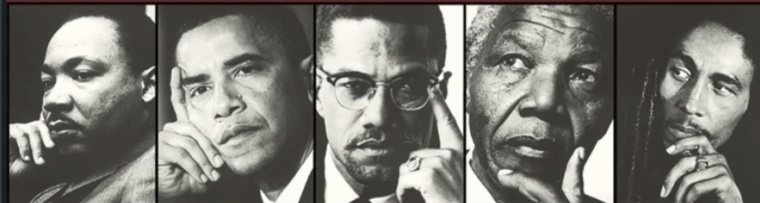
From Tubman’s Underground Railway created to be free To Malcom’s inspired Black Power movement for justice and equality
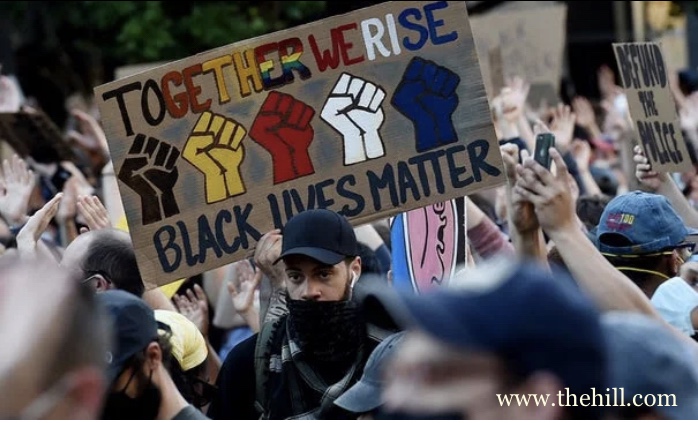
LISTEN … Say their names together: Rodney. Ahmaud. Breonna. George. And so many others
The clarion call; Black Lives Matter— Time to end violence against our sisters and our brothers
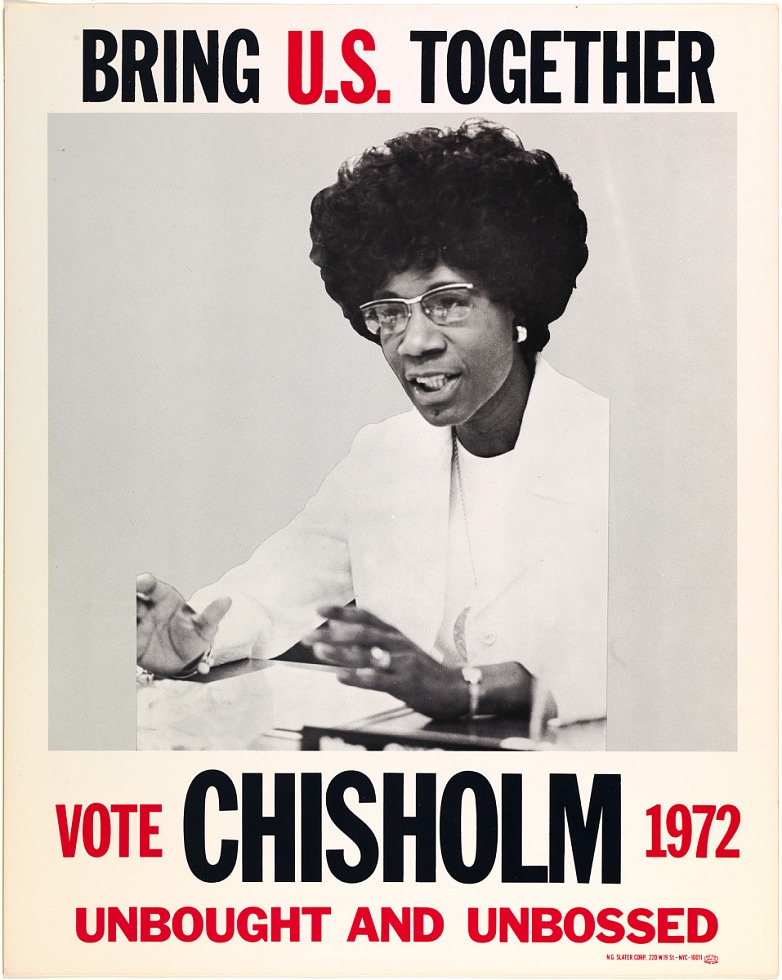
Starting the marathon for a political seat at the table too Shirley Chisholm runs for President in 1972
Jesse Jackson, he picked up the mantle in 1984 The power of the black vote galvanized and opened wide the door
In comes Barack Obama, first Black President elected in 20-0-9 Next Kamala Harris, Black and woman Vice President—for the very first time
It’s been centuries after centuries fighting always to restore Our rightful place as Kings, Queens, Prince, Princesses like ancestors before
No tide of racism is high enough to impede rights-based education Black history now a critical theory in schools’ curriculum foundation
Martin Luther the King of nonviolent civil action Let it be known—our collective strength emerged to shape the identity of this nation
“Surely been rebuked, surely been scorned But still my soul is-a heaven-born
If you don’t know that I been redeemed Just follow me down to Jordan’s stream”
This is what it’s all about — Echoes of liberation we will shout:
Free at last! Free at last! Thank God Almighty, we are free at last!
2024 All Rights Reserved
Like what you see? To never miss a post click HERE👈 to subscribe & follow the blog. I love hearing from you, so remember to “like” & comment. For more content start HERE👈
Out from the shadow of bondage Harriet Tubman emerged a Moses of her people a conductor on the Underground Railroad
Stood up to cruelty witnessed the weight of two-pound injustice meted out her head bore the brunt the scar etched into her mind resistance a lifetime of headaches and narcolepsy endured
Marriage, a clandestine act for slaves still, she wed John Tubman took his last name with newfound strength took her mother’s first name declared herself Harriet Harriet Tubman a name echoing through the corridors of freedom
Taken to the Underground Railroad a frequent traveler through its undercover tracks escaped the chains defied the bounty on her freedom
Fluent in bird calls a symphony of liberation she waded through swampy marshes where depth eluded sight her expertise in nature a compass to liberty
Botany, geography, astronomy, herbal lore, wildlife biology encased in her survival Harriet Tubman a force of nature her legacy now guides bids others through the uncharted paths of freedom
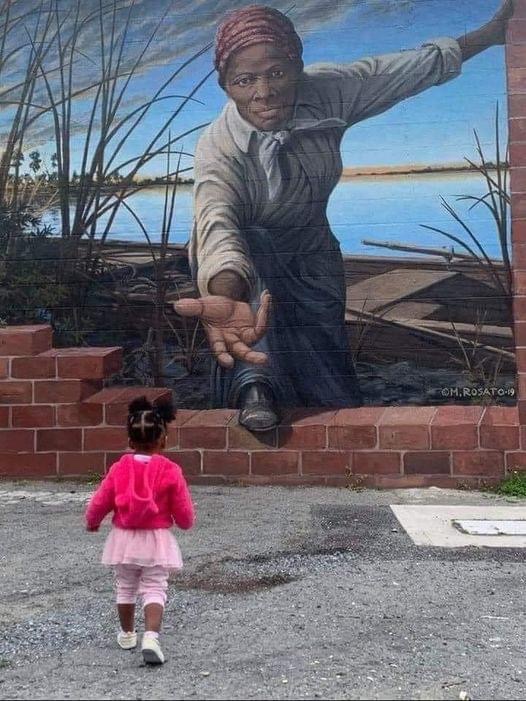
The Harriet Tubman Mural (Michael Rosato, 2019) at the Harriet Tubman Museum & Educational Center, Cambridge Maryland
A 1-year-old girl walking towards the outstretched hand of a mural of Harriet Tubman. Photo taken by Jen Logan.
Beforeword: This year’s BHM theme recognizes and celebrates African Americans in the arts. This poem is attributed to my recent return to Barbados and a reminder of the legacy of the Bajan chattel house. These were the first homes the freed slaves could own. The survival of the design of these timeless houses of wood are a testament to the craftsmanship of Africans.
Splattered across the landscape, the Barbados Chattel House stands Symbolic shoutout to freedom, built by once enslaved hands
Freed from shackles, a new chapter began A dwelling placed claimed, a piece of the plan
Crafted by skillful African artisans of old Wooden homes, silent salute to architectural stories bold
Legacy etched in the grain of craftsmanship sublime Dreams of liberty engraved in each meticulous line
Jalousie louvers and shutters, doors without glass Configured possibilities, in a world connected to its past
Four-sided roofs, a defense steep and resolute Of galvanized metal sheets or wood, shelter absolute
For land—a lease paid in toil and sweat Termination loomed always, a constant threat
A tenantry’s journey, tethered not in earthy foundation House perched on blocks, easily moved by transportation
Tiny houses set to be moved at whim, fulfilling landlords’ desires Plantation workers, not owners, treated as no more than occupiers
Architectural blueprint, a new order their craftsmanship weaves Inspiring modern design, akin to what their history reveals
Though
Crafted by hands once bounded, legacy endures beyond the chains Freedmen’s toil in each wooden panel, a resilience traced in pains
Through the annals of history, the whispers of legacy’s persistence The Barbados Chattel house, a reminder tale of struggle and resistance
One of the most noticeable chattel houses in Barbados is located on Wildey Main Road, in St Michael. It has been designated by the Barbados National Trust. Source: Pinterest
From inventing the sanitary belt for women—liberating to the steel pan for musicians—playing to peanut as smooth as butter—spreading
Yeah … black history’s way too creatively expansive for this poem’s attempt to contain it or even fully convey it
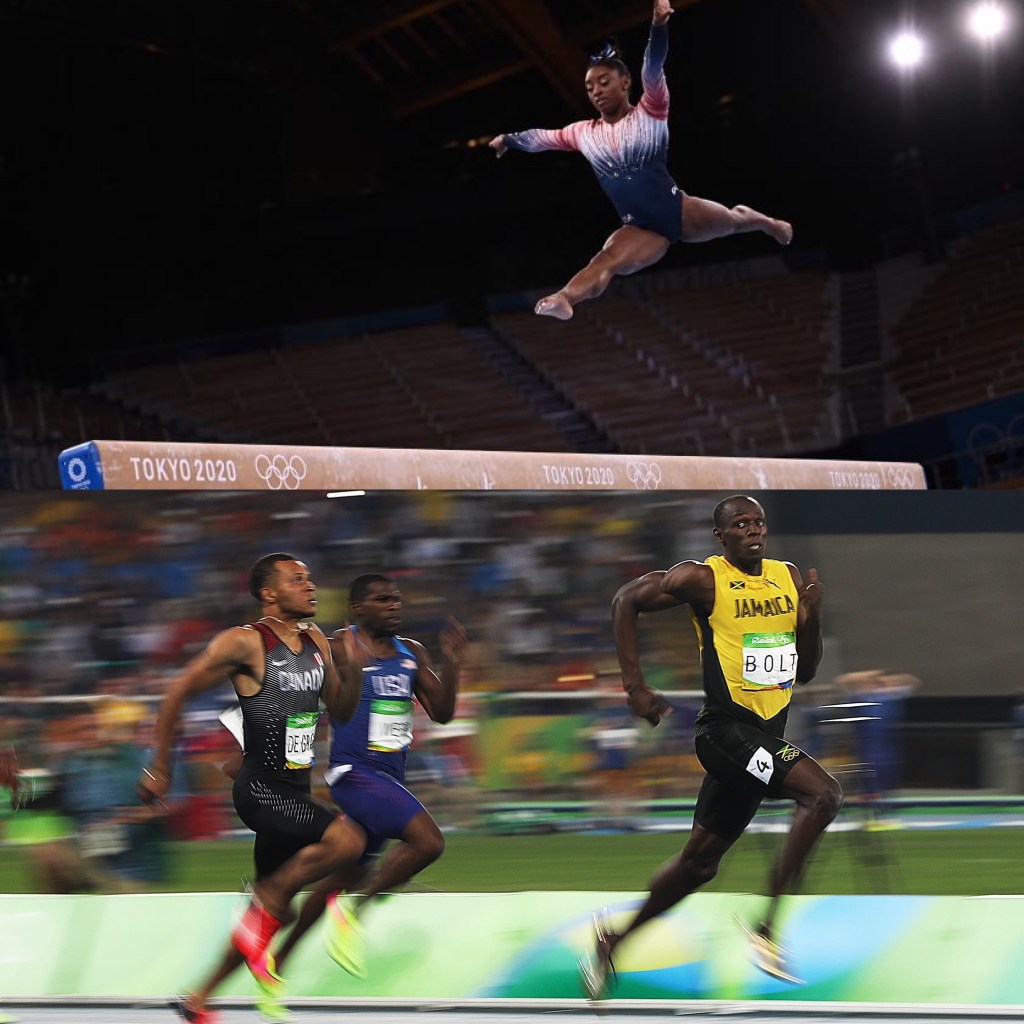
black history IS, bombastic—it vaults the Biles o’er racist typologies
It runs Bolt-fast, dismantling discrimination o’er tracks and in fields …
Whether cotton or tobacco … whether on sidewalks, in cars or in beds …
Whether with the noose or whatever weapons they choose
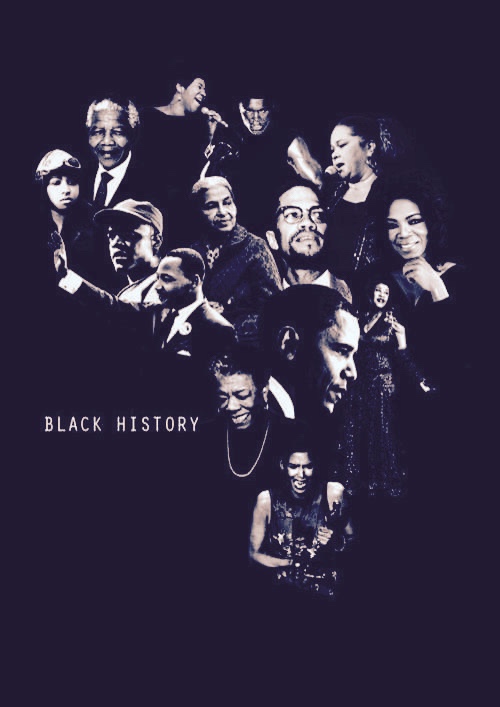
Black lives being snuffed out, we shout…with the intellectual prowess of Timbuktu’s Bamba to the oratory genius of King-Marley-Gorman
We challenge isms and schisms to achieve justice, to experience one-love, to find light in the never-ending shade
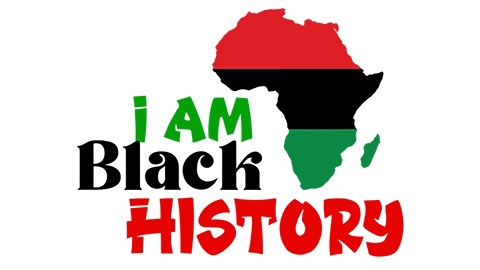
black history IS, me—I am my history interdependently connected
It’s too beautiful for me not to value my worth—regardless of what others think or how they feel about me—my history says: I matter!
It’s too deeply misunderstood not to be activist
It’s too compassionate not to be treated with care, to be protected, to be loved unequivocally, no questioning
It’s too artistic in rhythm, in harmony, in melody to not sing it or dance it, orate it or play it—in all ways, though, to honor it
It’s too matriarchal not to tell her-story—from Mama Africa to children of the diaspora—separate, yet together, equal
black history IS, all-encompassing, intersectional
It’s been hurt enough to empathize with other’s stories
It’s too linked to be conceived as separate or sovereign
It’s too panoptic to not be a shared humanity
It’s a collective human story
black history IS, because we are
All Rights Reserved
(1st published 2022)
Like what you see? To never miss a post click HERE👈 to subscribe & follow the blog. I love hearing from you, so remember to “like” & comment. For more content start HERE👈
Afterword: The gwawdodyn byr is a sestet (or six-line stanza) form with 9 syllables in the first 4 lines; 10 syllables in the final 2 lines; lines 1-4 and 6 end rhyme; the end of line 5 rhymes with a syllable in line 6.
2023 All Rights Reserved
Like what you see? To never miss a post click HERE👈 to subscribe & follow the blog. I love hearing from you, so remember to “like” & comment. For more content start HERE👈
Ships arrived Fourteen-ninety-two Conquest of Paradise A place can’t be “discovered” Where people were found
Afterword: Shadorma is a Spanish 6-line syllabic poem of 3/5/3/3/7/5 syllable lines respectively. Simple as that.
Like what you see? To never miss a post click HERE👈 to subscribe & follow the blog. I love hearing from you, so remember to “like” & comment. For more content start HERE👈
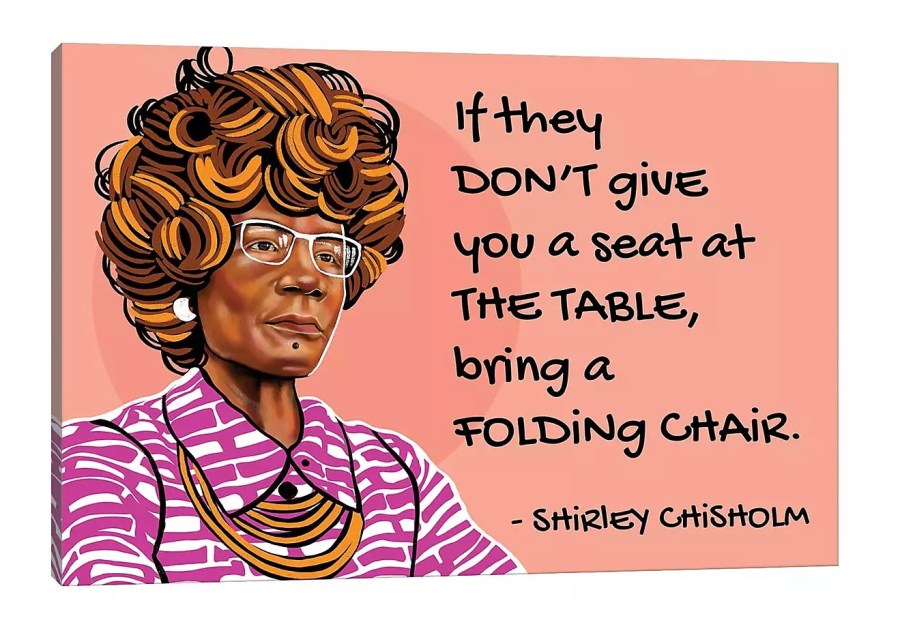
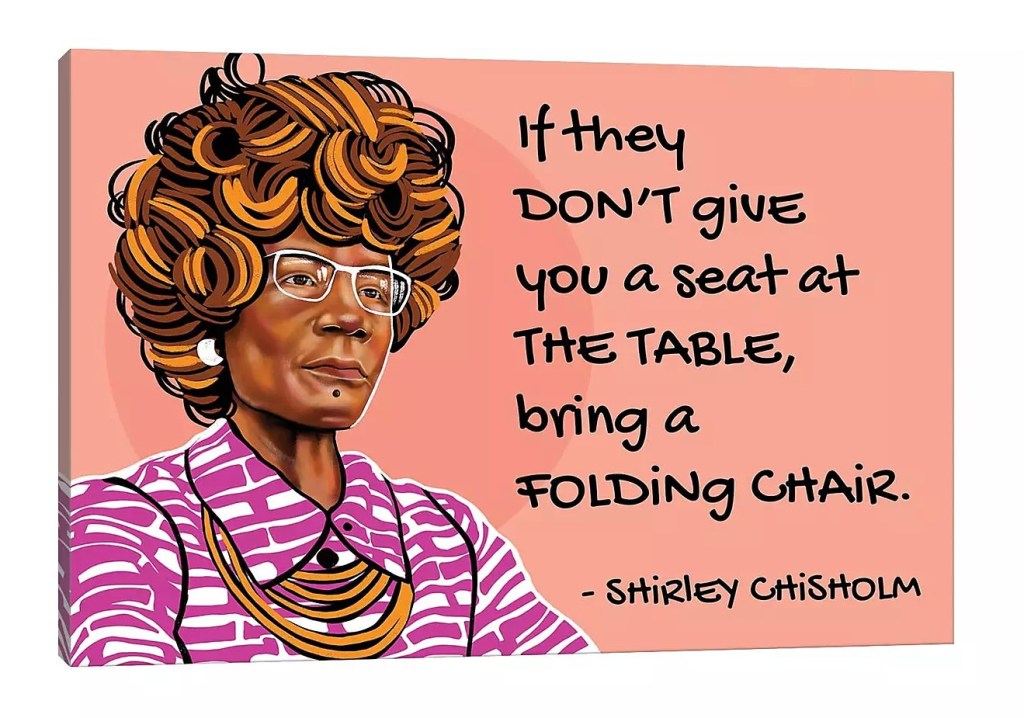
Black History Month poetic tribute to Shirley Chisholm
Create space
Never hesitate
You have voice
There’s a choice
Seat not offered at the table?
Carry your own chair
Afterword: Shadorma is a Spanish 6-line syllabic poem of 3/5/3/3/7/5 syllable lines respectively. Simple as that.
2023 All Rights Reserved
Like what you see? To never miss a post click HERE👈 to subscribe & follow the blog. I love hearing from you, so remember to “like” & comment. For more content start HERE👈
African Americans have consistently resisted historic and ongoing oppression, in all its forms.
Nearly 179 years ago, the Rev. Henry Highland Garnett proposed that the only path to freedom, justice, and equality; self-determination; and/or social transformation is RESISTANCE.
In thunder tones, Garnett shouted:
Let your motto be resistance! resistance! RESISTANCE!
By resisting Black people have achieved triumphs, successes, and progress as seen in the end of chattel slavery, dismantling of Jim and Jane Crow segregation in the South, increased political representation at all levels of government, desegregation of educational institutions, the passage of Civil Rights Act of 1964, the opening of the Smithsonian National Museum of African American History in DC and increased and diverse representation of Black experiences in media.
Black resistance strategies have served as a model for every other social movement in the country, thus, the legacy and importance of these actions cannot be understated.
Like what you see? To never miss a post click HERE👈 to subscribe & follow the blog. I love hearing from you, so remember to “like” & comment. For more content start HERE👈
This blog, titled "Empowering Leadership: Building a Harmonious Partnership Between School Management and Principals," explores the essential factors that foster a strong and effective relationship between school management and principals. Drawing on historical context, philosophical principles, Indian legal frameworks, and mythological analogies, the blog offers insights into creating a balanced dynamic where principals are empowered yet accountable. It provides practical strategies for ensuring the administrative, academic, and financial health of educational institutions through clear communication, shared vision, and mutual respect.













 Poems & More