Afterword: Up until the end of the Civil War, more than 200,000 ads to recapture enslaved people who walked away from slavery were published in American newspapers.
I said walked away and not run away.
Why?
It’s about the state of mind.
Running away from a situation is not having the courage or resolve to address it. Walking away from a situation is to think through and coming to an informed conclusion that you cannot change someone’s thought, opinions or beliefs and you choose to walk away.
I chose this ad because the slave owner’s name is Burke. My family name is Burke.
Like what you see? To never miss a post click HERE👈 to subscribe & follow the blog. I love hearing from you, so remember to “like” & comment. For more content start HERE👈
Out from the shadow of bondage Harriet Tubman emerged a Moses of her people a conductor on the Underground Railroad
Stood up to cruelty witnessed the weight of two-pound injustice meted out her head bore the brunt the scar etched into her mind resistance a lifetime of headaches and narcolepsy endured
Marriage, a clandestine act for slaves still, she wed John Tubman took his last name with newfound strength took her mother’s first name declared herself Harriet Harriet Tubman a name echoing through the corridors of freedom
Taken to the Underground Railroad a frequent traveler through its undercover tracks escaped the chains defied the bounty on her freedom
Fluent in bird calls a symphony of liberation she waded through swampy marshes where depth eluded sight her expertise in nature a compass to liberty
Botany, geography, astronomy, herbal lore, wildlife biology encased in her survival Harriet Tubman a force of nature her legacy now guides bids others through the uncharted paths of freedom
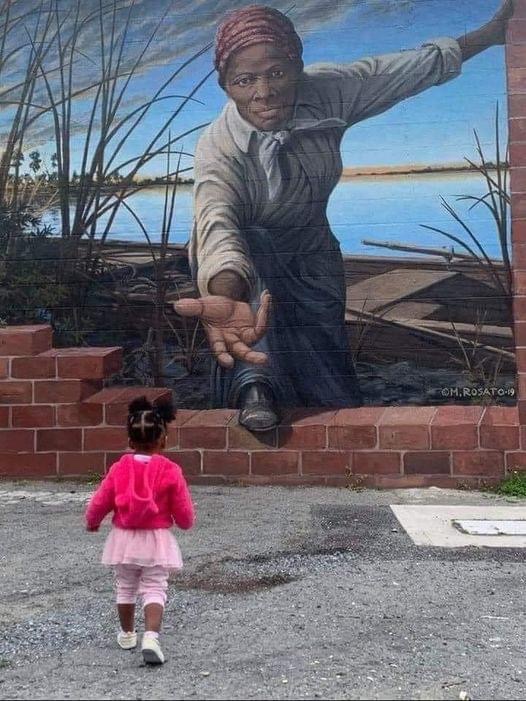
The Harriet Tubman Mural (Michael Rosato, 2019) at the Harriet Tubman Museum & Educational Center, Cambridge Maryland
A 1-year-old girl walking towards the outstretched hand of a mural of Harriet Tubman. Photo taken by Jen Logan.
Beforeword: This year’s BHM theme recognizes and celebrates African Americans in the arts. This poem is attributed to my recent return to Barbados and a reminder of the legacy of the Bajan chattel house. These were the first homes the freed slaves could own. The survival of the design of these timeless houses of wood are a testament to the craftsmanship of Africans.
Splattered across the landscape, the Barbados Chattel House stands Symbolic shoutout to freedom, built by once enslaved hands
Freed from shackles, a new chapter began A dwelling placed claimed, a piece of the plan
Crafted by skillful African artisans of old Wooden homes, silent salute to architectural stories bold
Legacy etched in the grain of craftsmanship sublime Dreams of liberty engraved in each meticulous line
Jalousie louvers and shutters, doors without glass Configured possibilities, in a world connected to its past
Four-sided roofs, a defense steep and resolute Of galvanized metal sheets or wood, shelter absolute
For land—a lease paid in toil and sweat Termination loomed always, a constant threat
A tenantry’s journey, tethered not in earthy foundation House perched on blocks, easily moved by transportation
Tiny houses set to be moved at whim, fulfilling landlords’ desires Plantation workers, not owners, treated as no more than occupiers
Architectural blueprint, a new order their craftsmanship weaves Inspiring modern design, akin to what their history reveals
Though
Crafted by hands once bounded, legacy endures beyond the chains Freedmen’s toil in each wooden panel, a resilience traced in pains
Through the annals of history, the whispers of legacy’s persistence The Barbados Chattel house, a reminder tale of struggle and resistance
One of the most noticeable chattel houses in Barbados is located on Wildey Main Road, in St Michael. It has been designated by the Barbados National Trust. Source: Pinterest
From inventing the sanitary belt for women—liberating to the steel pan for musicians—playing to peanut as smooth as butter—spreading
Yeah … black history’s way too creatively expansive for this poem’s attempt to contain it or even fully convey it
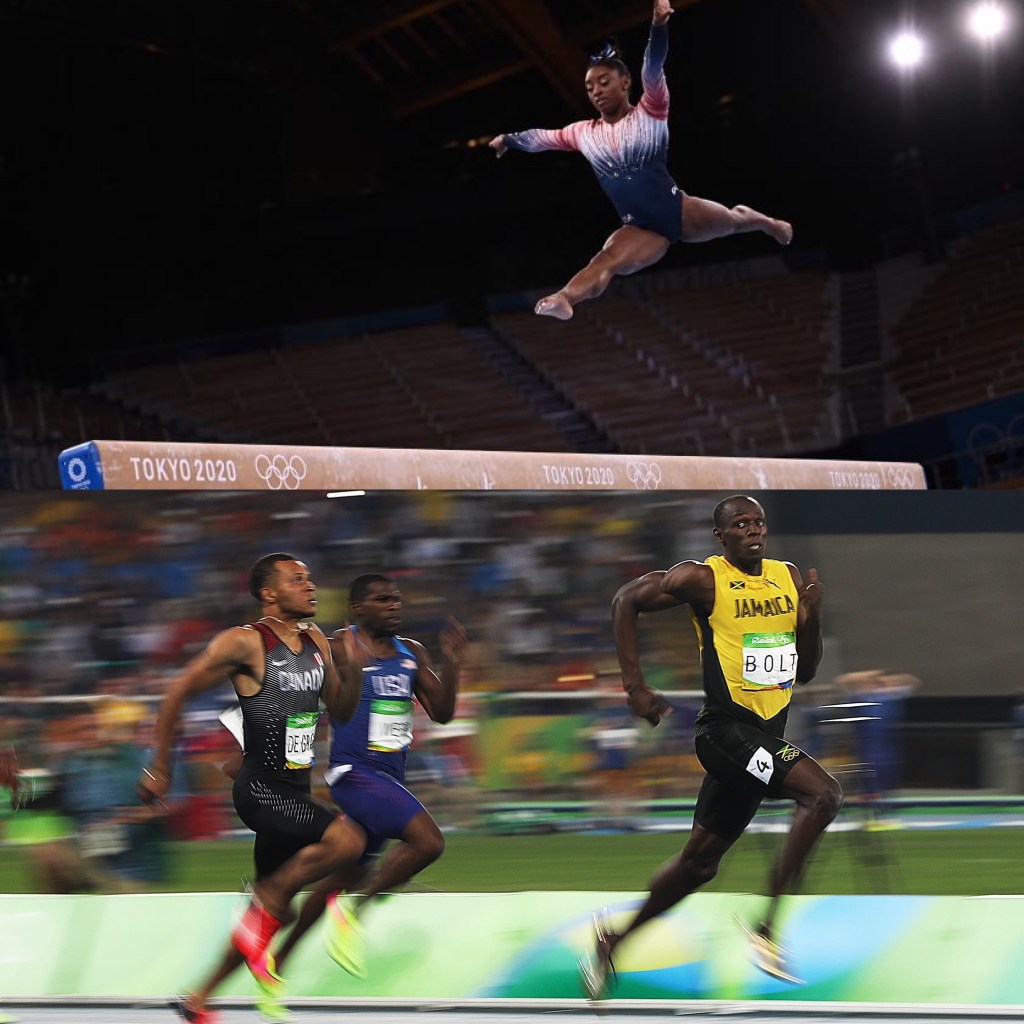
black history IS, bombastic—it vaults the Biles o’er racist typologies
It runs Bolt-fast, dismantling discrimination o’er tracks and in fields …
Whether cotton or tobacco … whether on sidewalks, in cars or in beds …
Whether with the noose or whatever weapons they choose
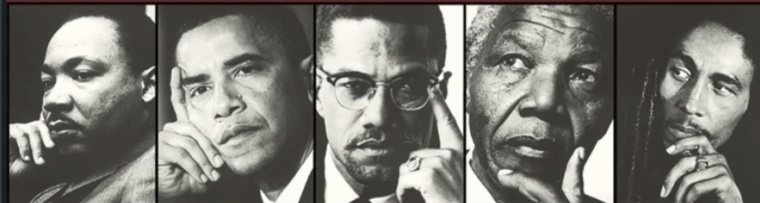
Black lives being snuffed out, we shout…with the intellectual prowess of Timbuktu’s Bamba to the oratory genius of King-Marley-Gorman
We challenge isms and schisms to achieve justice, to experience one-love, to find light in the never-ending shade
black history IS, me—I am my history interdependently connected
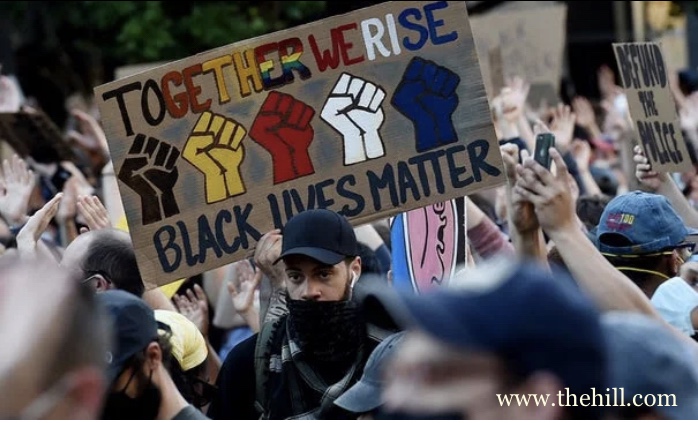
It’s too beautiful for me not to value my worth—regardless of what others think or how they feel about me—my history says: I matter!
It’s too deeply misunderstood not to be activist
It’s too compassionate not to be treated with care, to be protected, to be loved unequivocally, no questioning
It’s too artistic in rhythm, in harmony, in melody to not sing it or dance it, orate it or play it—in all ways, though, to honor it
It’s too matriarchal not to tell her-story—from Mama Africa to children of the diaspora—separate, yet together, equal
black history IS, all-encompassing, intersectional
It’s been hurt enough to empathize with other’s stories
It’s too linked to be conceived as separate or sovereign
It’s too panoptic to not be a shared humanity
It’s a collective human story
black history IS, because we are
All Rights Reserved
(1st published 2022)
Like what you see? To never miss a post click HERE👈 to subscribe & follow the blog. I love hearing from you, so remember to “like” & comment. For more content start HERE👈
Afterword: The gwawdodyn byr is a sestet (or six-line stanza) form with 9 syllables in the first 4 lines; 10 syllables in the final 2 lines; lines 1-4 and 6 end rhyme; the end of line 5 rhymes with a syllable in line 6.
2023 All Rights Reserved
Like what you see? To never miss a post click HERE👈 to subscribe & follow the blog. I love hearing from you, so remember to “like” & comment. For more content start HERE👈
Ships arrived Fourteen-ninety-two Conquest of Paradise A place can’t be “discovered” Where people were found
Afterword: Shadorma is a Spanish 6-line syllabic poem of 3/5/3/3/7/5 syllable lines respectively. Simple as that.
Like what you see? To never miss a post click HERE👈 to subscribe & follow the blog. I love hearing from you, so remember to “like” & comment. For more content start HERE👈
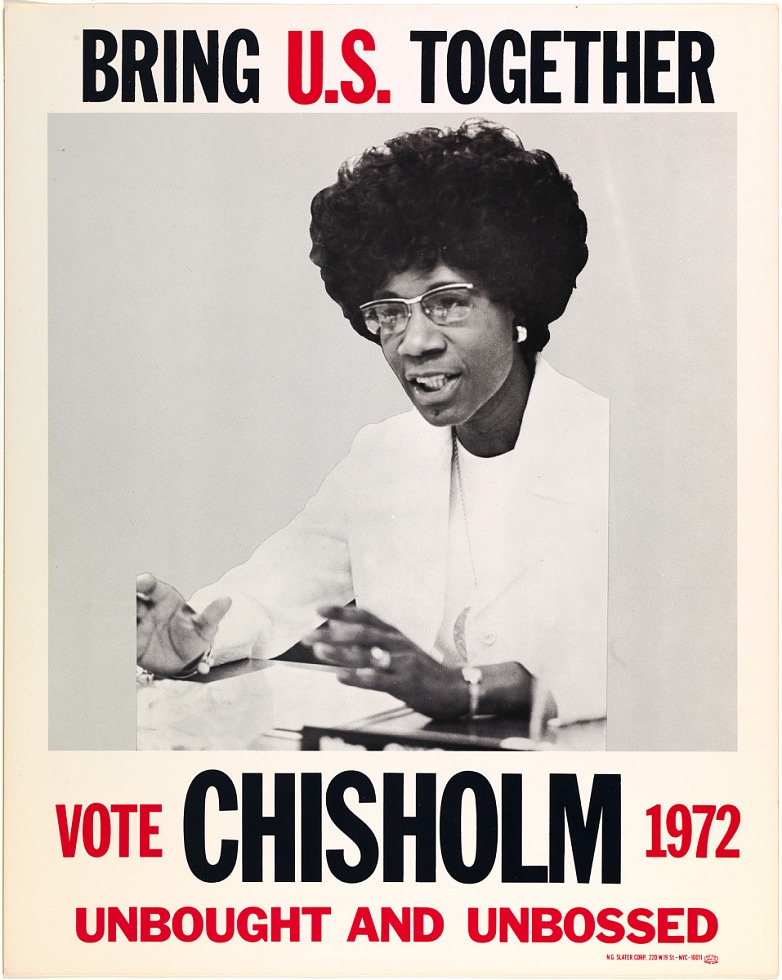
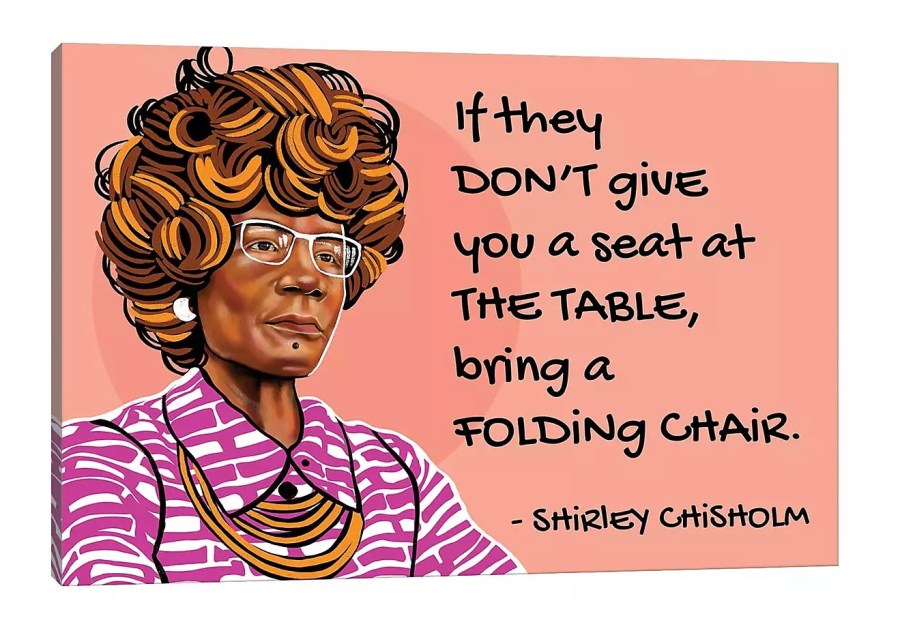
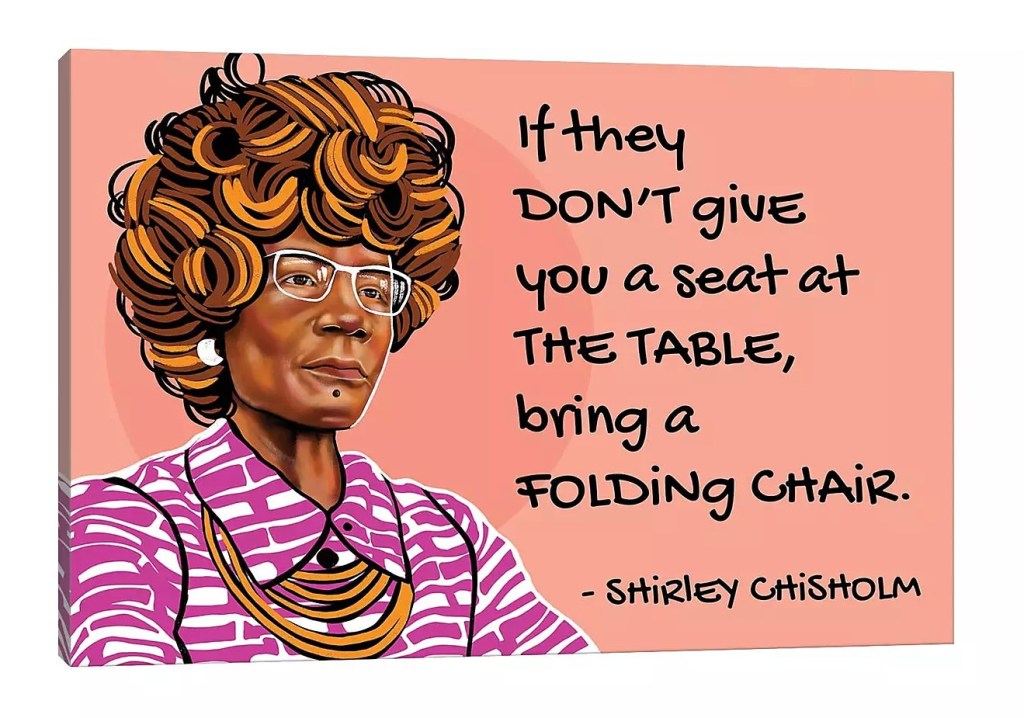
Black History Month poetic tribute to Shirley Chisholm
Create space
Never hesitate
You have voice
There’s a choice
Seat not offered at the table?
Carry your own chair
Afterword: Shadorma is a Spanish 6-line syllabic poem of 3/5/3/3/7/5 syllable lines respectively. Simple as that.
2023 All Rights Reserved
Like what you see? To never miss a post click HERE👈 to subscribe & follow the blog. I love hearing from you, so remember to “like” & comment. For more content start HERE👈
African Americans have consistently resisted historic and ongoing oppression, in all its forms.
Nearly 179 years ago, the Rev. Henry Highland Garnett proposed that the only path to freedom, justice, and equality; self-determination; and/or social transformation is RESISTANCE.
In thunder tones, Garnett shouted:
Let your motto be resistance! resistance! RESISTANCE!
By resisting Black people have achieved triumphs, successes, and progress as seen in the end of chattel slavery, dismantling of Jim and Jane Crow segregation in the South, increased political representation at all levels of government, desegregation of educational institutions, the passage of Civil Rights Act of 1964, the opening of the Smithsonian National Museum of African American History in DC and increased and diverse representation of Black experiences in media.
Black resistance strategies have served as a model for every other social movement in the country, thus, the legacy and importance of these actions cannot be understated.
Like what you see? To never miss a post click HERE👈 to subscribe & follow the blog. I love hearing from you, so remember to “like” & comment. For more content start HERE👈
A collection of writing by Dominic Riccitello — intimate conversations, personal essays, and poetic reflections on relationships, loss, and self-discovery.











 Poems & More