


Click👆to listen to audio of this post
Shabbat Shalom. This is part 2 of Jehovah Jireh. Part I is available here👈. Let’s get right into it.
… Abraham called the name of the place, The-Lord-Will-Provide; as it is said to this day, “In the Mount of the Lord it shall be provided.”
Genesis 22:14 NKJV
In part 1 we focused on the first part of Abraham’s declaration of this name of God—The Lord Will Provide, which in Hebrew is Jehovah Jireh. This post will be about the second part of the verse—“in the Mount of the Lord it shall be provided”—looking at which “mount” and what is the “it” to be provided.
As I’ve been doing with these explorations of God’s names, we’ll start with the backstory and apply relevance to our lives in the now.
This backstory of the “it” goes way back to the beginning!
You see, long before God made the covenant with Abraham, he first made it with Eve and Adam. God created humans with free will and the ability to use that free will to have a relationship with Him. When Eve and Adam succumbed to the devil’s temptation and deception, they went against what God commanded. In other words, they sinned as sin is the transgression of God’s law. (1 John 3:4) And that severed their relationship with God.

In fact, their very first act was to hide, to separate themselves from God. And God’s very first act was to seek. And He’s been on a seeking or grace mission ever since.
God covenanted with Eve and Adam that theirs and all humanity’s relationship with Him would be restored, bringing them again into harmony with divine will to enable them to obey God’s law. So He gave them this promise of grace which was also a direct rebuke to the devil while also putting the devil on notice.
This was God’s promise:
I will put enmity between thee and the woman, and between thy seed and her seed; it shall bruise thy head, and thou shalt bruise his heel.
Genesis 3:15
Time won’t allow for an in-depth review of this verse, but suffice it to say it was the Bible’s first mention of the covenant of grace that promised a Savior to enable humans to obey God’s law. And that the ratification would be through a sacrifice thus pointing to Jesus Christ who was to come in the fullness of time. In the interim a sacrificial system was put in place as a substitute.
Now we get to Abraham. By the time Abraham was born, just over 2,000 years later, what was started by Eve and Adam had proliferated widely and sin had taken over the hearts of the people so much so they had mostly forgotten the ways and law of God.
Abraham’s dad, for example, had forgotten the command to worship no other gods and was steeped in idolatry. But not Abraham. Abraham revered God. Unlike Eve and Adam who hid from God, when God called Abraham his response was: “Here I am”! (Genesis 22:1)

How did Abraham stay faithful to a God he’d not seen his father worship?
Back then, the ways of God—his laws/commandments—were passed on from one generation to the other through their oral traditions. So it’s quite plausible that Abraham heard some things. The point is, we don’t know what knowledge he had about the true God. But, what we do know is when God spoke to him about the promise of a Savior, in faith, Abraham believed.
In fact, Jesus Himself confirmed this. Jesus said,
… Abraham rejoiced as he looked forward to my coming. He saw it and was glad.
John 8:56
What Jesus was saying was this: when God interrupted the sacrifice of Isaac on Mount Moriah and provided a substitute ram, Abraham saw not only a provision for the immediate sacrifice but through faith he saw all the way to the provision of the ultimate sacrifice through Jesus.

So when Abraham followed his declaration of “Jehovah Jireh” with “in the Mount of the Lord it shall be provided”, he was referring to Golgotha—the place where Jesus was crucified, which many scholars believe to be the same as Moriah. And the “it” he referred to was the redemption from sin through the sacrificial gift of Jesus.
From “Old” to “New” Covenant
Now, let’s look specifically at this covenant that God made with Abraham. First, it’s important to point out that it was actually a renewal of the covenant first made to Eve and Adam. And what is that? The “it”—the redemption of all humanity through a Savior on condition of obedience through faith in Christ. This was the covenant renewed to Abraham, with a promise, and he accepted by faith that the Savior to fulfill or ratify the covenant would come through his lineage.
The actual wording of the promise to Abraham is this:
… in thee shall all families of the earth be blessed.
Genesis 12:3 KJV
Or as Adam Clarke expounded: “In thy posterity, in the Messiah, who shall spring from thee, shall all families of the earth be blessed”. We also saw that in last week’s post in the lineage litany.
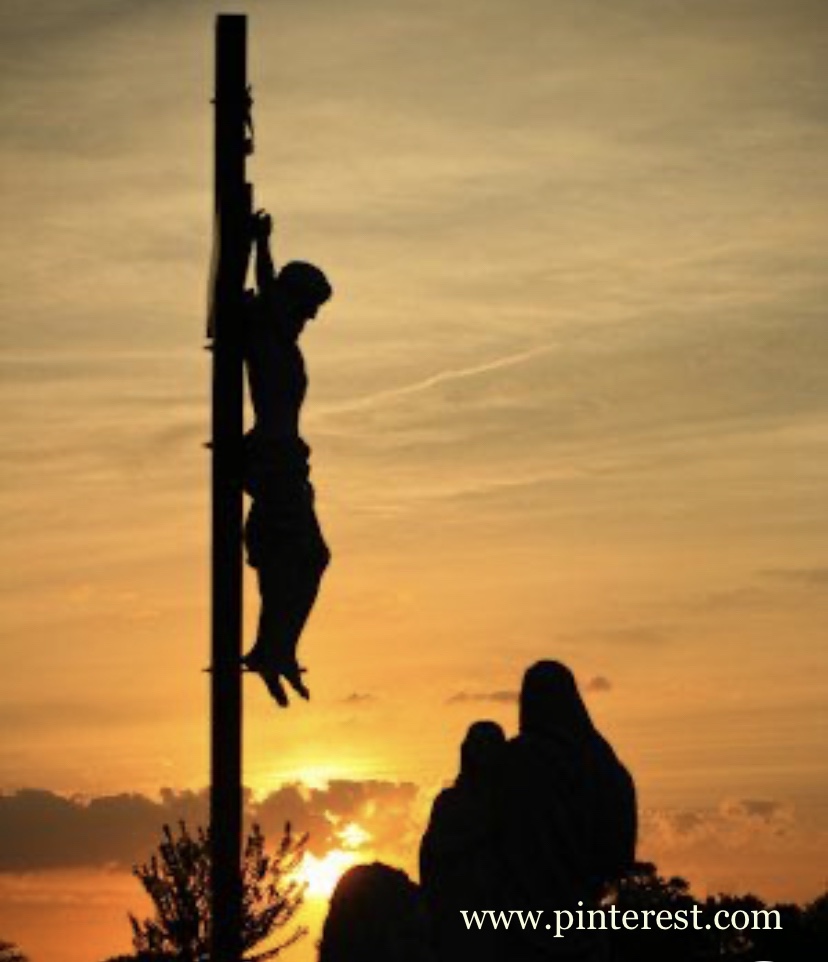
When Jesus died He ratified the covenant and so it’s referred to as “new” but in essence it’s always been the “it”—the plan for bringing humanity back in relationship with God or into harmony with the divine will enabling them to obey God’s law.
God’s law has always been the basis of this covenant because without it there could be no sin.
I could go on and on because there’s so much to say; but let me wrap this up with three application points.
Application Point I: We hide, God seeks.
The theme of the everlasting promise told throughout the ages and that will continue to the end of time is this: God is on a ceaseless quest to draw your heart and mine back to Him. So much so God, as the Son, came to earth to die in order to redeem estranged sinners and to bring us back into an authentic personal relationship with Himself. I am so happy I accepted His call.
Is He calling you? If you are hiding God is seeking—He wants to be in relationship with you.
Application Point II: Don’t get it twisted, the blessing is not the promise.
The promise of the covenant renewed to Abraham came with blessings: land, a place to live, a son and numerous offspring. However, Abraham knew to distinguish between the blessing (his son) and the promise (God’s Son, our Savior). He was willing to give up his blessing in order to gain the promise and not just for himself but for “all families of the earth”. That includes you and I.
Are we holding on so tightly to something or someone God blessed us with when He wants to give us so much more if we let go—the promise, HIMSELF?!
Application Point III: In covenantal matters with God, a child of God can always expect reciprocity.
In the last post I described the promises between God and His children as conditional based on a sequence of “if-then” actions. Though the covenant was ratified on Calvary through Jesus, the aim of the covenant is eternal—that “ALL families of the earth be blessed”. God is immutable. He says what He means and means what He says. So “all families” means all—those from Adam’s days, those from Abraham’s days, those today and those to come.
And, the “if-then” actions also remain—God initiates with a promise, IF we accept and obey His commandments, statutes, and laws, THEN He fulfills. And, we see this with Abraham. Of Abraham God said, he “obeyed My voice, and kept My charge, My commandments, My statutes, and My laws”. (Genesis 26:5) This will be the same measure for those who choose to accept the grace covenant and be God’s children.
Why? Because the covenant made between God and His people (first to Adam and Eve and renewed through Abraham) was based on a relationship of commitment and obedience.
Shabbat Shalom
We see that God reveals Himself as provider of both our physical and spiritual needs. He meets the physical needs of all humanity—as the Bible puts it, giving sunshine and rain to all regardless of their disposition toward God. (Matthew 5:45). Through the death of Jesus, He’s also made provision to meet the spiritual needs of all, but that must be a matter of choice on our part.
Personally, I cannot comprehend how Jesus could leave His sovereign position on the eternal throne of Deity to come to earth and die in order to redeem me. It’s mind boggling, to say the least. So I live in gratitude everyday because of this grace-gift.
You’ll recall last post I said Abraham’s call to sacrifice his son made me cringe. Yes, at the surface level the story is indeed cringe-worthy. But, when you go deeper, it’s a beautiful foreshadowing story of past-present-future colliding as I shared through an epic poem in a previous post: The Sacrifice.👈
May you come to know and choose the God who provides now and in the future for all your needs including the redemption from sin.
This is part of a series of posts, “What in God’s Name”, exploring the 7 redemptive names of God. See you next week for Jehovah Tsidkenu—the God who is our Righteousness.
You may find the overview of the series in this post where it all started👈
2022 ©DeeMin All rights reserved
Thank you for journeying along. First time to the site? Welcome! Feel free to “like” or drop a comment, I love hearing from you.
You may start here👈 and for more subscribe to the blog here👈
In creative solidarity, Dee


 Poems & More