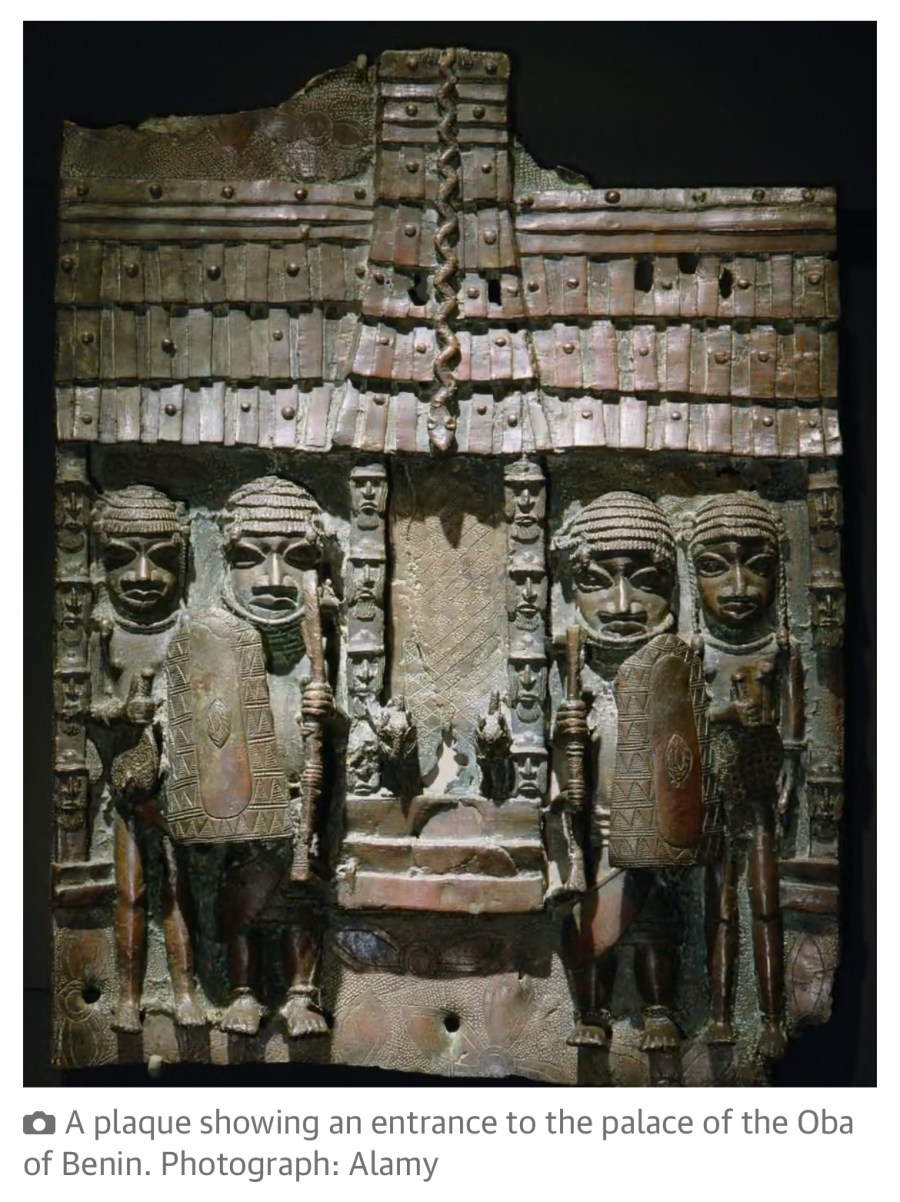
Beforeword: Had you ever heard of the Great Wall of Benin City? Until recently, I hadn’t either. When a friend mentioned it, my curiosity was instantly piqued. Naturally, I did some research. This spoken word poem was born from that journey of learning and reflection.

The Wall They Couldn’t See
They called it a wall—
But it was more
It was science wrapped in soil
It was grit
It was story
A 19,900-mile long ingenuity of a people who carved equations into earth
The Great Wall of Benin City!
Longer than China’s wall
But never longer in textbooks—
because what conquerors don’t understand, they erase
It was the moat—a defense, a design
Dug by Edo hands that understood
symmetry
topography
strategy
The Benin Empire—
One of the oldest, most finely honed states in West Africa
Rising strong since the 11th century
First the Portuguese
Then the British
They saw a city—
Crime-free, clean
Crowned with bronze and carved ivory
A city where honesty lived in the marrow of men
Where streets ran wide like open arms
And governance?
It had a pulse,
steady and wise
Yet …
They looked with blind eyes
Called African brilliance “chaos”
Called African symmetry “primitive”
Because the math we mapped
wasn’t chalked on their boards
They came with fire in their pockets
and hunger in their eyes
Trading for men
And when the loot didn’t come fast enough
They came with cannons
1897
Benin city
A rhythm
A revelation
Burnt to the bone
Stole the art
Stole the gold
Stole the breath
Now …
The Great Wall lies hidden in the Nigerian bushes—
Not gone, but grieving
Not erased, just waiting
Waiting
For tongues to remember
For history to reclaim
For voices to rise like the harmattan red dust and sing:
We were here
We were brilliant
We still are
Because the wall?
The wall was never what they saw
It was what they couldn’t
It was legacy
It was light
It was a people
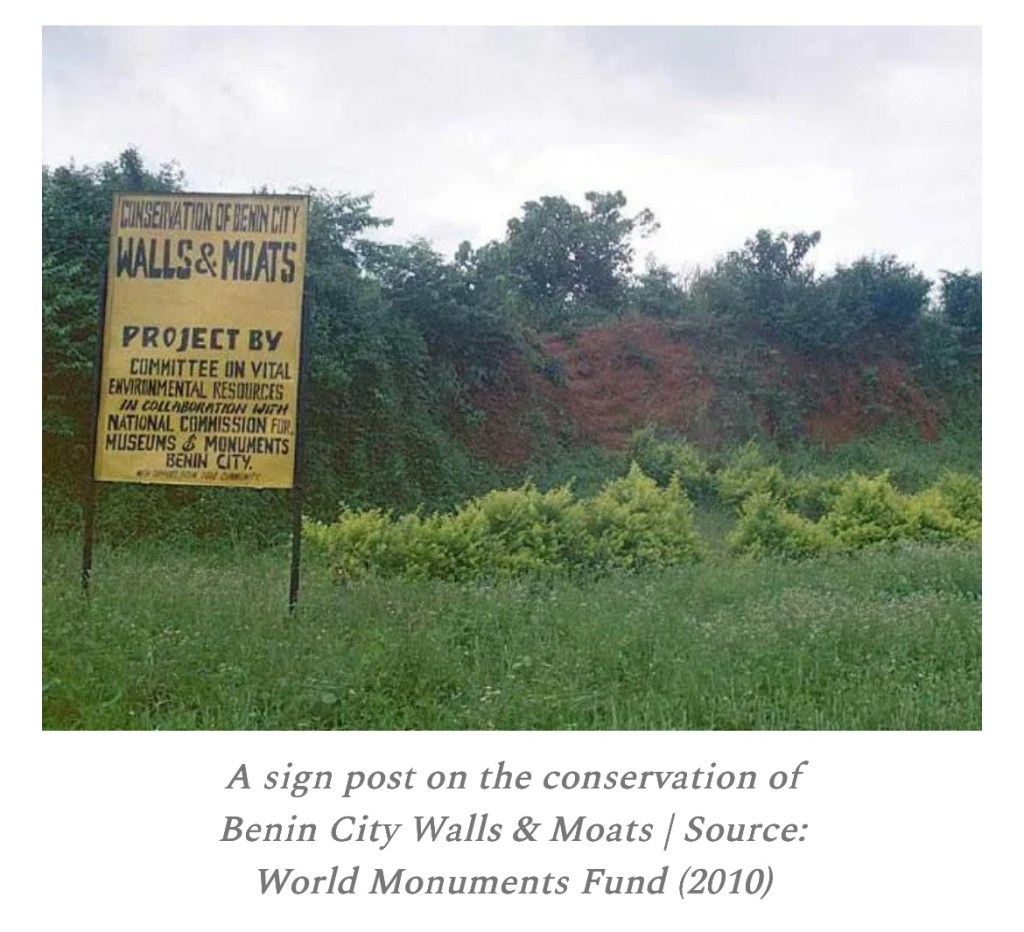
Afterword: Almost 1,000 Benin bronze artifacts—including statues of birds, a warrior‑king, a cockerel (“Okukor”), and a wooden ancestral head—originally looted during the 1897 plunder, have been symbolically returned to the Oba of Benin in Edo State, their ancestral home!
Part 2: “The Return—The Bronzes Speak: Omowale”

Excerpted from The Guardian article: “Story of cities #5: Benin City, the mighty medieval capital now lost without trace”
2025 All Rights Reserved
Like what you see? To never miss a post click HERE👈 to subscribe & follow the blog. There’s more HERE👈 and on Spillwords, the Writers Club, Facebook & Bluesky.
In creative solidarity, Dee
 Poems & More
Pingback: The Return—The Bronzes Speak: “Omawale” ©Dawn Minott – Poems & More
This is so interesting. Very enlightening…
LikeLiked by 1 person
Mission accomplished. I wanted to share this part of history as I was unaware.
LikeLiked by 1 person
I enjoy your posts, positivity is needed.
LikeLiked by 1 person
I always aim to bring hope and positivity through what I share, so it truly means a lot to know that’s coming through. Thank you for taking the time to engage—your feedback reassures me that this space is serving its purpose. #grateful 🙏🏽🌺🙏🏽
LikeLiked by 1 person
The conquerors have wrecked devastation on the land not their own.
LikeLiked by 1 person
Indeed Sadje. A part of reparations should be the full retelling of histories through our school systems.
LikeLiked by 1 person
Very true my friend, but most often the current rulers are busy distorting the history even further. At least that’s the case here.
LikeLiked by 1 person
I was having a similar conversation with someone yesterday. I fully agree Sadje!!!! Sad but true.
LikeLiked by 1 person
🥹🥹🥹
LikeLiked by 1 person
Amazingly, I do remember learning in a history class in middle school about the African empires prior to colonization. What horror greed and cannons have wrought.
LikeLiked by 1 person
There is still so much more to tell—the loss is colossal on so many levels. 😞
LikeLike
Agreed. 🙏🏼
LikeLiked by 1 person
🙏🏽🙏🏽🙏🏽
LikeLike