Before-word: This is a declaration of self-worth—unapologetically claiming space and authenticity in a world that rushes to erase difference. In a time of deliberate pushback against rights, equality, diversity, and inclusion, this piece stands as an affirmation for everyone one who’s marginalized: We are enough. Whole. Complete. We belong. And we are undeniably deserving of the rights that are inherently ours—by virtue of being human.
I am enough! Not almost. Not maybe. Not if only. Not someday. I am already—enough!
I have enough of what I need to be the exceptional me Not a watered-down, shrink-to-fit version But the bold, distinctive, unstoppable me
I am enough! Worthy of love that doesn’t come with conditions Worthy of acceptance that doesn’t ask me to edit myself to fit someone else’s visions
I am enough! Every piece of me—flaws and all—God-stitched Created in brilliance Imperfections sculpted into strength I’m not here to erase or to apologize
I am enough! I won’t fade into the background Or try to fit into someone else’s selfie when I was made to standout in my own spotlight— That’s why I won’t dim my shine
And when the world tries to measure me by numbers, by titles, or by expectations I will remind it:
I am not defined by the weight of opinions or the shifting tides of approval
I am not a sum of my scars a reminder of my mistakes or a static product of my past
I am the story still unfolding the light that keeps shining the melody that won’t fade
I will not apologize for the way my laughter echoes like a song too bold to be silenced or for the way my body, my presence take up room I will not wait for permission to own my voice, to own my space, to own my destiny
I am enough! Enough is not the bare minimum— It is abundance It is power It is truth It is waking up whole even on the days I feel broken It is standing tall even when my knees tremble
So here I stand—out: Unapologetic. Proud. Unshaken. No more proving. No more waiting. No more asking permission.
As I stand As I breathe As I be I am enough—just as I am The effervescent, quintessential Me
This poem is in conversation with Lauren Daigle’s hit song—“You Say” which starts with:
“I keep fighting voices in my mind that say I’m not enough. Every single lie that tells me I will never measure up …”
2025 All Rights Reserved
Designed with Canva
Image credit: Facebook
Beforeword: This piece juxtaposes the human poet alongside the Divine Poet, celebrating creativity as a reflection of God’s own creative nature.
Part I: The poet
In the beginning the poem was without form
It was syntax without logic Vocabulary without voice Punctuation without pause Rhythm without beat Metaphor without meaning Rhyme without reason— It was a scattering of syllables waiting for creative breath
Nothingness hovered over the page Blankness stretched across the paper The quill’s ink laid dormant
Then the poet’s creative breath breathed over the bareness and declared:
“Let there be—poem”
And there was.
The poet gathered wandering words and called them stanza Separated thought from thought and called it line Measured cadence, shaped imagery, wove words into sense, and saw that it was—good
A poem rose from the connecting syllables— A living thing made of letters and rhythm
Part II: Divine Poet
But before the human poet there was the Divine Poet He carved galaxies with His finger, Aligned oceans to their shorelines, Penned mountains into earth’s margins
Then the Divine Poet declared:
“I will create a masterpiece, in my own image”
The poet was His poem— His workmanship His living verses Shaped from dust with His fingers Inscribed His image in clay turned flesh Affixed His signature—Eternal Author, Divine Poet
When chaos covered the deep places of the poet’s soul Where there was emptiness, He composed abundance Where there was brokenness, He crafted beauty Where there was wandering, He authored purpose Where creativity was stunted He penned— Purpose with direction Breath with belonging Gift with calling Heart with home
Without the poet The poem remains unwritten Without the Divine Poet Neither poet or poem would ever have been
Afterword: This poem expresses creation through the voice of a poem that awakens to its own existence. I used the imagery of Genesis 1— from emptiness to expression, where words become living art through the voice of a poet. This piece also draws on Ephesians 2:10—we are God’s workmanship, His poem—a living thing made.
See, the world may worship the flawless But you— You got that wabi-sabi soul. You know… That 15th-century tea house stillness That ancient knowing that says: Let the bowl crack. Let the edge soften. Let the chipped corner remain chipped— It holds memory It holds story It holds truth
You’ve got the AWEdacity To belong To be seen To be— Exactly as you are.
So come Sit with me Take off your mask Unclench your jaw Rest your striving The kettle is humming The tea is steeping The room is still We raise our cups to the in-between, to the impermanence And toast thanks to the imperfect path To a self that is ever-becoming Ever-blooming Never done
Afterword: This piece draws on five poems I previously wrote (each linked above) and inspired by “wabi sabi before I knew of this philosophy.
Born from the quiet rituals of the 15th-century Japanese tea ceremony, wabi-sabi is an aesthetic and philosophy that finds beauty in the imperfect, the impermanent, and the incomplete.
It draws its name from two Japanese words: wabi, evoking simplicity and the elegance of “less is more,” and sabi, which speaks to the passage of time—a gentle melancholy, an appreciation for age and wear.
Wabi-sabi invites us to embrace the fleeting nature of life and to find quiet joy in things that show the passage of time. Cracks, wear, and weathering are not flaws to be hidden, but features to be honored.
Rooted in impermanence, it reminds us that nothing lasts forever, everything changes—and in that change lies profound, enduring beauty.
Have you found that that strong desire to do something that is wrong, unwise, or contrary to principles you hold dear often comes dressed in urgency?
There’s a coaxing, it seems, to seize what gleams in the moment. A sense that pleasure can only be attained if grasped now. Or, that the satisfaction from acting on impulse is worth any cost. But in the heat of desire or quick choices we’re often not able to discern risks that will in the end leave us with scars. And, the old adage rings true—all that glitters is [indeed] not gold.
I once heard Levi Lusko say: “now yells louder, but later lasts longer.” This reminder urges patience over haste. To know that to reap a good harvest of “ripe choices” is a slow process, but the reward is sweet. Much like a forced-ripe mango is never as tasty as one allowed to mature in its fullness on the tree.
In moments when tempted to act in ways contrary to our principles—wait! Waiting is not weakness. Waiting is a quiet strength. It is the courage to pause long enough to discern, to seek light by looking beyond the immediacy to see around the shadows.
heart waits in silence — the way unfolds in stillness vision beyond night.
Beforeword: In recent days, Jamaica has found itself in renewed conversation about the place of Patois/Patwa in national life, sparked by debate over its attempted use in Parliament. The moment reignited discussion—at home and across the diaspora—about language, identity, culture, and belonging.
This piece,“Speak Jamaican”, does not enter that debate. Rather, it pauses to appreciate something the conversation itself reminds us of: that Patwa is deeply woven into the fabric of Jamaican life and culture. This piece is an offering to the story of Patwa.
[Read and listen along]
Speak Jamaican
As a Jamaican living abroad When asked where I’m from an’ me seh: “I’m from Jamaica” Non-Jamaicans are soon to ask me to: “Speak Jamaican!”
Dat usually mean: Dem wan fe ear de melody De lilt—yuh know dat sing-song way dat we talk? De rhythmic roll like poetry pan beat
Dem ear de music But dem nuh feel de fight
Cause when yuh ask mi fi “speak Jamaican” Yuh nah jus ask fi ear de soun Yuh ah ask me fi call pan Mi lineage Mi bloodline Mi people dem Yuh ah ask me fi reclaim me identity, me dignity, me language— Patois (Patwa)!
Patwa a nuh “broken English” It’s a language dat was bawn in bondage Shape pan suga plantations weh African tongues blen wid de colonial Spanish, French, Portuguese, an’ di “Queen’s English”
It was code It was kin It was freedom in syntax It was survival
So when yuh ask me fi “speak Jamaican” Yuh really a ask mi fi channel de powas of dose dat come before me Like Louise Bennett-Coverley—who we lovingly call Miss Lou Who tek de same words weh dem seh wasn’t proppa, an mek dem magic She seh: patwa belang pan di page, pan di stage, an inna de people dem mout Suh, She gi we permission fi talk like weself
But when you seh: “speak Jamaican” Mi know weh yuh really waan fi ear, yuh nuh Yuh waan fe ear: “Wha’gwone?” “Mi irie!” “No problem, mon.” De cute phrase dem De soundbites Yuh nuh really waan fi ear ’bout de istry weh mix wid sweat, blood, bullets, an rebellion Cause yuh nuh undastan seh yuh a ask mi fi talk a language weh carry di istry, di struggle, an di brilliance of a people who neva did wait fi freedom but who tek it
Suh— Yuh ready fi ear bout colonial rule? Bout how we bruk free? Bout de 1950s, early ’60s— De rise of Patwa in book, in band, in beat? Yuh ready fi stan up in de trut, bout how English siddun high pan pedestal while di native language was silenced in classrooms an courtrooms?
An’ who can feget de ’70s— De era when reggae did a com inna its own—saturated wid Patwa, it chant de Jamaican struggle against poverty an social injustices It was de voice of those who lived in de ghettos dat was turned into garrisons De cry gainst dose dat ‘arm de yout dem fi lock dun votes an’ lock dun neighborhoods Where Cold War powers played chess wid people lives An’ in a matta of months, ova 800 dead in di lead-up to a election An still we cyaah feget di cries inna di streets
So when yuh ask mi fi “speak Jamaican” Mi haffi ask yuh back— Yuh ready fi listen? Yuh ready fi feel how dis language carry trauma an triumph, ardship an ope? Yuh ready fi know dat dis language hol’ we togedda— Jamaicans ah yawd, to Jamaicans abroad wid— One tongue One riddim One heart One love
Patwa— A resistance song A blueprint of resilience A living archive of emotions Dis a de voice weh preserve culcha long before wi could a write it dun Wid every phrase a reflection of who we are as a people weh we ah come from an how we still a rise
Suh yeh, mi can “speak Jamaican” But understan— Yuh nah jus get words Yuh a get all ah we— All a we legacy All a we istry An how wi tek back wi voice How wi claim independence— Not just fe we nation But fi weself
Suh, yeh, mi can “speak Jamaican” But, can you hear it?!
Leaning because He is strong Leaning because He is dependable Leaning because He will never let me fall
My Beloved is kind and supportive He never mistakes my leaning for weakness He is my confidante My bona fide The One who always has my back
He is trustworthy He loves me completely fully unconditionally
Even in my wilderness— of wrongdoing of loneliness of wandering of weariness— He is not judgmental
He’s not elusive dodging emotions or distant from my pain— He stays He listens He leans in when I need Him most
He invites me to lean on Him He promises— I will never leave you in the wilderness Come, walk with Me to the place I prepared for you You are My girl
And so I keep coming— Up out of barren places Up out of broken spaces Up leaning on the One who holds me steady
I am my Beloved’s and my Beloved is mine
My heart is safe Safe in His love Safe in His arms Safe in Him
Afterword: Solomon, former King of ancient Israel is the OG of love poetry. Long before playlists, podcasts, or relationship gurus, he was dropping bars on love, longing, devotion, heartbreak, desire, and intimacy. But beneath the romance is something deeper: a portrait of a love that pursues, protects, reassures, and remains—God’s love. This poem is about that love based on Song of Songs 8:5
Beforeword: The muse for this poem was my interaction with a fussy baby girl in the jetway boarding a flight. That interaction reminded me that my greatest joy is found in small things.
I love the way the wind moves through leaves The way sunrise dances across the seas Birdsong breaking the dawn of day Rain tapping rhythms on my window pane
I love the big ripples little pebbles make Snowflakes falling softly on my face The sky’s vibrant colors before day nods goodbye Thunder rolling low across a darkened sky
I love the way small things bring joy A baby’s shy giggle at my peek-a-boo ploy My niece cajoling: “Aunty, let’s dance!” The DJ finding my song, by chance
I love the softer side of nature Low tide breathing slow beside her Cuddly koala bears and star-filled nights Cloud formations dripping in white
I love the small things The quiet joy they bring Things that have no price Small things that pay back, twice
I love The joy Small things Bring
Afterword: The muse for this poem was a beautiful baby girl peeking over her mother’s shoulder, looking squarely at me, tears still staining her cheeks. We were making our way through the jetway onto the plane when I started playing peek-a-boo, hiding my eyes my boarding pass, then peeping out silently mouthing, “peek-a-boo.”
At first, she stayed guarded. Then slowly she softened—a tiny smile, then a giggle, as she tucked her face into the crook of her mother’s neck. That was the moment her mother realized the sudden change in her baby’s mood was the doing of a stranger’s quiet shenanigans.
That small exchange brought me pure joy. It reminded me how often happiness arrives in the simplest moments—unexpected, unpriced, and easy to miss if we are not paying attention.
Beforeword: This is an appreciation poem for one of my pieces, “Aerocene Breath of Life” that led to my nomination as Poet Of the Week. Words stitched together, thoughts shaped into form, then released into the ether—POW! An impact I did not expect, but deeply received.
Words stitched together thoughts pressed into form set afloat in the ether
a web virtual vast interconnected
link to link they travel
until—
found read
POW 💥
a poetic moment that hits grabs stays
and somewhere in the scrolling this one was chosen
Poet Of the Week
Afterword: This is a poem of recognition for David for the various ways he uses his platform to bring poets together and to showcase their work including hosting the W3 prompt which concludes each week with a Poet Of the Week (POW) nomination. And a special shout out to Yvette for choosing my poem—Aerocene: Breath of Life—for the POW nomination.
Beforeword; I had the privilege to visit Mona Museum, in Hobart, Tasmania, which is mostly underground. It has a playful vibe with old and new art. One new art is the muse for this piece—“Breath of Life.”
The art is a complex constellation by Tomás Saraceno called A Thermodynamic Imaginary captured, in part, in my photos below, including one that reflects the images of those observing it, emblematic of the intersection of art and life.
Saraceno’s fragile hand-blown aerial sculptures, mirror reflections, intersections and video projections ask you to imagine a new future: the Aerocene, ‘an era of the air’, a world of solar energy ‘free from carbon and extractivism’, where life and breath are attuned to Earth’s systems rather than at war with them and where anthropocentric entitlement has no place. This is my poetic rendition to this imagined world and in honor of thePalawa people of lutruwita (Tasmania), whose deep and enduring connection to Country—land, waters, skies, and spirit—continues to shape and sustain life.
Breath of Life
New life begins in Aerocene
Where gravity loosens its grip
Humans unlearn the weight of stay
No ownership, only orbit
No engines, only breath
Lungs, rivers, wings
Everything inhales, exhales together
There are no borders here
Equity and equality quells
The hands that clenched too tightly
Nothing is taken
Because nothing is kept
Everything passed
Warm, bright, alive
Humans no longer extract,
But at one with nature
Maps dissolve
Humanity move as shifting kinships
Connecting as one breath
History is a shed skin
Afterword: Also contributing to this week’s W3 hosted by David. The Poet of the Week, Yvette, invites us to create a poem that explores a fictional world in 20 lines.
World unfolds Seven continents Six complete Travel log Australia, birthmonth’s quest Antarctica waits
Pexels.com
Afterword: The world is a globe of borders and of bridges. This birthMONTH I crossed into Australia—and with that step, another continent claimed! Six down, one to go—Antartica is next!
When it comes time for that vacay getaway—whether for a weekend or a month—“check” ✅ sets the journey in motion.
My trip for a weekend getaway to explore yet another part of gorgeous Kenya flowed like this:
Staying in a “surpriseable” frame of mind. Check ✅
Besides the plans you make, every good escape needs room for the unexpected. How else will your inner child come out to play?
Good weather. Check ✅
Imagine the sun peeking over the horizon, meeting soft morning breezes as if ushering in the dawn of a new day. When I’m heading on vacation, I make every effort not to waste any part of the day—so I’m usually on the earliest flight in and close to the latest one out.
Seat selected. Check ✅
Without fail—even when I say I won’t—my trusty iPhone is ready to capture what’s below as the aircraft comes in to land. When you want an unobstructed view of the landscape, a window seat is best. So yes, I’m ready for online check-in the moment it opens.
Mode of transportation for a weekend getaway. Check ✅
This time, a propeller aircraft. Not my preference. But if you want quick and efficient, you bottle up your fears, get onboard, and settle in for the flight.
Dream destination. Check ✅
Imagine wide stretches of white, powdery sand against clear, turquoise-blue water. A “natural mystic blowing through the air,” giving off Bob Marley vibes.
Only, this is not imagination. It’s real.
It’s Diani!
Diani sits on Kenya’s south coast along the Indian Ocean—a short one-hour flight from Nairobi. One of Kenya’s most laid-back coastal escapes. Easy. Unassuming.
Days rise and settle into kaleidoscopic shades of yellow and orange against the horizon’s unending blue. Sunrise beckons a yogi’s sun salute—upward and downward stretches, standing tall in tree pose, letting the break of day center you. And sunsets lull you into a quiet sense of peace at day’s end.
At low tide, the sea recedes so far it reveals unspoilt white sandbanks. Walking these small expanses in the middle of the ocean feels like you’re suspended between water and sky. If “surreal” had a form, this would be it.
Along the beach, you’ll see dhows and glass-bottom boats, catamarans and speedboats, jet skis and canoes. I opted for a glass-bottom boat, having sailed a dhow while in Zanzibar. The beauty of it lies in the surprises it reveals—sea dwellers dashing by. At one point, our guide dives in and reappears beneath the boat, feeding the fish and giving us a closer look at the ocean’s varied life. This time, zebra fish made an appearance.
Starfish—different colors and sizes—dot the seabed, while sea urchins and sea cucumbers remain tucked into the crevices of coral exposed by the receding tide.
The diversity in the ocean is matched on land—flora and fauna varied in form and color—each one drawing out soft exclamations of appreciation.
Mother Nature has been kind to this land. And Diani is not shy about it.
It invites you to chill on its open, calm, spread-out beaches lined with palm trees. Trees that actually give shade—not just an aesthetic backdrop for photos (though the photos are, indeed, spectacular).
It moves at its own unbothered pace. And it nudges you to join in its rhythm—slow walks, ocean breezes, dhow cruises, a stretch into yoga, or simply frolicking in warm ocean water.
Vendors walk the beach, widened by the receding tide, peddling what they have—coconuts, woodcraft, wristbands, even camel rides.
And then it happens.
You find yourself in that in-between space—where you don’t feel rushed to do anything.
And you don’t.
You comply.
You do nothing… just chill.
And somewhere in that stillness, you find exactly what you didn’t know you needed.
She called it confusion. Bad timing. Even blamed the stars for not being aligned, and created stories to cushion its impact so it wouldn’t sting as much.
When he showed up, he showed up just enough—texting late, calling when it suited him, ghosting then slipping back in like nothing changed, a dismissal of the shift. And every time, she let him.
Because part of her believed that inconsistency meant he was figuring things out.
It took longer than she’d like to admit to see it clearly: there was nothing to figure out; he wasn’t undecided.
He had a long time ago decided.
He just hadn’t said it out loud.
His silence did the work for him, though.
His distance spoke.
His patterns repeated.
He kept the door open, not to walk through it fully, but to make sure it stayed unlocked—for him.
Access without accountability.
And she had been handing him the key, over and over, no questions asked.
One night, sitting with that truth, she asked herself something she could no longer avoid:
Jersey, are you really going to keep giving access to someone who isn’t choosing you?
The question landed heavier than anything he had ever said.
Because this time, it wasn’t about him.
It was about what she was allowing.
And for the first time, she understood—he could only stay as long as she kept the door open.
Afterword: I haven’t done an R&B collab in a while. This song, “Trust My Lonely”, by Canadian singer-songwriter Alessia Cara, was the nudge that brought me back. A shorter version, using the Cameo form, was published earlier.
Lyrics
It’s time I let you go I made the mistake go writing your name on my heart ‘Cause your colours showed But it was too late, you left me stained, called it art
Do you crave control? I’ve been your doll, that you poke for fun too long So you should go Don’t look back, I won’t come back Can’t do that no more
Go get your praise from someone else You did a number on my health My world is brighter by itself And I can do better, do better You and I were swayin’ on the ropes I found my footing my own I’m a-okay, I’m good as gold And I can do better, do better alone Alone, alone
There ain’t no love ’round here I loved you once, but it made me dumb Now I’m seeing it way too clear You hurt me numb, and for that I’ve run out of time To have pain to feel (Pain to feel) I’ve been your game Just taking the blame for too long Get on out of here Don’t look back, I won’t come back Can’t do that no more
Don’t you know that you’re bad for me? I gotta trust my lonely …
Beforeword: I was born on a Tuesday. 2026, this is the seventh time April 14 lands on a Tuesday since my birth. Seven—full, complete, alignment. The next alignment will be in 2037.
So, today, I return to the beginning—the history that led to my existence through the voice of my mom, through her memory of that day. A day shaped by my birth, as well as the weight of what was happening in the world beyond her. Though we are on opposite sides of the globe today—at 7:38 AM EST on the day of my birth, we met each other for the very first time—me and my mom! This poem draws us back into that moment.
Dawn Rising: A Birth in the Beat of Change [my mom’s poem]
It’s the early dawn on a Tuesday, the 14th day of April I check into the maternity ward of the country’s teaching hospital The pain still mild, the morning humid The nurse at my side doesn’t just comfort— She prays over me, over you, because the world you were entering needed warriors wrapped in prayer
Before you took your first breath outside the cocoon of my womb You were covered in a shield of faith— Because in these times, prayer wasn’t a ritual, It was survival, it was prophecy
Around us, Jamaica’s streets rumbled with unrest Voices rose demanding land, work, dignity The poor cried out for a share of the promise of independence— Government struggled to calm the storm While reggae’s heartbeat began its rise Giving rhythm to resistance Giving melody to the march for equal rights
I fought my own war through contractions crashing like waves. Gripping the bed rails with a mother’s resolve— Knowing that you, my child, were coming into a world Aching for justice Hungry for change
The doctor’s hands caught you at 7:38, as dawn broke the horizon And it was as if Heaven whispered: Dawn is here You cried, fierce and new Your voice piercing the stillness with the song of beginnings
And so you entered this world poised and prayed up To be MAD—to: Make A Difference!
Born in times that shaped you to be A crusader for justice A champion of equal rights For reggae itself was rising as the sound of the people Beating in time with your tiny heart Promising you’d never forget where you came from:
A dawn of hope A dawn of change A dawn of possibility
Beforeword: Modern science has long challenged Plato’s claim that the heart is the seat of emotion, placing that role firmly in the brain. Still, the heart endures—across cultures and centuries—as the language of love, compassion, and connection.
In “The Art of Love” (Ars Amatoria), Ovid reminds us that “love is ruled by art.” In this poem I lean into that idea imagining heART not as a physical organ but a creative space. And, a description of love as both something we feel and something we create, shape, and live from the heART.
the heART of love
The soul is the gallery of emotions Love is its art, painting connections The canvas of life, a beating heart Each beat creating a timeless art
Whether brushstrokes of joy, hues of pain Colors of sunshine, or droplets of rain Through every emotion, a masterpiece grows A portrait of love in its highs and its lows
Love is the sculptor, it shapes the clay Molding our lives, a masterpiece on display With hands of compassion carving each line Etching life’s stories, connected, intertwined
In the dark of night or the light of day Love is the rhythm that guides our way Each stanza follows the chorus of dreams Unfolding life’s songs in symphonic streams
The heart is the canvas, each beat a stroke Painting the moments emotions evoke Shades of passion, a palette mix of colors Love painting life’s journey from winter to summers
Heart beats love, a timeless art A rhythm pulsating, art to heart Souls displayed in life’s gallery sublime In love, the masterpiece of the Divine
Beforeword: This is Easter weekend, when Christians remember the life, sacrifice, and resurrection of Jesus Christ. The story does not begin at the cross. It begins with a humble birth and unfolds through a life spent teaching, healing, and showing the world another way to love.
This poem traces that journey—from cradle to cross—and the path that led to the hill called Calvary. It is the poetic-story of the Man on the middle cross.
Born to a humble girl named Mary And raised by the carpenter Joseph Laid in a manger in Bethlehem A cradle made from straw instead of gold
A child who puzzled scholars in the temple Speaking truth beyond his years While elders listened in quiet amazement To the wisdom of a boy
He walked dusty roads telling simple stories Seeds, vineyards, lamps, lost coins Turning everyday life into lessons On mercy, faith, and the kingdom of heaven
He sat with fishermen and tax collectors Touched lepers others failed to see He called the poor and the broken “blessed” And made the last feel first
He opened blinded eyes and lifted bent backs Spoke peace to storms and demons alike Where despair had taken root Hope began to breathe again
He overturned tables in sacred halls Questioned the pride of priests and rulers Teaching that love of neighbor Was greater than ritual or rank
And there he hung between two thieves On a hill called Calvary The Man who healed the world now crucified The Man on the middle cross
Beforeword: It’s been a while since I shared a Shabbat Shalom post, so I’m returning with this piece—“The OG!”
“OG,” short for Original Gangster, traces back to 1970s Los Angeles gang culture, but its meaning has widened. Today, it points to a founder, an originator, someone who sets the standard and earns respect. As the dictionary puts it: someone or something that is an original—an originator, especially one held in high regard.
This piece plays on that idea—with a holy twist.Listen and read along:
The OG!
The OG don’t knock. It kicks in doors that lock up your blessings Hops the fence of your past and repossesses your future Tags every wall of your history with one word— forgiven
The OG lifts the weight off your neck that guilt tried to chain there It steps in the street between you and judgment and tells death sentence: stand down!
The OG snatches shame before it can speak your name. It rolls up on fear’s corner and shuts the whole block down Pulls you out the alley of regret Brushes off your soul like dust on a jacket
The OG don’t check your record first It moves first Flips the script Claims the territory your mistakes tried to ruin
You thought mercy was soft?
But watch the moves:
Doors kicked in. Chains broken. Records cleared. Future reclaimed.
That’s the work of the OG—
Original Gangster? No Original Grace!
Shabbat shalom. May the God of peace also covers you with grace unending.
Just in time for my birthMONTH, Spillwords published my poem, “You”. Grateful to Dagmara, Chief Editor, and the editorial team for selecting this piece.
I’m intentionally making my way through Kenya. Trying to experience as much of this vast land as I can.
Today—Tigoni.
Why Tigoni?! A friend took me for a drive and to spend time at an organic farmers market.
Tigoni is northwest of Nairobi, in the highlands of Kiambu County. You pass Ruaka—a very busy built‑up spot with lots of shops, stalls and traffic—before the road gets more rural and heads up toward Tigoni.
In just about twenty or so minutes outside of Nairobi you start to feel the shift: quieter, greener, and noticeably fresher and lighter than the city. My lungs got a proper fill.
We are now surrounded by tea farms and open countryside.
Once we got out of the car, I moved slowly through it all. Soaking it all in:
Fresh juices that taste exactly like the fruit they’re made from, no additives.
A farm-to-table meal that didn’t need any dressing up.
I picked up a bouquet because it contained my favorite flower—the calla lily—and because it looked like it belonged in a painting.
At some point, the cutest baby girl wandered over, carrot in one hand, reaching for my bouquet with the other. She stopped munching on her carrot, and leaned in to smell the flowers in my hands, completely locked in. Be still my heart. That was an unguarded moment, one that will stay with me.
There was live music.
The singer greeted us as we walked by the tent and explained that she’ll restart singing soon.
After complementing her beautiful kaftan I asked what genres she sings—among them she listed … you guessed it …reggae! Now, hear the clincher, her surname is Reggae. You can’t make this stuff up!!! Some would say the universe was aligning. I say, that was a God-moment.
As we milled about, iconic Bob Marley songs wove themselves through the tea leaves and drew me to the white tent, where Ms. Reggae was doing the reggae!
I spread the kanga (also called leso)—Kenya’s colorful cotton fabric—and joined others sprawled out on the grass, just being.
No rush. “…Don’t worry about a thing…” melodically sung while Ms. Reggae lovingly cuddles her daughter and I couldn’t help but join in, making it a sing-along:
My ultimate find of the day was a handmade mango butter body moisturizer. I asked the shop owner skeptically: “Mango has butter?!” To which she gladly informed it’s in the seed and went on to describe how she makes it—the end product whipped, soft, almost like cream. It smells divine, and it lingers.
Now, not only do I get to eat one of my favourite fruits, I get to wear it too. My skin’s still holding onto it, smooth and hydrated. (I know what will be in Christmas stockings this year! 😆)
As if the vast spread of greenery all around wasn’t enough, somewhere behind it all, a waterfall—you don’t quite see it, but you hear it, steady and soft, like a backdrop Mother Nature threw in just because she could!
Nothing dramatic about the day. But it felt full. The kind of full that comes from slowing down enough to actually notice where you are.
This Cameo form poem [7 lines; syllable count: 2 / 5 / 8 / 3 / 8 / 7 / 2] is drawn from a short story of the same title, written in response to this week’s W3 challenge andOLN at d’Verse.
Beforeword: Each year on March 25 the UN recognizes “International Day of Remembrance of the Victims of Slavery & the Transatlantic Slave Trade”. This year’s theme, Justice in Action, calls on the global community to confront this history with honesty and to acknowledge its enduring impact. This is my tribute poem.
On this day we name the past, refuse to turn away A brutal, shameful history we’re called to face today Not only grief, but action too must rise from what we see For echoes of that suffering still shape humanity
Across the seas, in chains they bore what none should have to bear A system built on stolen lives, on violence and despair It carved the lines of race we know, still visible and deep A legacy of injustice the present world must keep
This day is not just memory, not bound to what has been It lives within our current fight, in systems still unseen To remember is to challenge all that remains that’s wrong To raise our voices, stand aligned, unyielding, firm, and strong
We honor those who suffered, those who dared resist By working toward a world where equity and equality exist Let justice be our answer, let truth our guiding light Remembering the past to confront, and racism to fight
“Ballet students, Tembisa, South Africa” A photo of two 5-year-old ballet students posing outside a dance academy in Tembisa, South Africa [photographer unknown]
Parched ground beneath they bow into shared silence learning each other
Heels pressed together Cracked pavement holding shadow still, they hold their shape
Delicate tutus Hands clasping, feet turning out Excellence starts here
Afterword: I came across this photo of these two young ballerinas. The contrast—their softness against concrete, their care in the pose—pulled me in, asking to be translated into another form: poetry.
Have you ever heard a cow mooed in the wee hours of the morn, that low rumble rolling through dawn’s stillness, before the sun disappears the night sky?
Have you ever walked past Maasai herdsmen, red shukas dotting landscape’s green, their cattle answering only to rungu’s sway?
Have you ever locked eyes with a baboon, a baby wedged in tight while she leaps and runs and feeds?
Have you ever seen a lioness frolic with her cubs, letting them tumble over her body, teaching them survival dressed up as play?
Have you ever stood still while elephants trample grass, felt the ground rumble in low tremors, watched a matriarch trudging along, alone, as if waiting for life’s end?
Have you ever noticed cattle egrets clinging to elephants’ backs, white against grey, small beside massive, yet moving in symbiotic agreement?
Have you ever heard the crowned crane sing in unison, nature’s orchestra on the open plains on long legs lifting seamlessly through marsh?
Have you ever seen impala startled by hyena, leap— body suspended mid-air, as if gravity paused in step with fear?
Have you ever realized, somewhere between dawn’s moo and dusk’s shadows, that a safari is not about sighting— but about scale?
Have you ever felt yourself shrink in the vastness of the wide sky, small beneath the Kilimanjaro, grateful the wild needs no permission to perform?
I have stood in that open vastness, reconnected to the magnificence of nature something in me answered back to the call of the savanna
Wise in the way you guided me, your younger brother— a teacher in tone and standard, yet never softer with me than with anyone else
In my life you stood steady, not just sister but confidante, walking beside me through years and seasons
No birthday slipped past your memory— You marked each one like it mattered
Never afraid to correct, a disciplinarian who believed love should have structure
In every action, in every plan, order lived— you prepared to the last detail
Faith was not an accessory; you lived for your church, showing up, serving, staying
Rooted in God, dedicated, steady in belief
Earth has released you now, but heaven knows you finished the course
Done with labor, your reward kept secure— stored where neither time nor sorrow can touch nor moth destroy
This piece was commissioned to be a brother’s tribute to his sister’s life. He wanted it to be a celebration of her life by focusing on her name so I used an acrostic poem. Sharing it as an addition to dVerse- MTB, hosted by Kim: to write an acrostic name poem.
Never allow someone to be your priority while allowing yourself to be their option.
— Mark Twain
The longer you fight The longer lies masquerade as hope Empty promises sound like plans Deceit manipulates you
The longer you stay The more you shrink Massaging truth to explain silence Mistaking absence for relationship
The longer you wait The more you erase Your needs Your voice Your worth
The longer you hope The more you ignore What actions have been spelling out in bold
The longer you fight The longer your heart beats pain The clearer it becomes: you’re at war—alone
And love— Love was never meant To feel like survival
So you stop
Not because you don’t love But because You are no longer willing to abandon yourself to prove it
Afterword: Time and emotional energy run out. They are not endless. So where you place them matters. Pouring into what pours back builds something. But, giving all of yourself to what won’t choose you only leaves you empty.
I’ve always been a lover of nature—now it practically sits at my doorstep. What once took planning, traffic, and intention now meets me effortlessly. There’s a kind of healing I’m experiencing in this shift. The quiet here settles in a different way. In other places quiet was something I’d go looking for—here, in Kenya, the quiet finds you.
Contrasting this to the last place I lived—New York City—where nature felt negotiated. Central Park and Bryant Park were two of my nature chill spots. But one cannot escape the reality that they are framed by steel and concrete, that silence is interjected by sirens, and the sky is viewed through the framing of high rise buildings. The city made every effort to ensure nature had its place, but it was contained. You visited it. You scheduled it. You left it behind.
Here in Kenya you’re surrounded by nature. I live in the city, Nairobi, yet nature is not on the sidelines I only need look beyond my patio to cows grazing in a meadow.
Nature stretches wide across the land, unbothered, uncontained. From the vastness of the savannah to the bespoke authority of the mountains, nature just IS. And somewhere in this transition from the city that never sleeps to one that lulls your senses into calm, something in me loosens, unclenches, exhales.
Photos by me: Amboseli & Nairobi Parks, Giraffe Center
A weekend drive can take you into the heart of Maasai Mara, the horizon seems to stretch on endlessly. Or to Amboseli National Park, where gentle giant elephants roam and playful lion cubs romp beneath the shadow of Kilimanjaro. And you feel present in nature.
Snow-capped Mount Kilimanjaro, photo taken by me while on a safari drive through Amboseli National Park
But Kenya isn’t only nature, it’s what I’d also describe as being “layered”.
Nairobi has its own city qualms but moves to a different kind of energy. The art scene is alive—galleries, street art, design studios—and fashion tells stories in bold color, texture, and form.
There’s a confidence in the creativity I’m seeing here meaning it’s not an imitation, it knows intuitively what it is.
The pace of life also demands something different. Or maybe it offers it.
Work is still work—I still work hard and work long hours but it doesn’t consume in the same way. There’s an unspoken insistence on balance. You feel it in how people gather, how they pause, how they step away. It forces me to let go the grind mentality and to recalibrate what urgency really means and what’s to be prioritized.
And then there’s the contrast that keeps surprising me—the topography itself. Vast savannahs that stretch into forever, then a shift, and suddenly you’re met with coastline—warm waters and soft sand along the Indian Ocean. I’m slowly coming to learn that this country doesn’t settle into one identity, it’s too vast and diverse for that.
What I didn’t expect, though, was the familiarity.
I find when I say I’m from Jamaica, Kenyans light up. Almost immediately they go to reggae. The rhythm of reggae floats easily here. It’s not unusual to hear it in the gym as I work out or its beats blaring out of matatus (minibuses) zipping by on the roadways.
Jamaica-culture inspired minibuses (matatus or nganya) on the streets in Nairobi (complete with Jamaican flag waving in the wind)
And Jamaica is well known and embraced. It’s the music, the culture, the energy—it lives here in a way that feels genuine. And for me, that lands deeper than I anticipated. There’s something about hearing those sounds, seeing that appreciation, that makes me feel at home in a place that is still new.
Wanted.
Recognized.
Connected.
That’s a feeling that can’t be beat.
Moving to Kenya was first a change in geography and since I’ve been here it continues to be a shift in how I experience space, time, and even myself.
Even now as I write this piece, I can hear birds outside my window serenading the break of dawn, ushering in the new day with nature’s tweets. It feels like the wild outside has found its way inward—quietly restoring, gently rebalancing.
Beforeword: The “glass ceiling”, was coined by Management consultant Marilyn Loden in 1978. It symbolizes the invisible barriers that hinder women and marginalized groups from advancing in their careers.
The thing about “glass ceiling” when smashed is that the shards don’t vanish— they fall Sharp, jagged, relentless, raining down like a warning, like a punishment for daring to rise
Falling glass cuts deep— Patriarchy, splintered but still clawing Violence, turning freedom into something fragile Laws, binding instead of breaking chains Norms, polished smooth but when harmful they wound Root causes slicing through progress turning triumphs into scars Rights into relics Hard won gains into loss Reproductive rights overturned— choices stripped, voices silenced, autonomy reduced to a battlefield where laws are weapons, and women’s bodies contested spaces
But how does the ceiling hold? It’s not chains you can see, not walls you can touch— It’s an unspoken limit, the silent “no” It’s underrepresentation dressed as “not the right fit” It’s the weight of pay gaps The care work not paid The lock on leadership doors The promotions that never come no matter how qualified or how high women climb
They say, “You’ve come so far” But they don’t mention the cracks beneath our feet The unequal shifting ground The backlash waiting at every turn Every step forward risks another wound, another push back, another war to fight—again
The thing about glass— It was never meant to be a cage Meant for clarity, yet it distorts, letting light in but keeping power out
The thing about ceiling— It was never meant to hold in Meant to shelter, yet it confines, holding dreams beneath its weight
So, like Maya Angelou, women—we rise! Not just breaking, but building Not just shattering, but shaping Hands wrapped in armor, feet steady on the dust Helmets on, hearts fierce, forging new foundations Until the sky stretches wide, and the only thing above us— is rights, equality, justice
IWD is a worldwide day of activism, celebrating achievements while continuing the fight for women’s rights.
IWD began in the early 1900s as a movement for women’s labor rights, better working conditions, and suffrage. But the first milestone in US was much earlier – in 1848. Indignant over women being barred from speaking at an anti-slavery convention, Americans Elizabeth Cady Stanton and Lucretia Mott started the US first women’s rights convention in New York. Inspired by protests in New York, socialist activist Clara Zetkin proposed an annual Women’s Day in 1910, leading to the first official IWD on March 19, 1911, in several European countries.The 8 March date was chosen after Russian women demanded “bread and peace” during a war-time strike in 1917.
Black History Month — 100 Years Theme: A Century of Black History Commemorations
It started as a week, quiet but determined A steadfast commitment to keep memory alive In the stories carried by teachers, parents, preachers On the wings of “good trouble” when the fight is needed It started as a week, quiet but determined From 1926 to 2026, black history kept moving A century marking time with names, faces Experiences that became presence When derided, learned how to go high It started as a week, quiet but determined.
Reggae Month — Jamaica Theme: Rhythms of Resilience
This music rose from survival, not trend From yards, sound systems, everyday struggle Lyrics telling truth before it was safe Bass line steady as the voices that hummed it This music rose from survival, not trend By 2008, the world was already listening— to justice wrapped in melody to culture feeding both soul and economy Reggae still teaches us how to endure This music rose from survival, not trend
Beforeword: “Koi no yokan” is a Japanese phrase that translates to “premonition of love,” describing the feeling of meeting someone for the first time and intuitively knowing that you will inevitably fall in love with them in the future. It differs from love at first sight because it’s not about the love happening at that instant, but a certainty about love that is yet to come.
This was not love at first sight
When we first met my heart didn’t skip a beat my breath didn’t catch in my throat It exhaled like it had been held for years and didn’t know why It was like meeting someone and feeling the future in a knowing way Like feeling the rain will fall before it does
We spoke of ordinary things— weather, work, tea versus coffee We laughed easily We communicated in the silence as if somewhere inside we knew our spirit had leaned into each other and whispered, “This one”
No fireworks— It started way quieter than that No falling It started safer than that Slow Certain with inevitability Just knowing
And now— on a day dressed in red and roses— I don’t celebrate a spark I celebrate that quiet certainty That gentle, steady pull that brought us here without noise without fear without doubt
I grew up when reggae was finding its roots When reggae was suspect When Rasta meant trouble When dreadlocks closed doors and the music was blamed for what the country didn’t want to face
Flashback—seventies Jamaica Transistor radios balanced on window sills Needles dropping on scratched vinyl while elders shook their heads: “Turn down dat” “Change de station” “Dat a no music”
Reggae wasn’t welcomed then It was scrutinized, watched Dreadlocks meant no job, no classroom Rastas crossing the street to avoid harassment Church sermons thick with warning Babylon named, not understood as Rasta knew it—as rebellion not revelation
Sound systems told a different story Speaker boxes stacked like monuments Bass ricocheting off zinc fences Beats thumping through yards where truth was louder than fear Reggae carried news The sentiments of a people in the struggle Stories the national newspaper wouldn’t headline
It survived on borrowed amps on spiritualism and repetition on voices that refused to be silent: Toots and the Maytals helped to name the genre: “Do the Reggay,” Toots said in 1968 The Wailers—Bob Marley, Peter Tosh, Bunny Wailer—grounded reggae in social reality and Rastafarian thought Then came Jimmy Cliff, preparing global audiences for reggae
Now look—
The same music once dismissed is Jamaica’s loudest ambassador The same rhythms once scorned now open world stages Reggae feeds families Fuels festivals Artists across the world build careers on this foundation— our basslines under their success, our cadence shaping their sound
Some cite the source Some remix and rename it But the root remains— Reggae. Jamaica.
So Reggae Month is a pause to remember how we once doubted our own voice and how that voice went on to teach the world how to listen
A four-part birthday tribute to the Legend and in honor of Reggae Month 2026
(6 February 1945 – 11 May 1981)
PART I: BEFORE THE ICON
Before the T-shirts Before the flags dangled in dorm rooms Before the word legend softened the edges There was a yard Tin roofs Shanty houses Bare feet kicking soccer ball Musicians learning rhythm from dust
Reggae wasn’t a product yet Bob arrived as a witness One more voice from Trench Town saying: This is what hunger sounds like This is how hope stays alive
PART II: THE MESSAGE
People like to say the music was about love That’s only one side of it
Love, yes—but, It was A love that argued back A love that named Babylon—the system of oppression A love that would not let leadership lapse into amnesia A love that challenged power, challenged politicians, that made comfort uneasy
“Is this love that I’m feeling, or is this the love that I’ve been dreaming of?”
When bullets came for him, they weren’t confused They knew the danger of a man who could move crowds without running for office
Bob didn’t claim politics Politics claimed him
PART III: WHEN JAMAICA SPOKE TO THE WORLD
Through Bob, a small island stopped whispering Suddenly, Jamaica wasn’t just a place on a map— it was a position A voice in the hallowed halls of the United Nations Denouncing apartheid Reggae crossed borders South Africa heard it Rhodesia heard it as Marley’s liberation song “Zimbabwe” ushered in independence Reggae in the hands of Bob— Protest learned melody Redemption was song Philosophy you could dance to People who had never seen Jamaica felt understood by it
Bob didn’t market He transmitted
PART IV: THE COST OF IMMORTALITY
Now he is everywhere Often reduced to smoke and slogans Stripped of context Sold back to descendants of struggle as lifestyle
But listen closely— the songs still resist simplification They still ask hard questions: “How long shall they kill our prophets, while we stand aside and look?” They still refuse silence: “Get up, stand up: stand up for your rights.” They still carry the unfinished work: “Open your eyes and look within, are you satisfied with the life you’re living?”
Legacy Legend isn’t comfort it’s responsibility Bob Marley was never asking to be worshipped He was asking: Who will carry this next?
I was walking past a pole one day, when a list caught my eye. I read it aloud, quietly unsure— testing the moment in time.
A voice answered, close and clear, as breath behind my ear: “Take what you need.” I turned. No one there. I was caught in that moment, still.
The list—simple, yet profound. “Take what you need,” it said again, no pause, no hesitating. What you take for you will go outward, to mend the world’s broken pieces.
So I started with love. Then hope. Courage came next— because each day the world seems to need all three without shortage.
Love to mend the brokenhearted. Peace that quiets unrest and war. Courage strong enough to choose what’s right, no matter the cost.
As I held them, something shifted: The atmosphere leaned in, the air, the weight of things lightened.
With urgency I reached for luck, brief in its moment, manifesting its alignment with divine unfolding.
Money—I took with caution, knowing its seductive power to destroy. To be used not for excess, but to level the ground: no empty hands, no divided lives, only dignity in our humanity shared.
And passion— I grabbed with fervor, that fire to keep us faithful to destiny, our purposeful calling fulfilling.
Happiness was last on the list. But I left it right there, for it was already in abundance I could see it everywhere— falling like light, changing us all.
Oh what a dream! Oh could this be? “Take what you need”— a list for all the world to heal.
Dr. Martin Luther King, Jr. didn’t choose comfort. He chose the slow, costly work of justice, knowing resistance would be fierce and progress uneven. He understood that intimidation and discrimination aren’t accidents—they’re tools meant to diminish resolve. This explains why his response was to be persistent.
Honoring Dr. King means resisting the urge to romanticize the past and instead committing to the unfinished work in front of us—justice, equity and equality!
The word I chose as my ‘north star’ for 2025 was HOPE. Little did I know that the shifts in the global health architecture would test what I thought hope meant.
Hope showed up as restraint, as holding ground when the ground was shifting.
Budgets shrank, systems cracked, and innovation was rebranded as survival. Gender equality was not celebrated; it was defended. Holding the line became the work. And climate shocks made this uneven—hitting small islands hardest: livelihoods washed away, unpaid care multiplied, choices narrowed. Still, the line held.
We learned that keeping the door for a clinic from closing can be as hard as opening one. Partners asked what was new, and the truest answer felt almost defiant: we stayed. We protected what women and girls already fought for. We held the line—not because it was easy or visible, but because retreat would cost too much. That’s where hope lived—in the dogged refusal to undo progress, in the daily choice to guard sexual reproductive health and rights when attention moved elsewhere.
This was not loud hope. It was working hope. Throughout 2025 hope carried on as a quiet expectation that progress, though slowed, was still possible.
And, as we stand on the cusp of 2026—for gender equality, for sexual and reproductive health and rights, for bodily autonomy and dignity; from conflict-affected and climate-exposed communities to the frontlines where women’s bodies remain contested terrain:
Let hope stand its ground Without banners or applause Possibility
2026 All Rights Reserved
Photo by Absalom Robinson on Pexels.com
At the beginning of this new year, I reflected on how that word shaped this blog over the past year—because what I write here is always shaped by the world around me and the one within me. From this reflection I came to see how hope was threaded through the themes of the blog—life, relationships, nature, inner growth, and resilience:
1. Personal voice as witness
This blog exists as a platform to speak my truth—to give voice to what I observe and experience. That choice in 2025 was a metaphor for hope: not loud, but intentional and present.
2. Creative expression as survival
Over the year I saw that creativity was less about expression and more about survival—a way to stay present when the days felt heavy and the world unsteady. And, hope appeared throughout the posts almost as writing itself—as a way to endure, to make sense of the disruptions and shifts of 2025.
3. Nature as mirror
In several posts I reflected on what nature kept teaching me—that hope is not urgency, but patience. Rain arrived without apology. Gardens grew on their own timelines. Slow seasons lingered. Quiet days endured. And I captured these shifts in poetry and prose.
4. Resilience in real life
Through poems like “Jamaica Strong” and “A Prayer for Jamaica,” I shared about the devastation of Hurricane Melissa on Jamaica in ways that moved beyond documenting an event. My poems spoke to the emotional toll carried by a nation and its diaspora. They embodied endurance, rebuilding, but more so hope rooted in community and persistence after loss.
5. Inner work as outer change
Reflections captured in poems like “Your Future Is Starving For You” and “Echoes of A Silent City” I was able to show how internal transformation and curiosity are acts of hope—belief in growth even when circumstances stagnate.
6. Memory and renewal
Posts about memory (i.e. “The Taste of Memory” and rest (i.e. “Travelogue: La Quinta, A Retreat for the Soul”) spoke to hope as reconnection to self, to God, to what lasts beyond chaos.
7. Relationship themes
In posts after posts I realize that I repeatedly go to love, timing, silence, and intimacy to inform my work. In 2025 these became markers of hope lived between humans—not in abstraction, but as intentional interpersonal choices.
8. Prayer and spiritual grounding
Prayer has always been my mainstay. So undoubtedly there’d be prayer-centered posts. These posts placed hope in the spiritual—trust, surrender, praise—not as fantasy but as anchor when the world felt unstable.
In looking back on the posts of 2025, one thing became clear: hope was not written to promise ease. It was written to ask for attention. That may not have been my intention, but I showed up again and again—pen in hand, heart open—trusting that small acts of meaning still mattered.
Now we are in a new year. My word for 2026 is FORGET. It comes from the first verse I read in the Bible (using the App YouVersion) on the first day of the year; and, it also happens to be one of my favorite verses:
Happy New Year, WordPress fam!
Here’s praying for a year that brings newness to the places of your life where you need to forget the former things that stole your joy.
Beforeword: In the wake of Hurricane Melissa, as Jamaica grieves and rebuilds, a renewed sense of patriotism has emerged. In moments of devastation, we are often drawn back to the strength that has carried the island through its darkest hours. It is in this spirit of reflection that I return to the story of Samuel Sharpe and the Christmas Rebellion of 1831.
Guided by faith and influenced by the growing abolitionist movement, Sharpe—a Baptist deacon—organized what was to be a peaceful strike on Christmas Day, demanding freedom and fair wages. At the time, Jamaica essentially functioned as a single vast plantation under British rule, sustained by the labor of an enslaved majority. What began as nonviolent resistance soon ignited into the largest slave rebellion in the British West Indies—an uprising born of courage, faith, and an unyielding demand for freedom—the same resilient spirit that continues to drive Jamaica to rebuild, endure, and rise again in the aftermath of Hurricane Melissa.
A Dectina Refrain
When Sam Sharpe Rose that day In Jamaica Revolution birthed Christmas strike sought wages Plantations burned, peace was lost Sixty thousand enslaved rose—armed Hanged, yet named National hero When Sam Sharpe rose that day in Jamaica
Beforeword: This spoken-word tribute celebrates the life and legacy of Jimmy Cliff, one of Jamaica’s most iconic voices. As a cento, it is crafted entirely from Cliff’s own lyrics but stitched together as both a celebration of his life and a rallying cry for hope and resilience for Jamaica’s recovery from Hurricane Melissa.
I can see clearly now the rain is gone, I can see all obstacles in my way. The dark clouds that had me blind, they’re gone I feel the sun returning to shine.
Take a look at the world, See the state it’s in today. I am sure you’ll agree We all could make it a better way, If we put our love together.
Man and woman, girl and boy, Let us try to give a helping hand— Lift each other up. Between the day you’re born and when you die, They never seem to hear even your cry. I’d rather be a free man in my grave, Than living as a puppet or a slave. The bigger they come, the harder they fall, one and all.
We still have—
Many rivers to cross, When you can’t seem to find the way over, Keep moving, as you travel along, your will keeps you alive
For— You can get it if you really want, If you try, try and try, try and try. You’ll succeed at last.
Afterword: I used 5 of his most popular and “truth-to-power” songs:
I Can See Clearly Now — A bright, optimistic anthem about overcoming obstacles and finally seeing hope after hard times.
The Harder They Come — A gritty, defiant song about struggle, resistance, and standing your ground against oppression. The movie, by the same name, brought reggae beyond Jamaica to a global audience.
Many Rivers to Cross — A deeply soulful reflection on hardship, loneliness, and the long journey toward freedom and peace.
You Can Get It If You Really Want — An encouraging, motivational tune about perseverance and believing in yourself despite setbacks.
Wonderful World, Beautiful People — A joyful celebration of love, unity, and the beauty of humanity set to infectious reggae grooves.
Rest in Peace & Power Jimmy Cliff. May your soul cross the river to its resting place.
2025 All Rights Reserved
Designed with Canva
Images by Pexels
I’ve been quiet here, not from lack of words, but because life shifted fast and hard. I recently relocated to Kenya for work — a major transition that has demanded my full attention, mind, and energy.
At the same time, my heart has been anchored back home, as I watched the devastation of Hurricane Melissa unfold across Jamaica. Many of you have shared kind words to the posts I managed to get out on the situation in Jamaica. Again, THANK YOU!
Holding both realities at once has been heavy. The emotional toll of uprooting, starting over in a new country, and witnessing so much loss in a place that shaped me has been A LOT. Some days I’ve felt stretched thin between responsibility and grief, between staying strong and needing rest.
I’ve taken this brief pause from this online space to steady myself and make space to process it all. Writing is never far from me, even when I’m quiet, and I’ll be back here soon with new stories, new reflections, and the same commitment to honesty and hope. I’ve got so much to share including from being on the ground in Jamaica, watch this space!
Thank you for your prayers and your steady presence here.
Quiet roots take hold Storms pass, tired hearts still rise Rest, to bloom again
If you’re able to support Jamaica’s recovery, the government has set up a site to coordinate all support coming to our beautiful island. We are grateful for all the countries, organizations, individuals, charities etc. that have come to our aid. We’re eternally grateful.
October 28, 2025, Melissa roll een— category 5 a true Goliath, full a noise an’ might breeze a tear dun tree sea a climb ova hill she come wid a hundred-eighty-five mile a hour win’ pressure low like she mean fi mash up everyting
But she never know bout Jah-mek-yah dat Ja-mai-ca is more dan a place pan a map it’s a pulse, a community, a people weh she couldn’t stop an when she roar she wake up all a wi worldwide from Bronx to London tide
She never know wi bigga dan har storm— dat when wi unite, wi turn grief inna form an’ show di worl’ weh it really mean to be JamaiCAN
Wi aguh pick up di piece dem— bit by bit, brick by brick fram yard to lane, from mountain to sea Melissa wake up all a we an’ we aguh move togedda like one family
From di likkle one dem a sweep di yard to di elder a patch roof wid nail an’ hamma every han’ pon deck every heart a beat— yeh man, wi still deh yah
Di breeze try fi ben’ wi di rain nuh try fi drown wi but wi—wi aguh build back betta from storm an’ rain wi aguh sing again louda dan di soun’ a pain but resilience nuh mean we fi walk alone so sah even di mightiest tree need support jus’ like we
So yeh, wi proud— but pride cyan pour concrete Yeh, wi strong— but strent still need sleep fe keep Even tallawah need a han’ fi lif’ when troubles come heavy an’ penetrate deep
Wi likkle—but wi tallawah Wi batta—but wi beautiful still Wi shaken—but wi nuh bruk Wi hurt—but wi a guh ‘eal
Fram Black River to deep inna St. James Parish wi aguh rise again like mawnin’ sun pan Blue Mountain hill, we cherish wi not jus’ survivin’, but wi revivin’— wid one heart, one love, one will
So when di worl’ look pon wi mek we tell dem clear an’ true fram de diaspora to de yawd crew T’ough we batta an’ bruise We are JamaiCAN— so we CAN rise again Stronga. Betta. Jamaica!💚🖤💛
Afterword: Why I Write in Patois
I was intentional in using patois to write this tribute poem because some pain refuses translation. The pain of watching the land that shaped you being whipped out of shape by forces beyond human control can’t live comfortably in borrowed language. It has to be spoken in the tongue that raised you, the voice that knows your cadence, your memory, your silence.
Patois understands my inner being. It carries the weight, the humor, the ache, the defiance. It translates not just what happened, but how it felt. It connects me to every other Jamaican—whether in the diaspora or at home—as we collectively felt the trauma inflicted on our homeland and our people. When I speak in patois, I am not performing culture — I am returning home. To my people. To my roots. To the land that made me.
Some grief is only fluent in the language of home.
SUPPORT JAMAICA REBUILD
If you’re able to support Jamaica’s recovery, the government has set up a site to coordinate all support coming to our beautiful island. We are grateful for all the countries, organizations, individuals, charities etc. that have come to our aid. We’re eternally grateful.
Beforeword: You may be familiar with the Bible story of a young shepherd boy, David, who defeated a mighty giant, Goliath, with nothing more than a sling and a stone. I chose that story as the inspiration for a children’s lesson I was asked to teach at church about bullying. To bring it to life, I wrote a poem—a playful riff on one of my earlier pieces, “That’s It, I’m Telling Jesus”. The kids all joined in by shouting the refrain: “That’s it, I’m telling Jesus”.
He towered over me that day, Stomping so loud the earth did sway. He mocked my God, he mocked my song— That’s it. I’m telling Jesus.
He shouted and laughed, then turned away, Like bullies do when they have their way. I felt so small, for I was just a boy, But I knew God had a plan, oh joy! That’s it. I’m telling Jesus.
He scared the people all around, Even the king went and hid his crown. But God gives courage to see things through— That’s it. I’m telling Jesus.
I gathered my stones, smooth and bright, They’d be my shield today, that’s right! Pray and trust, then seize the day That’s it. I’m telling Jesus.
I swung my sling round and round, It made a swishy, twirly sound. But just before I let it fly, He called me a shepherd boy—oh my! It made me mad, so very, very mad— That’s it. I’m telling Jesus.
I twirled my sling again and again, Then let it go with all my strength. The stone flew fast, straight through the air, AND GUESS WHAT? It hit him here!
Right between his beady eyes it land He fell with a thud by God’s mighty hand! The victory was not mine, I must give thanks— That’s it. I’m telling Jesus.
Afterword: David chose smooth stones for the task at hand. We can choose smooth stone words filled with peace, love, joy, hopewhen we come up against our giants (whatever forms they may be).
Five years anniversary is symbolized by wood—the symbol of endurance, strength, and growth. When I began this blog, the world was shut down, literally, by COVID. In the stillness, I reached for what I knew best—writing—words became a refuge, a way to shape uncertainty into meaning. What started as a tender seedling has taken root, stretching upward and outward. Each post is a ring in the grain, each shared reflection a fruit carrying stories reflecting the world around me, each reader a branch that gave life to the tree. Looking back, I see how writing not only sustained me but connected me to others—you dear readers—reminders that bonds can be formed even in silence, and friendships forged even through words.
Blogiversary— five years of growth and beauty here’s to words, to us
Update: Thanks to Dagmara and the editorial team at Spillwords for publishing this piece. Please drop by and show some love with a 👍🏾❤️ or comment. Thanks 🙏🏽
This piece of mint upon my tongue, Cool and sharp, a memory clung. Refreshing tea, from pot, flow like song A feeling I had forgotten for far too long
Steam curls upward, time bends in its sway, Suddenly I’m taken back to Montego Bay. Rain ra-ta-tat on grandma’s kitchen zinc roof Her voice is a calm to thunder—a lullaby, my living truth.
“Endure the storm, my child, you’ll find your way— After the darkest nights, there’ll come brighter days.” While mint’s fragrance floats effortlessly, A healing balm for all that ails me.
Now, in this city—a jungle of concrete Where busyness masks life, blanketed in conceit The mint revives me—channeling memories of choice, Like grandma’s kitchen and her soothing voice.
And when the world around me feels heavy, unkind, That taste of mint reminds me what I must find: Strength that lingers, roots that last, A living hope connecting future and past.
Afterword: This piece written for Spillwords prompt: to create a piece where a character experiences a vivid, forgotten memory triggered by a specific flavor (e.g., burnt sugar, sour lemons, or something unusual). Weave the memory into their present-day conflict.
stones listening, ancient and still at the summit, trees embracing pain inked on paper, jagged edges scatter, confessions releasing like small birds from my hands mountain listens, no judgment—only air receiving what no longer serves me I breathe, heart restored held by something vaster than fear ENOUGH cares left hanging in the thin mountain air
Dawn nature serenades chirping birds, morning breezes eyes flutter open
David whiskers quiver in the air fangs clack toward windowpane
Dawn sunbeam on the sill paw lifts, curiosity stirs, reaching for light
David hands unclench bedside machines hum lashes twitch
Dawn curtains billowing softly like a prayer on the wind
David radio crackles Bon Jovi drifts through static song becomes the sky
Afterword: My first rengay!!! Thanks David for this beautiful collaboration! The co-creating process was flawless and flowed seamlessly—two minds working in synchronicity to create a single piece of art!!!!
Rain is precious Not just water— When meted out in the right measures, a treasure
I remember, as a child The first few drops on parched ground drinking like it had been waiting for forever and then—steam Lifting up, escaping And the smell? It was like earth opened her chest and breathed out life We’d dig in dirt in child-like abandon Mash it between our fingers Make mud pies Pies served to makeshift dolls
It was magic to my little girl mind
But night rain? Oh, that was a whole different vibe. When the drops hit zinc— rat-a-tat lullaby rising just above silence Better than any pill It lulled you into peace A deep sleep of sweetest dreams
I miss that— Those simple days when rain was enough. Enough to make magic. Enough to make rest. Enough to make me believe.
Afterword: This piece grew out of a comment I shared in response to a reader on an earlier post, which also touched on the theme of rain. My comment was:
Beforeword: A couple weeks ago the Poet of the Week over at the Skepticskaddish introduced the Dictionary of Obscure Sorrows. This collection coins new words to express emotions and experiences that once had no name in English. For the prompt, we were challenged to choose one of these words, use it as the title of our poem, and either weave the word itself into the piece or capture the essence of its meaning.
I chose énouement:
n.the bittersweetness of having arrived here in the future, finally learning the answers to how things turned out but being unable to tell your past self.
Pronounced “ey-noo-mahn.”
The moment I read it, I knew exactly what I wanted to write. Still, the poem took me a couple of weeks to bring to life. My muse was heaven—of course, not a place I’ve been, but one I’ve imagined through the lens of biblical reflection. I’d say bittersweetness is not a term associated with heaven, but énouement captures the emotion of knowing I will never be able to turn back and tell my past self the fullness of what I now behold—an experience even greater than the words of Scripture managed to describe.
The streets are not just gold— they are light in motion, alive under my feet. The air breathes music. Colors sing. And Jesus— Jesus is here, looking at me like He’s been waiting since before the dawn of time for this exact moment.
This is the ending. The answer. The final piece that clicks into place and makes the whole puzzle beautiful.
Every midnight question— answered. Every prayer I thought went unheard— fulfilled. Every why— woven into Heaven’s glory.
And yet— there’s that feeling. Énouement. Not sadness— no, never sadness— but a tender ache that whispers, “If only I could tell my past self— you made it. And it’s so much more beautiful than you ever dared to dream.”
But I can’t. The past is sealed. The road is walked.
I have fought the good fight. I have finished the race. I have kept the faith. The tears are sown. And now— the crown, shining with stars, is placed on my head by the very hands of Jesus.
I’m not longing for back then— Storms carved me, fire refined me. Faith tested, more precious than gold, shines to praise, honor, glory at Christ’s appearing. The waiting taught me to want Him more than the answer. Every tear, every trial, every shadow I walked through— all of it, shaping me into the child He would crown.
No eye saw this. No ear heard it. No mind imagined it. But now— I live in it.
Énouement in heaven is joy rooted in gratitude, dancing in the arms of the Father, and knowing— He always knew the ending.
They have this perfectly imperfect thing— it never faded, not with miles, not with years.
He loves her exactly as she is— the unpolished, the unguarded, And she loves him in every corner of her soul.
Yet, still… time keeps them on opposite pages.
What will it take for the clocks to agree, for the world to hush long enough for them to gather every stolen second, stack them into minutes, minutes into hours, hours into forever.
Until then, He’ll keep loving her in the milli—between—seconds, until the day time finally says yes to innumerable minutes together.
From my vantage point in a cozy California-style casita at the iconic La Quinta Resort, encircled by the Santa Rosa Mountains, I’ve come to see how the peaks of Palm Springs transform with every angle of the sun—shifting from radiant glow to deep shadow.
Through this haiku series I trace the desert’s quiet drama from morning to dusk—I chose haiku for it’s minimalist elegance mirroring the timeless simplicity of the mountains themselves.
This marks the beginning of my Palm Springs R&R travelogue—more moments, reflections, and snapshots from this desert retreat to come.
Sunrise
Golden blush awakes, Mountains stretch from their night’s dreams, Light crowns each sharp peak.
Midday
Heat shimmers the stone, Brown ridges blaze in full glare, Stillness holds its breath.
Afternoon
Deep shadows carve lines, Desert’s art in bold contours, Sun sculpts shifting shapes.
Sunset
Blanket in amber Peaks bow in a soft embrace, Day gives way to night.
My soul glorifies the Lord and my spirit rejoices in God my Savior, for he has been mindful of the humble state of his servant. From now on all generations will call me blessed, for the Mighty One has done great things for me—holy is his name. His mercy extends to those who fear him, from generation to generation.
Mary’s prayer concludes this week’s “Ancient Prayers for Today’s Cares” series. Her prayer is actually a song outpouring with awe, humility, and joy. She marvels that the God of heaven has noticed her—a young, humble girl—and chosen her for His plan. Her words echo themes of God’s mercy, justice, and faithfulness, showing that she knew her story was part of a much bigger story.
What’s powerful about Mary’s prayer is how it shifts from personal gratitude to a declaration of God’s character for all generations. It’s a reminder that praise isn’t just about celebrating what God has done for us, but about proclaiming who He is for everyone.
It’s the kind of prayer that moves from the page into our own mouths.
Prayer For Today: Praise
Lord— My soul can’t stay silent— it rises, it magnifies You. My spirit comes alive because You looked at me— ordinary, yet seen.
Mighty One— You have done great things for me. Your mercy is new every morning, it stretches wide, generation to generation, never running dry.
Here I am, just one voice. Forever I will say: God saw me. God loves me. God is faithful.
So let my life sing Your name. Let my gratitude spill over until it blesses more than just me.
My prayer is not that you take them out of the world but that you protect them from the evil one. They are not of the world, even as I am not of it. Sanctify them by the truth; your word is truth… My prayer is not for them alone. I pray also for those who will believe in me through their message, that all of them may be one, Father, just as you are in me and I am in you… Then the world will know that you sent me and have loved them even as you have loved me.
Jesus prayed for me. Jesus prayed for you. Let that sink in!!
In His final hours before the cross, Jesus prayed—not for Himself alone, but for His disciples and for all future believers. His words carry the weight of eternity: a plea for protection from evil, for sanctification in truth, and for unity that reflects the oneness of the Father and the Son.
What’s remarkable is that Jesus knew the challenges His followers would face—opposition, division, temptation—yet His request was not for escape, but for strength to remain in the world as lights of truth and love.
This prayer reminds us that our faith is part of something much larger than ourselves; we are bound together across generations, cultures, and nations by the love of God.
It’s the kind of prayer that moves from the page into our own mouths.
Prayer For Today: Protection & Unity
Jesus— When You prayed that night, You saw ME! Before I ever spoke Your name, You spoke mine to the Father. I’m so grateful.
Protect me from the evil that prowls, not by pulling me out of the world, but by keeping me steady in it. Shape me by Your truth until my heart aligns its beats with Yours.
And Lord, Dismantle the walls we build to separate, Erase the lines we draw, so that love speaks louder than division ever could.
Let my life be the living testimony that the Father sent the Son, that the Son loves His own.
Lord, the God of heaven, the great and awesome God, who keeps his covenant of love with those who love him and keep his commandments, let your ear be attentive and your eyes open to hear the prayer your servant is praying before you day and night… Give your servant success today by granting him favor in the presence of this man.
When Nehemiah heard about the broken walls and burned gates of Jerusalem, he blended confession, remembrance of God’s promises, and a bold request for favor in his prayer as he prepared to speak to the king.
Nehemiah’s example shows us that before seeking human permission, we should seek God’s approval. His prayer asking for favor isn’t just about gaining opportunity; it’s about aligning the mission with God’s heart so that God’s hand is evident in the outcome.
It’s the kind of prayer that moves from the page into our own mouths.
Prayer For Today: Favor
God of heaven— Before I move, before I speak, I come to You first.
You see the broken places that break my heart. You hear the cries of my spirit before my lips form the words.
I confess my failings, the ways I’ve fallen short, And I lean on Your covenant love that never breaks.
Open Your ears to my prayer, and open the doors no hand can shut.
When I stand before those who hold the power to say “yes” or “no,” let their ears be open, let their hearts be softened, let their decisions tilt in the direction of Your will for me.
Grant me favor— not for my glory, but so that Your work can be done through my hands.
Have mercy on me, O God, according to your unfailing love; according to your great compassion blot out my transgressions. Wash away all my iniquity and cleanse me from my sin. Against you, you only, have I sinned and done what is evil in your sight; so you are right in your verdict and justified when you judge…. Create in me a pure heart, O God, and renew a steadfast spirit within me.
This prayer of David is one of the most raw and honest moments in Scripture. When confronted, he didn’t hide, excuse, or downplay his sin—he brings it fully to God. His appeal isn’t based on his worthiness, but on God’s mercy, love, and compassion.
This prayer reminds us that forgiveness isn’t something we can earn; it’s a gift we receive when we come with a contrite heart. David also doesn’t stop at asking to be cleansed—he asks for transformation: a pure heart and a steadfast spirit. God’s forgiveness wipes away guilt, but His renewal changes us from the inside out.
It’s the kind of prayer that moves from the page into our own mouths.
Prayer For Today: Forgiveness
God— Have mercy on me. Not because I deserve it, but because Your love never runs out.
Wash me. Not just the surface, but the places no one sees— the thoughts I hide, the motives I wrestle with, the moments I wish I could erase.
Against You, Lord, I have fallen short. I admit it. I can’t fix myself.
So create in me what I cannot create in myself— a clean heart. Renew in me what I cannot keep on my own— a steadfast spirit.
Let forgiveness be more than a word I hear; let it be the freedom I live in.
I’ll be running a series this week reflecting on ancient prayers recorded in the Bible and applying them to the cares of life today.
The Bible is filled with prayers—some whispered in desperation, some shouted in joy, others spoken in quiet trust. They were born in ancient times, but they beat a timeless heart.
I’ll begin each post with the original prayer, pause to reflect on its meaning, before sharing my own prayer in spoken word poetry.
It’s an invitation to slow down, listen, and let these ancient words shape our modern prayers.
So join me in this week where we’ll reflect, pray, and then release it all into God’s hands:
For those with personality traits which can be classified as “introverted”, give them quiet chilled events, few people and less stimulating environments and they’re in their element.
I’m drawn to nature. I can spend hours by myself in a park, by a river, in a garden because the quiet and stillness that I find underneath trees and on river banks never fail to invoke wonder and contentedness within me.
For people with my personality traits, it means that we focus on internal feelings rather than seeking out external sources of stimulation. It doesn’t mean we’re shy, but more reticent.
With my quiet, reserved, and introspective way of being, the mask has been like my superpower. Not as a disguise but as a buffer. Behind the mask I can process some of the information I so readily take in from the environment and doing so discretely.
Suffice it to say, in 2025 I’m still wearing my mask —a.k.a. my superpower—in crowded enclosed spaces though it’s now okay not to mask up.
All Rights Reserved
Published 2022
Republished 2025
Images by me
Beforeword: I wrote future-self a letter: Dear Future Me, if you ever feel distant from your WHY, let this letter be your guide.
Hey you— Yeah, you, The one standing tall in the AFTER, Wearing the GLOW of prayers answered And paths made clear.
When you get there— Where the air feels lighter And your shoulders no longer carry the weight Of the unanswered… I hope you’ll pause. Just for a moment. And remember me. Standing here In this messy middle.
I am the version of you Still whispering “maybe” Still holding space for something That hasn’t yet arrived— A job that feels like calling, A love that feels like home, A place to finally unpack all my boxes And just be.
Right now, I am Neither beginning nor ending— But… becoming. Unfolding. Stretching in faith like sunrise Even when I can’t see the sun.
I need you to know: Some days I wake up strong. Other days— I question everything. My place in this world. My direction. Even whether my prayers Are still being heard.
But still—I show up. Still—I trust. Still—I place one trembling foot In front of the other.
So when you arrive at the place I can’t yet see, Please—don’t forget me. Don’t forget how much courage it took To bloom in the uncertainty. To smile through silence. To hope in the absence of proof.
And I hope— Oh, how I hope— That it ALL found you. The promotion. The partner. The peace. Not all at once, But in the timing that taught you To value the journey as much as the arrival.
I hope your days feel settled now. That home is no longer a suitcase or a prayer, But the secret place of the Most High— A solace. A rhythm of peace. A presence that cannot be shaken.
And when the world tries to pull you into hustle, May you return to the quiet strength Of this moment— This version of us Who waited, not always with patience, but Who kept the faith When everything felt foggy.
So, when you get there— Laugh with your whole chest. Love like you were never broken. And live like the miracle you are.
And if ever again you forget who you are or your place in the world— Read this. And remember: You were always walking in the purpose of God. You were never lost. You were just in the middle Of God’s beautiful unfolding.
With love, Me—right now, Still waiting, Still becoming, But already knowing Me now… Me then… We are enough.
Life is a play that does not allow rehearsals— You step on the stage raw Your heart your script Your conscience your guide God by your side Live, love, laugh out fully Because the hands of time move forward, never back
They came with guns and greed Tore through shrines like storms Pillaged palaces with no regard for what they plundered Gods wrapped in grates Our story shipped to museums Our ancestors labeled “exotic”
They took the cockerel—Okukor, majestic, defiant They took the warrior-king, still standing in bronze They took the birds— The symbols of vision and flight But they could not take our sky
Now— Now they come, not with swords But with ceremony They bow They “symbolically” return what was never theirs to begin with
The bronzes have come home Like prodigal children who were never wrong The wooden ancestral head—sculpted memory Let the Okukor crow at dawn Let the warrior stand tall again— Feel the soil of Edo again Feel the air hum with remembrance Let the Oba receive them Not as trophies, but as Truth
Truth is … The return is not just about objects It is about dignity It is histories reclaimed It is altars rebuilt from fragments that refused to forget It is about names restored
We are not relics We are resurrection And this— This is just the beginning
So let the bronzes speak:
“Omowale”—the child has come home!
Afterword: When I lived in Nigeria, I was given the name Omowale, a Yoruba word meaning “the child has come home.” This name embodies the experience of reconnecting with one’s heritage and the profound sense of belonging it brings.
Thousands of brass, bronze, and ivory sculptures and carvings were looted from Benin City—priceless pieces of history scattered across the world for decades.
These Benin Bronzes, described as individual plaques that each read like a page in a book, together tell the rich, complex story of Benin.
Now, after years in foreign lands, these treasures are beginning to make their way back home. Their return marks only the first steps in a growing movement for repatriation—a movement that seeks to restore stolen heritage and heal historical wounds.
National Crown Day commemorates the inaugural signing of the first CROWN Act legislation, which passed in California on July 3, 2019. The CROWN Act stands for “Create a Respectful and Open World for Natural Hair.”
It’s my style It’s the epitome of the expression of self
It’s rooted in my history It’s the connector with my ancestry
It speaks for me It’s the tenet of my collective story
It defines who I am It’s the liberation of my identity
It classifies me It’s the evolving of my destiny
It changes with me It’s the expression of my ideology
It identifies my lineage It’s the preservation of my hair-a-tage
I am my hair My hair is undisputedly, ME
After-word:The Crown Act is a law that prohibits discrimination based on hairstyle and hair texture. Currently 7 states have passed it (including California, New York, New Jersey, Washington). Cincinnati and Montgomery County in Maryland have adopted the law. Nine states are currently considering it (they include Georgia, Kansas, Connecticut, Louisiana). This means it’s legal in most states to discriminate against someone simply because they wear their hair in an Afro, locs, braids, or any other traditionally Black hairstyles.
To act in solidarity against hair discrimination you can use the hashtag #PassTheCrown on social media. And, you can sign the petition—click HERE—to encourage all states to pass the Crown Act and make hair discrimination illegal everywhere.
2022 All rights reserved
[Republished]
Like what you see? To never miss a post click HERE👈 to subscribe & follow the blog. I love hearing from you, so remember to “like” & comment. For more content start HERE👈
Beforeword: Had you ever heard of the Great Wall of Benin City? Until recently, I hadn’t either. When a friend mentioned it, my curiosity was instantly piqued. Naturally, I did some research. This spoken word poem was born from that journey of learning and reflection.
The Wall They Couldn’t See
They called it a wall— But it was more It was science wrapped in soil It was grit It was story A 19,900-mile long ingenuity of a people who carved equations into earth
The Great Wall of Benin City!
Longer than China’s wall But never longer in textbooks— because what conquerors don’t understand, they erase
It was the moat—a defense, a design Dug by Edo hands that understood symmetry topography strategy
The Benin Empire— One of the oldest, most finely honed states in West Africa Rising strong since the 11th century First the Portuguese Then the British They saw a city— Crime-free, clean Crowned with bronze and carved ivory A city where honesty lived in the marrow of men Where streets ran wide like open arms And governance? It had a pulse, steady and wise
Yet … They looked with blind eyes Called African brilliance “chaos” Called African symmetry “primitive” Because the math we mapped wasn’t chalked on their boards
They came with fire in their pockets and hunger in their eyes Trading for men And when the loot didn’t come fast enough They came with cannons
1897 Benin city A rhythm A revelation Burnt to the bone Stole the art Stole the gold Stole the breath
Now … The Great Wall lies hidden in the Nigerian bushes— Not gone, but grieving Not erased, just waiting
Waiting For tongues to remember For history to reclaim For voices to rise like the harmattan red dust and sing:
We were here We were brilliant We still are
Because the wall? The wall was never what they saw It was what they couldn’t
It was legacy It was light It was a people
Afterword: Almost 1,000 Benin bronze artifacts—including statues of birds, a warrior‑king, a cockerel (“Okukor”), and a wooden ancestral head—originally looted during the 1897 plunder, have been symbolically returned to the Oba of Benin in Edo State, their ancestral home!
29 years ago in a moment in time Your life matrimonially linked with mine You were my husband, you were my friend I was by your side to the very end
A heart of gold has stopped its beating Arms in teddy-bear like hugs no longer giving I’m left with memories my heart will hold That’s where you’ll stay alive in the stories to be told
Gone too soon—your life on earth, shortened If you could but see—there are so many disheartened A loss too much for us to bear Signs of you are left everywhere
There is so much I’ll miss about you All the kind and thoughtful things you do Your dedication in extending the gift of your charm I can still hear neighbors’ greetings: “Hello Mr Hall”
Reminiscing on the early years where we did everything together Strolling city streets hand-in-hand, young lover There was never something I asked you wouldn’t do Christmas by the Rockefeller tree, and road trips, and even Disney too
Those memories make me smile and others cause me tears It’s true, our marriage broke over the years Through it all we remained as good friends Through forgiveness—hurt feelings transcends
Work will not be the same without you I will miss knowing you’re a floor below doing the work you do I will miss so much, like hearing the sound of your voice But move on, I must, there is no other choice
I saw your last tears and wiped your face dry I know that you could hear me, though lifeless you lie I shared with you the deepest treasures of my heart I know you passed knowing in my heart you’ll stay a part
I’ll never understand why you had to die Taken so quickly, like in the wink of an eye Accepting you’ve come to the setting of life I commit you to Rest In Peace, my love, from all stress and strife
You left in the prettiest season of all Where trees are transitioning in the beauty of fall We’ll remember you always in the beautiful parts of your life Preserved in memory’s garden we’ll keep you alive
In loving remembrance Your wife, your friend to the very end
Afterword: This piece was commissioned by a wife to honor her husband after his passing. As with every commissioned work, I took time to speak with my client to understand the heart behind her story. I do this with every client because it allows me to create pieces that truly capture the essence of the message my clients wish to convey, rather than me simply weaving words together creatively.
Before we shout “Well done!” Before the names are called, Let us take a moment—to honor it all: This church. This family. This ground where faith and growth both rise.
You’re a house of many nations, shades, and stories— Yet here, love is the common language. Where Grandma’s prayers cover teenage dreams, And uncles, aunties, elders cheer with eyes that have seen That excellence takes many forms, And no one journeys alone.
To the graduates:
We see you. Caps cocked, gowns flowing, Milestones in motion. From crayons to calculators, Fingerpaints to final exams— You made it! And your church stands to salute your stride.
Whether from kindergarten or college halls, From homeschools or trade schools, You’ve crossed a threshold. And the God who started you on this path Is not done walking beside you yet.
To the high-flyers, the focused, the driven: Your eyes were fixed on the prize. You mapped your way with purpose and passion. Late nights, early mornings, Deadlines met with devotion. You pressed forward. You pressed through. And the excellence we see Is not just in your grades— It’s in your grit, And the God who gave it to you.
To the ones still figuring it out: We see you! Excellence is not a straight road— It zigs. It zags. It waits. You’re allowed to pause, to wonder, To try, to fail, to ask: “What’s next for me?”
Let me say this: Even uncertainty is part of the plan. You are not lost—you are learning. Every step, every stumble is shaping the story God is still writing in you.
To the ones who didn’t know if they’d make it here: Maybe motivation left along the way. You know—life be lifeing, But look—you’re standing. That in itself is a win. That is excellence. Progress is praise-worthy. Each chapter a testimony. Don’t you go downplaying what God brought you through. Ask yourself: “What changed along the way?” Maybe it was you. Maybe it was your faith. Maybe it was that still, small voice That said, “Keep going.”
To our elders, our late bloomers, our lifelong learners: Let the world know— Learning does not expire. Dreams don’t have deadlines. And classrooms aren’t the only place where wisdom is born.
You’ve shown us what courage looks like When age walks boldly into new beginnings. You remind us:
You don’t stop learning because you grow old; You grow old because you stop learning.
So keep learning. Keep reaching. Keep believing.
And to all: This journey to excellence is not a solo flight— It’s Spirit-led. It’s prayer-powered. It’s faith-laced. You didn’t get here by accident. And you won’t go forward alone. ‘Cause: “Anyone who keeps learning stays young.” And anyone who walks with God— stays steady.
So walk on, graduates. With your heads high, your hearts open, Your dreams anchored in divine direction. And know this: excellence is not just a destination— It’s a journey. And yours has only just begun
Afterword: This piece was commissioned by a church. As with every commissioned work, I took time to speak with my client to understand the heart of their story. This process enables me to create pieces that authentically capture the essence of the message they wish to share, rather than me simply weaving words together creatively.
For this piece, I drew inspiration from the congregation’s multicultural and nurturing spirit. They wanted it to reflect the intersectional nature of their community, to inspire a love of lifelong learning, and, above all, to honor every graduate—from kindergarten to graduate school and everyone in between.
From experiences encountered each passing day She grows, just a little more But now she knows, inside, she’s never really fully grown For in her heart, buried deep within A child yearns to be known, to be loved, to grow
Unanswered questions played on repeat:
Was it me? Was I not the child he wanted? Did I cry too loudly? Did I make him mad? Did I bring him laughter? No! He must have been sad
There’s no other explanation He’d just simply gone away
Never held her as a baby Never fed her as a child Never called her his little girl Never owned her as his child
Growing up she felt abandoned Kept it hidden, deep down inside Didn’t want to let mom know Didn’t want make mom sad For he had left her behind too
Cried when she knew mom could not hear her Built a father in her mind— Not the one who left, but the one she needed He lived in memories that never happened Kept her sane, kept her dreaming
Part II: The Reuniting
Then that image, it got shattered Reality didn’t ask permission, it just came crashing in Tearing away what she had dreamed of Leaving her bare Scared again
Said he loved her, but he hit her Said he’d always be there, but vanished again
Alone
She survived on strangers’ kindness Curled up in corners not her own Love felt like waiting on empty And pain? A predictable “friend”, well known
Part III: Attempted Reconciliation
She tried to mend the broken pieces Three times Being rejected o’er again Sending letters Making phone calls He just didn’t want to be there She learned—you can’t find what won’t be found
Yes—there were nights when sorrow sang her to sleep And mornings when tears her only prayer But even then, God held each shattered piece And when she stopped chasing That’s when He started healing
The child within has grown up Now she can let him go— Not in anger but in accepting That sometimes silence is the answer And the space for love to conquer
Part IV: Resolution
In that healing she found forgiving So she didn’t break, but bloomed So the storms that came couldn’t drown her And the darkness her mind subdue So she could see that someone was waiting
Not the father who couldn’t stay—but the One who couldn’t leave Always right there by her side In the aching, in the silence, orchestrating her becoming
Part V: The Benediction
So to those who feel abandoned Confused, abused, used
Hear this:
God can mend the broken pieces Find your child who lives within He invites— Pick yourself up, begin again And, know this He’s the Father who stays He heals He restores And
When whole meets whole Two souls stepping into love Each already complete You bring your 100 And I raise you mine
Because love—real love— It needs commitment more than chemistry It needs building blocks more than butterflies Real love, it needs nutrients
So feed love with the elements that make life thrive:
Sunlight— Surround each other in warmth on those dark days Bring light that sustains not like fireworks that fizzle out, die But let truth rise between you like the sun, consistent and always present
Fresh air— Breathe space into the life you are building Creating room for each other to grow, to exhale No manipulating No control No stifling silence— just openness between you
Rest— Don’t wear each other down Become each other’s Sabbath, a place to lay, to rest, to be Let your love feel like coming home
Nutrition— Feed each other’s soul with words that nourish not tear down Serve each other honesty Feast on it like it’s a gourmet meal—so you grow
Exercise— Work at it Work it out Stretch into new understanding Run from pride Lift each other’s spirits Stay active in faithfulness Let there be no laziness in your love
Water— Stay hydrated in forgiveness Racing to be first to say: “I’m sorry” Wash away yesterday’s offenses Flow, not force Your love, like water, takes the shape of effort, breaking down resistance
And above all, put your Trust in God Staying rooted in the Divine Placing covenant above separation Pray to keep it right Praise when you’re confused Plant your love in the soil of something higher than yourselves With God in the middle Two wholes become one
So you bring your whole And I’ll bring mine Let’s grow a love nourished right— That won’t just survive It will thrive
Afterword: The inspiration for this poem is Newstart—a physician monitored, scientifically researched lifestyle change program based on eight fundamental principles proven to help us achieve optimum health: Nutrition, Exercise, Water, Sunlight, Temperance, Air, Rest, and Trust in God.
This new chapter— with you in it— has been more than I ever could have imagined
Our love?
It’s not just love It’s a revelation It’s revolution of the soul It’s exposed me to dimensions— deep layers of connection of intimacy of support
And though physical presence feels like oxygen now… What we’ve built? Oh, what we’ve built— Intentionally. Deliberately. The way we’ve poured into each other’s wholeness into each other’s healing has made this storm feel a little less violent
The memory of your touch? It still lingers like the smell of you in a room you just left
The way we’ve showed up? In words, In silence, In spirit— It’s the light, guiding now Through every unclear step
The comfort we’ve shared? It’s more than memory It’s a trail And we’re walking it Now Across this vast expanse of impasse and ache To find our way Back through the silence Back through the waiting Back through the distance—
Yeah, after all this time. After all the running, the hiding, the loud nights where I pretended I didn’t hear Him calling. After all the “I’m fine, I got this” lies I told myself— we got back together.
It wasn’t some grand moment— no fireworks, no choir singing, no hallelujah in the sky. It was quiet, almost shy, like old friends meeting after years of not knowing what to say.
I had my reasons for leaving— you know, life be lifeing—it gets messy, prayers feel like they hit ceilings, and shame? Shame builds walls so high, you think not even God can climb them.
But there He was. Not with anger. Not with a list of everything I’d done wrong. Just… waiting, Patient, like He always knew I’d come back around.
I didn’t bring much to the table. Just my broken pieces, my worn-out heart, my questions that don’t have answers, my faith, or what was left of it, clinging by a thread.
And you know what He said? “Welcome home.” Two words that melted years of distance. Two words that drowned out the lies I had told myself: you’re too far gone, you’ve messed up too much, you can’t come back.
But grace don’t work like that. Grace don’t do math. It don’t tally sins or measure the weight of regret. It just opens its arms, and says, “I’m here.”
Now, I’m learning to walk again, this time by His side. I stumble— oh, do I stumble— but His hand is always there, steadying me, reminding me that falling doesn’t mean failing when I’m falling into love like this.
So me and God, we’re figuring it out. It’s not perfect— I still trip, still doubt, still ask Him why the world is so heavy sometimes. But He doesn’t let go.
Every day feels like a second chance. Every sunrise whispers, “You are loved.” And maybe, just maybe, this time I’ll believe it.
I. They called it a joke A satire A smear of a man in a wig As if a Black scholar was too far-fetched to be anything but fantasy As if knowledge had a color and his wasn’t right
II. But Francis Williams— he was not their fiction He was fact Jamaican born under the tyranny of slavery He was freedom cracked open by a mind that would not be chained nor contained
He studied stars while they studied skin— Tracing Halley’s comet with ink-stained fingers His eyes aligned with the heavens while theirs were stuck in the mire of bigotry and hate
III. They bought the painting for the wood Fine mahogany—the kind enslaved hands carved but couldn’t claim Ignored the man standing proud, scrolls and instruments like armor around him They saw furniture They missed the future he foretold
IV. But truth has layers Centuries later X-rays peeled them back High-resolution told the tale: This wasn’t ridicule This was intuitive wisdom To commission a self-portrait not to mock but to mark a mind that mattered To inscribe in intricate details—preserved in posterity—a testament that his life mattered
A Jamaican polymath defying every odd He challenged the limitations of slave society With equations and celestial calculations that mapped freedom across the sky, across the centuries
V. They tried to erase him with silence But silence? It’s brittle And Francis? He’s breaking through One scan, one verse, one truth at a time
So, say his name Not as footnote, but foundation Say his name Like a revolution that rhymes: Francis Williams The genius they tried to forget The comet they couldn’t contain The portrait they tried to bury— but couldn’t keep in the frame
Backstory: This poem is based on the article in The Guardian, “X-ray evidence of Black maths scholar portrait reveals snubbed genius”. Clues in a self-portrait commissioned by Francis Williams—a wealthy Jamaican polymath who was born free under the tyranny of slavery —to prove that he successfully managed to compute and witness the trajectory of Halley’s comet over Jamaica in 1759.A complex figure himself, yet his intellectual achievements are worth preserving and retelling.
Stay single till you meet the person who makes you smile from within and it escapes with such intensity it up-curls your lips from ear to ear, makes your cheeks go numb and your eyes light up
Stay single till you meet the one who proves himself worthy of you, who prioritizes you, amidst the busyness of life he makes time to see you— no lame ass excuses of “just because…” and “I was gonna but…”
Wait for the one whose touch ignites your senses, makes your knees buckle weak and your heart skip beats and your stomach butterfly-flutters, wait for the one who moves you
Stay single till you meet the one who’ll do anything for you— like walk a tight rope 50 feet above ground— because he knew you’d not ask if you didn’t need him to and because he knew you knew he’d be safe to do for you
Stay single till you meet someone who accepts you, not wanting to change the you that you are but who celebrates the essence of you, accepting you in all your quirkinesses and flawsomeness, someone who loves you for you
Wait for someone who is proud of you, celebrates your accomplishments as if they’re his own— your own personal membership to a one-on-one cheerleading squad, wait for the one who’s “got you”
Stay single till you find the person who makes you want to be a better you, who’s worthy to fight for and to fight with ‘cause—face it— love and life will derail fantasies of “happily ever after”, you’ll need someone who’s battle ready
Stay single till your desire to be booed-up is not from a place of brokenness, lack or desperation, but from a healed place, from a place of trust, love and vulnerability
Wait for someone whose words and actions go hand-in-hand; who will say what they mean and do what they say, wait for the one who is intentional about you
Stay single till the one who is for you finds you, and you know you have been found
The first Adam— breathed by the breath of God, stood tall in Eden’s garden, clothed in glory, created from dust infused with divine destiny. And from his side— not his head to rule, not his feet to be trampled, but his side— God pulled forth woman, and matched her bone to his bone, flesh to his soul. And from that union, the human family bloomed.
But, they ate from a tree Then came the fall— from trust, from dominion, from the divine design. Adam sinned, and the authority over the earth slipped from his grip, spilled like blood from pierced hands, and chaos crept in like a thief through one act of disobedience.
Yet Heaven had a plan. The Second Adam stepped in. Not made from dust, but descended from glory, wrapped in flesh to rewrite the story. Jesus—Son of Man, Son of God— walked where Adam fell, stood where sin broke lives, and carried a cross of salvation up a hill of redemption.
And when He died— Oh, when He died— they pierced His side.
Not coincidence. Covenant.
For just as the first woman came from Adam’s side, so now from Christ’s wounded side, the Church was born. Not bricks or steeples, but a living, breathing, blood-washed people. Bound by the bloodline of a Savior who surnamed us—called us family
From His side, we rise. From His pain, we proclaim. From His sacrifice, we unite— not scattered seeds, but one body, one Spirit, one eternal name.
So when you ask who I am, I say:
I am from the side. The pierced place. The precious space. I am born not of man’s will, but of Heaven’s decree.
I am church
From sin set free
Afterword: This poem was inspired by a sermon my pastor preached a few weeks ago, where he drew the spiritual parallel between the creation of woman from Adam’s side and the birth of the Church from the pierced side of Christ—His bride. I had never made that connection before, and it stirred something deep within me. I sat with it, let it take root, and out of that reflection, this piece was born.
Beforeword: “The Chosen” retells the biblical account of a woman who bled for twelve years—likely battling what we now know as endometriosis. Doctors failed her. Society shunned her. But her faith pressed through the crowd and reached for the hem of healing. With one touch, she drew virtue from Jesus. The way this act was portrayed in “The Chosen” tugged at my heart and inspired this poem about a bold, desperate, and unshakeable kind of faith.Mark 5:25–34
Twelve years. Twelve long, leaking, limping years. Not of just blood, but of being bled— by shame, by silence, by systems that said: “You’re unclean.” “You’re unworthy.” “Stay unseen.”
She was hemorrhaging more than her body could bear— her hope dripped slow, like her dignity, into dusty streets that never remembered her name.
But this—this is a story of a woman who reached when religion said “Don’t.” Who touched when culture said “Stay back.” Who dared to believe healing was not just possible— but personal.
She said, “If I but touch the hem…” Not his hand. Not his face. Just the fringe of grace. She didn’t need center stage, just the edge of mercy.
And when her fingers found the thread— Power moved. Time froze. Heaven stood still.
And He said, “Who touched me?”
Not out of rebuke, but revelation.
She came trembling, expecting judgment, but found joy. Expecting condemnation, but got confirmation.
He didn’t call her “woman.” Didn’t say “healed one.” Didn’t say “formerly unclean.”
He called her— Daughter.
And the world shifted.
Because God doesn’t rename without reason. When He calls you something new, it’s not just a title— it’s a territory. It’s the unlocking of destiny. An announcement of assignment. A sign that your suffering was not wasted— it was womb.
Daughter.
That’s not just comfort— that’s commission. That’s “Welcome to the family.” That’s “Your faith just opened a door.” That’s “You have access to more.”
Because every new name in the Bible was a passport into purpose: Abram to Abraham—father of nations. Jacob to Israel—wrestler turned warrior. Simon to Peter—reed to rock.
And now: Unknown to Daughter. Outcast to Heir. Bleeding to Blessed. She didn’t just get healed— She got elevated.
So now, when you feel unseen— When your wounds whisper you’re not worthy— When the crowd calls you forgettable— Remember: Faith rewrites stories. And sometimes all it takes is a reach.
For the God who knows your name is waiting to call you something greater. Something weightier. Something woven in love.
Daughter.
Because your healing isn’t the end— It’s your beginning. Your new domain. Your new name.
Who are you? A mother. A father. A CEO. A pastor. A judge behind the bench, a teacher in the class, A voice in the crowd or the first, not the last.
We throw it around— “Just do you.” Sounds cute, right?! I’ve said it too. Like it’s a mantra. A mirror. A mood. But what if “do you” Is misunderstood?
What if— Your identity’s not in the job, the title, the crew? Not in the flex, or the fame, or the things you do? Your identity— Is rooted in what you give your heart to. And if you gave it to the One who made you, Wouldn’t that shift the whole view?
See— To “do you” You must know you. Not the version crafted by culture and code, But the truth that was spoken Before time even flowed.
Who does God say you are? Not broken. Not lost. Not barely getting by. You— Are a child of the Most High.
But if you don’t see yourself in this divine design, You might be whispering—“Fix me,” Not boldly declaring—“Do me.”
And let’s be real— You can’t fix yourself When you didn’t form yourself. You are not your own creator. So how can you be your own savior?
Truth is, When you know whose you are, You’ll know who you are. And when you know who you are, You won’t just “do you”— You’ll live true. Aligned. On purpose. Brand new.
She’s not the one to chase if you’re still running from yourself if your soul is a question mark if your dreams are still waiting in line for you to claim them if you’re still figuring out relationship goals, lost in a maze of exploration
She’s for when you’re ready— ready to rise ready to strive ready to build something real ready to love not just pass time
Now—
She’s not the one to curse you out but don’t mistake her class for naïveté her elegance for submission her silence for permission her loyalty for weakness
She speaks in measured tones but don’t get it twisted— she will not be subjugated not by what masks as love not by fear not by the weight of someone else’s uncertainty
She’s walked through too many storms to be swayed by a drizzle she’s built too much of herself to shrink into someone else’s confusion
If you’re still figuring out who you are still tracing the outline of a future you can’t commit to? she’s not the one keep walking— but don’t look for her in the shadow of your uncertainty your searching your wandering
It started as a digital tidying But there in the sanctity of my contact list: names to numbers I hadn’t dialed I couldn’t dial anymore Gone. Not lost in a move, not ghosting in silence— but gone. Ashes to ashes Dust to dust Gone.
Each tap of “delete contact” felt like a tremor in my chest. We were the same age range Grew into adulthood side by side, laughed through the recklessness of youth, grew wiser, grew weary, and now some have simply stopped growing.
I stared at their names before letting go— as if one more second on my screen could keep them tethered to this life.
Death It just lingers— in old photos, in stories we still tell, in the echo of their number no longer in service.
And now, my list is shorter. My heart, heavier. Not just for them, but for what it means— that I, too, am walking the edge of a vanishing point: Mortality
Life is fragile. I knew it. But now I feel it— in every deleted name, in every quiet reminder that I am still here and they are not.
Abundance begins in the hush of dawn The sun lingers, lower now Casting longer shadows like memories on the backs of budding trees The wind, a whisper, to honor the end of April Leans in, to pause. Morning dew clings to blooms like beads of sweat anticipating April’s warm exhales, It’s breath perfumed with lilacs’ fragrance
Praise ricochets off the fluttering wings of birds Resounding off rain drip-dropping on thirsty ground Restoration creeps in with the light of morning Tender and sure as a heart beating into Intimacy, rising in the stillness of twilight The ache of what’s leaving dulls in the hope of what’s remaining— Love. Love does not vanish; it transforms with the turning And I, like the season, return to abundance
Video and images by me, complements of the NY Botanical Garden
Contributing to David’s W3 challenge by poet of the week, Di.
Beforeword: We end this journey where all true journeys with God should lead—love. The kind of love that transforms. The kind of love that sees God in each other. The kind of love that doesn’t just stay hidden away in the privacy of our prayers but spills out into our words, our actions, our world. In this final week of April, as I conclude the restorative quest of birthMONTH 2025, I embrace love as choice, action, power!
Join me in making this last week a celebration of the greatest calling we have been given: to love and be loved.
The Shape of Love
Love looks like open hand to hold, console It sounds like laughter shared with no abandon Like forgiveness offered before words come easy
Love wears every color speaks every language holds every story
It is patient in the waiting It is fierce in the protecting It is gentle when the world is harsh
Love is not something we earn— it is Someone Someone we meet again and again until we learn to live as if love is all we have Because it is Because He is
Love is God reaching for us before we knew how to reach back Love chases— pursues the hearts that keep running Like a bridge, it carries over troubled waters
Love is the beginning, the journey, the home.
The challenge: How to participate
In these last days of April, look for small ways to show love—send a word of encouragement, listen deeply to someone, forgive quickly, offer help without being asked, or spend unrushed time with someone who needs it.
Begin each day with a simple prayer: “God, show me how to love today.”
Beforeword: This week, the journey turns inward. After exploring God’s abundance, lifting up praise, and making space for restoration, we now lean into intimacy—not as a concept, but as a lived relationship.
Intimacy with God is not about perfection.
It’s not reserved for saints, monks, pastors, imam or priests. It’s available to each of us—right now, right where we are.
How does our friendships grow? It’s through time spent together, honesty, and presence, so does our closeness with God. He longs to walk with us in the details of our days, to hear our laughter, to hold our pain, to speak to us in the stillness, in the mundane.
This week is an invitation to draw closer—to speak freely, to listen deeply, and to rest in the nearness of a God who delights in you and calls you His son and His daughter—heirs!
Unending Conversations
With all there is to say to God— the thanksgiving, the praise, the adoration, the questioning…
the joy, the sorrow, the loss, the longing, the aching…
the wonderings and what-ifs, the near-misses, the could-have-beens—
my prayers become unending conversations.
They unfold with eyes wide open, or tightly closed, while I stand still or kneel low.
Sometimes my hands are folded, sometimes raised— sometimes trembling.
My prayers carry emotion in the shape of tears— tears of joy, tears of grief.
They echo in my laughter, in my sighs, in the silences that say more than words.
Sometimes, they are loud like declarations, sometimes, soft as a whisper.
And sometimes— there are no words at all, just groans, just breath, just presence.
And still, God listens.
The challenge: How to participate
Choose a consistent time each day—morning, midday, or evening—for your “God Time.”
Come as you are: with joy, with questions, with nothing to say. Just come.
Sit in silence, or write a letter to God; take a walk and talk to Him aloud or silently; or listen to worship music.
This week, don’t strive—abide.
Let your intimacy with God be less about doing and more about being. He’s already near. Just draw close.
Beforeword: A poetic meditation on the sacred arc of Holy Week. Each poem will capture the essence of a pivotal day—Good Friday’s deep sacrifice, Holy Saturday’s aching silence, and Resurrection Sunday’s glorious salvation. Together, they invite you into reflection, reverence, and renewed hope. May these poems stir your spirit and draw you closer to the heart of the Easter story.
See the cross on the hill? Can you hear it— the echo of nails driven deep, the labored breath, the whispered prayers between the pain?
Darkness gathers, pressing in, watching, waiting, smirking.
Satan leans in close, fingers steepled, smile slow. “This time,” he hisses, “This time, the light goes out for good.” And for a silent Saturday, it seemed like he was right.
His breath—stolen. His body—wrapped. The tomb—sealed. The sky—mute. The earth—still. Mary weeps, John trembles, Peter remembers the rooster’s crow and drowns in regret, The disciples scatter like leaves in the wind, Hope lies buried behind a stone.
But wait. Listen. There’s a rumble in the dark. The grave shudders. Stone grinds against stone. The breathless King— inhales.
And just like that— Death loses its sting. The heartbeat of eternity kicks open the door of death.
And the stone— the stone rolls back like a defeated tide. The grave gasps, Satan stumbles, Heaven’s angels sing, “He is not here. He is risen.”
Do you hear it now? The sound of victory echoing through time? The whisper of mercy rewriting history? The roar of love that death could never hold?
Let the mourning turn to dancing. Let the silence break into song. Let the world know— Sunday speaks. And the grave has no reply.
My poem, “Sunday Speaks” which focuses on Jesus’ resurrection was showcased in a dedicated featured post by Dagmara and the team over at Spillwords. I’m truly grateful.
Please drop by Spillwords and give my work some love!
Beforeword: A poetic meditation on the sacred arc of Holy Week. Each poem will capture the essence of a pivotal day—Good Friday’s deep sacrifice, Holy Saturday’s aching silence, and Resurrection Sunday’s glorious salvation. Together, they invite you into reflection, reverence, and renewed hope. May these poems stir your spirit and draw you closer to the heart of the Easter story.
Saturday Was Silent
Saturday was silent— not a holy hush, but a penetrating, deep silence. A silence that reached the portals of heaven, A silence that echoed in the hearts of men, A silence that rang through the corridors of time, touching the cosmos so that: The sun dimmed its fire. The heavenly hosts hushed, as if afraid to speak out of turn. The song of creation paused, mid-note. The universe—watching still— whispered among itself, “Was this the plan? Is this the end of mercy’s reign?”
The disciples dazed— dreams unraveling. They had seen Him— walk on water, raise the dead, breathe peace into storms— and now? He was the one entombed, sealed behind a stone?
Without the shepherd the sheep scattered like dust in the wind, hope gutted, hearts hollow. Peter still tasting his own betrayal, John clutching pain where once beat a thunderous love, Mary— aching, no more place to collect her tears.
The unfallen worlds leaned in, uncertain now. How could the Author be erased from His own page? What was Saturday supposed to be? A pause? A reset? They had seen the war rage, a third of heaven deposed, but Never the Word silenced. Never the Light buried.
Heaven wept. Counted every rotation of an earth trying to orbit without its center.
And beneath— hell threw its victory party. Satan smiled, a grin too wide, too wicked. Death bowed, received its applause. The grave stood tall. They whispered through cracks the cross made in creation: “This is it. Let the curtain fall. Saturday is silent, forever!”
What they did not know— was that silence isn’t always surrender. Sometimes, God holds His breath before He speaks the loudest word.
But, On that Saturday— the world didn’t know that. On that Saturday, it just hurt. They just wept. They just waited, afraid.
Beforeword: A poetic meditation on the sacred arc of Holy Week. Each poem will capture the essence of a pivotal day—Good Friday’s deep sacrifice, Holy Saturday’s aching silence, and Resurrection Sunday’s glorious salvation. Together, they invite you into reflection, reverence, and renewed hope. May these poems stir your spirit and draw you closer to the heart of the Easter story.
Friday, The Longest Night
The Via Dolorosa—a path of pain Through narrow streets, beneath the jeering crowd He bore the weapon of His demise Each step a testament to enduring love The cross, His burden Our salvation, His aim
This was the hour The great reckoning The weight of a world’s sin pressed into His wounds, wrung from His lips a cry that shook eternity: “Father! My Father! Why have You forsaken me?!
The Innocent condemned The Creator crushed The King dethroned The sky wept The sun turned its face as if the heavens themselves could not bear to look The unfallen worlds held their breath— watching, waiting, as Love was lifted high
Above, the hosts of heaven stirred— Hands on hilts Wings poised for flight Their hearts burned to intervene, to descend with righteous fury, to rescue their Lord from mortal anguish Yet the Father’s silent command restrained For the cup must be drained, the sacrifice must be completed
And below, The serpent coiled at the foot of the cross Hissing triumph, spitting scorn: “Look at Him now! Powerless. Forsaken. Is this your mighty God?”
Pierced hands stretched wide between judgment and mercy
A gasp. A groan. A final breath, torn from a broken body expelled three words of finality— “It. Is. Finished.” Words that rolled from time’s beginning They shuddered the earth, It quaked They gripped the temple veil, It tore But still, He chose to hang there— Extended Silent Still Life slipping away
And then—nothing.
The air grew thick with mourning The heavens dimmed The earth held its grief Angels turned their faces, unsure, uncertain, for the first time afraid
No voice from heaven. No chariots of fire. Just silence. Just darkness. Just death.
The body wrapped. The stone sealed. The tomb cold. He laid.
Could this be it? Was this the end?
And all of creation asked the question that no one dared answer—
Beforeword: Today, I reached back for my younger self.
Standing at the threshold of change, on the edge of something new, there are things I need her to remember.
She’s walked this road before and this time, I needed to reassure her—we’ll be okay—so I wrote her this reminder in poetry:
Hey little one— You’re only two, wide-eyed, standing at the door of the world, Taking it all in, piece by piece, Not knowing yet the weight of the questions That will settle on your shoulders— Where do I belong? Who am I? And whose am I?
Somedays, you’ll feel lost, Caught between here and there, Between this and that, Betwixt and between— Displaced in your emotions Like a traveler with no map, Like a song missing a beat.
But listen— You will find yourself. You will find your way. You will find your voice. You will find your strength.
Fast forward— You’re on your way to university now. And girl, this is where the spark ignites. The fire in your belly will burn for justice, For voices unheard, for lives unseen. You’ll stand tall, speaking truth, Championing the fight against violence, Lifting up those who thought they had no wings.
It won’t be easy. The challenges will be mountainous, But you, my love, we were built to climb. And when they call the top achievers at graduation— Guess who’s standing tall? Yeah, that’s you. Top of your class. Unstoppable. Unbreakable.
You, my dear, you are a seeker, A wanderer with purpose. The world is calling, and you will answer. Your dreams will take you across oceans, Through cities humming with stories And villages whispering wisdom. And everywhere you go, you will leave footprints Not just on soil, But on hearts.
But before you go too far, Listen up. I don’t want you to ever forget. There are lessons I learned that you need to carry in your heart’s pocket:
One: Never, ever take your relationship with God for granted. He’s your anchor in the storm, your light when the night feels endless. Pray first. Move after.
Two: Trust your instincts. Take risks. Fall down, get up, laugh, repeat. Be gentle with yourself—you are stronger than you know. And baby girl, you’ve got bounce-back-ability.
Three: Forget fitting in—you were made to stand out. The tallest girl in the room, rocking four-inch heels like a queen. Own it, flaws and all.
Four: Live by what sets your soul on fire. Not by status quo, not by what they say you should be. Write. Speak. Empower. Be the force only you can be. Let no one put a price tag on your worth.
Five: Choose your tribe wisely. You won’t be the girl with a lot of friends. But the ones you have. They’ll be ride or die. Hold on to them. They’ll catch you when you fall, celebrate you when you rise.
And just as she was about to leave I wanted to be sure she heard me on this — so I pulled her into a tight hug and in her ears I whispered deep:
Life will challenge you. Some days will feel like a storm, But sunshine will always break through. You will smile more than you cry, You will gain more than you lose, You will love, And oh— You will be loved.
Go, Live loud, live bold, With fire, with love, be brave. And when you look back, You’ll see— Through it all, You were always gonna be, okay.
Beforeword: Welcome to week 3 of my birthMONTH journey — a sacred pause, a time to reflect, to renew, and to realign heart. This week is restoration. You don’t have to travel to a tropical island to be renewed (though it doesn’t hurt!). God invites us to experience deep healing and soul-refreshing restoration wherever we are.
Restoration means allowing God to meet us in our broken, tired, or weary places—and trusting that He is making all things new.
Restore Me Again
Restore me again, O Breath of Life— where I’ve been running on empty, where days seem like one long night, where the spark has dimmed, and joy feels like distant memory too far to reach.
Yeah … meet me there.
In the middle of the mess. In the depths of my spirit. In the quiet that screams louder than noise. Meet me in the hush where healing takes place.
Restore me— not to who I used to be, but to the me You dreamed when You first said, “Let there be.”
Pour peace into places I didn’t even know were bleeding. Shower mercy into the cracks I’ve tried to hide. Let Your love rebuild what I thought was lost— not back to before, but forward into what is to be.
Take the broken pieces, the bruised hopes, the delayed dreams— and breathe new meaning into them.
Make beauty rise where ashes lay. Make purpose bloom where doubt once sway.
Restore me again. And again. And again— until I shine with the glow of Your purpose, until I walk in the unconditionality of Your love, until my rest becomes Your testimony in me.
Restore me again, O Breath of Life.
The challenge: How to participate
This week, take intentional time each day to create space for restoration. That might mean
sitting quietly with God for 10 minutes,
journaling about a place where you need healing,
walking in nature,
or even taking a restorative nap without guilt.
Restoration is an act of surrender. It invites God to do the work of healing while we rest in a “soul vacation” in Him—right where we are—giving Him access to our tired hearts.
Who’s ready to make space for wholeness this week?
Beforeword: Praise is more than celebration—it’s surrender, trust, and presence. When we choose to praise, even in difficulty, we shift our hearts toward God’s faithfulness.
Praise reverberates from grateful heart A song that rises when words fall short It’s more than melody, more than a rhyme— It’s choosing joy in the uncertain time
It’s the quiet thanks in the busyness of the day The whispered hallelujah when cloudy is the way It’s lifting our eyes when we’d rather look down And finding our voice when sorrows abound
Praise is a posture, humble and true It’s a way of saying, “God, I trust You” It’s dancing on the ashes, singing through the pain Believing that sunshine still follows rain
I will praise in the breaking Praise in the bloom Praise in the silence Praise in the gloom Where answers are absent, or there is fear This I know—God is still worthy year after year
The challenge: How to participate
Be intentional about living in a state of gratitude—being in awe and appreciation no matter what’s happening.
Let’s fill the week with gratitude that flows into praise.
Beforeword: True abundance isn’t measured by what we have but by how we see. Abundance in gratitude is a shift from a mindset of lack, opening our eyes to the richness of God’s provision all around us.
Abundance is the morning light, spilling through my window, a whispered promise in the quiet like mercy, it comes again.
Abundance is the breath I breathe, easy, unworried, full and free, pulse of grace— the gift unearned yet freely given to me.
Abundance is the laughter shared, the hand outstretched, the love that stays, the meal made warm, the prayer made whole, the kindness woven through my days.
It isn’t wealth, it isn’t store— not counted coins nor things possessed, but how my heart receives in simple joys, in peace, in rest.
Here I stand with open hands, not grasping tight but ebb and flow, for what God gives is always full— enough to take, enough to sow.
This blog, titled "Empowering Leadership: Building a Harmonious Partnership Between School Management and Principals," explores the essential factors that foster a strong and effective relationship between school management and principals. Drawing on historical context, philosophical principles, Indian legal frameworks, and mythological analogies, the blog offers insights into creating a balanced dynamic where principals are empowered yet accountable. It provides practical strategies for ensuring the administrative, academic, and financial health of educational institutions through clear communication, shared vision, and mutual respect.

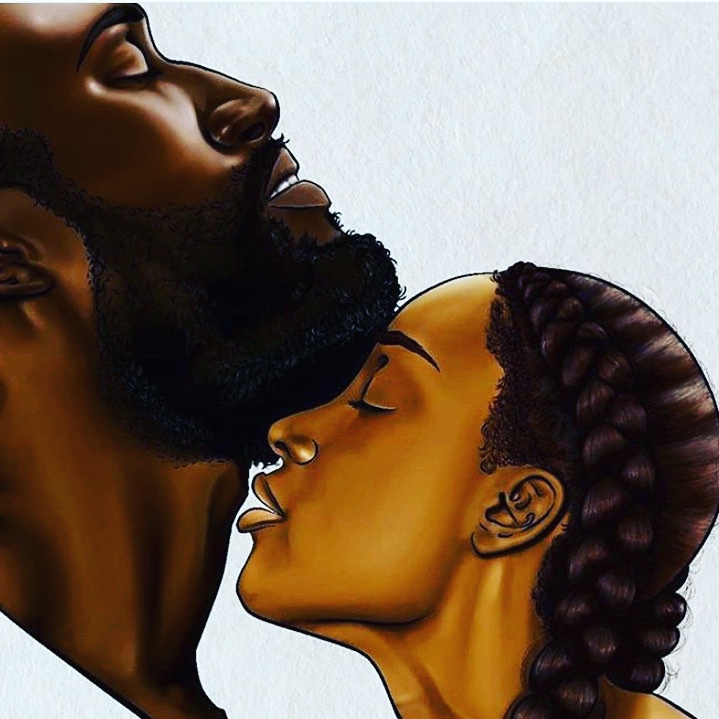
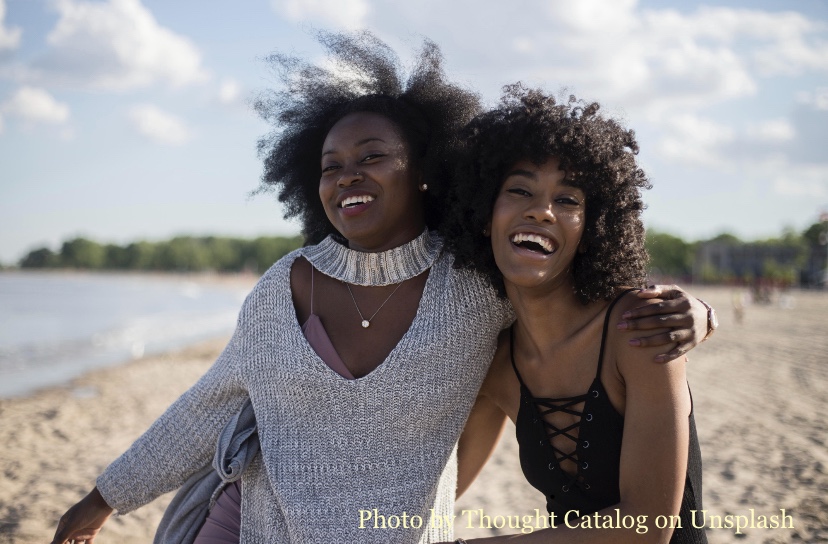






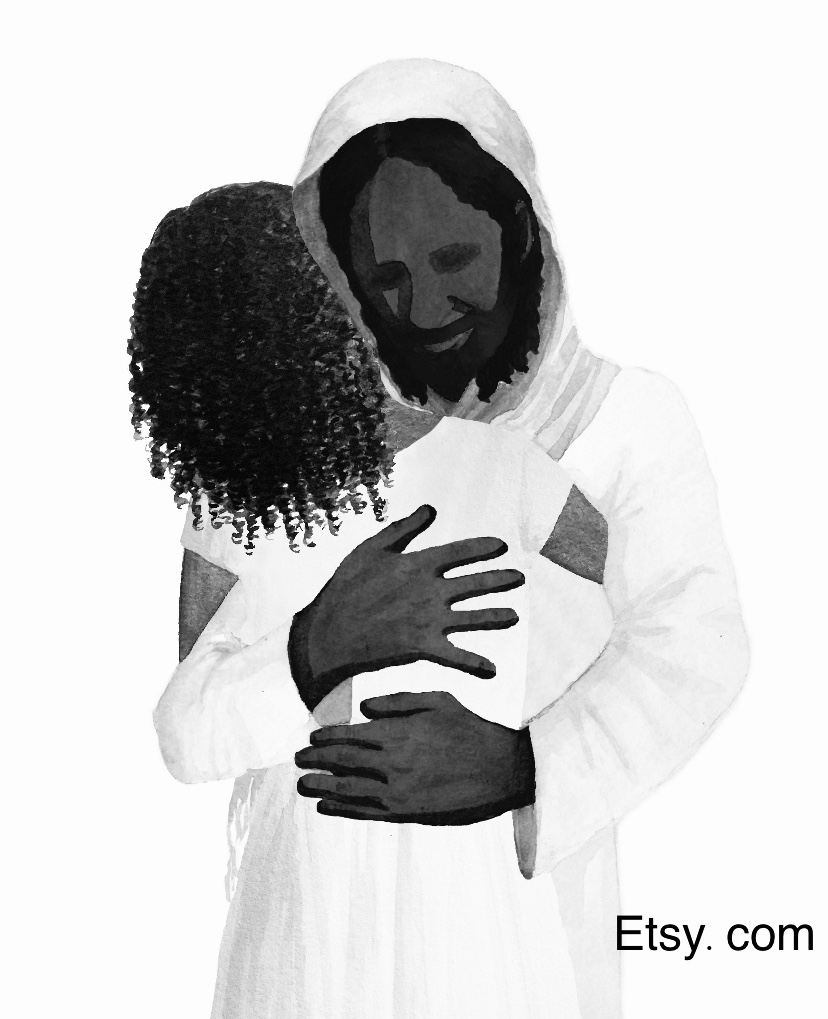
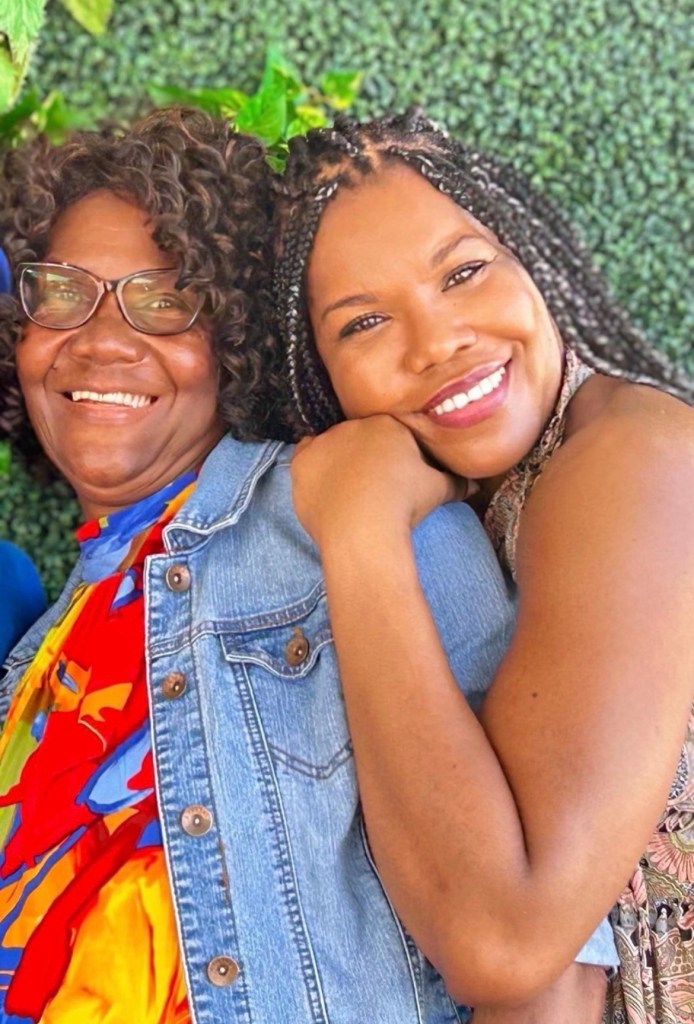

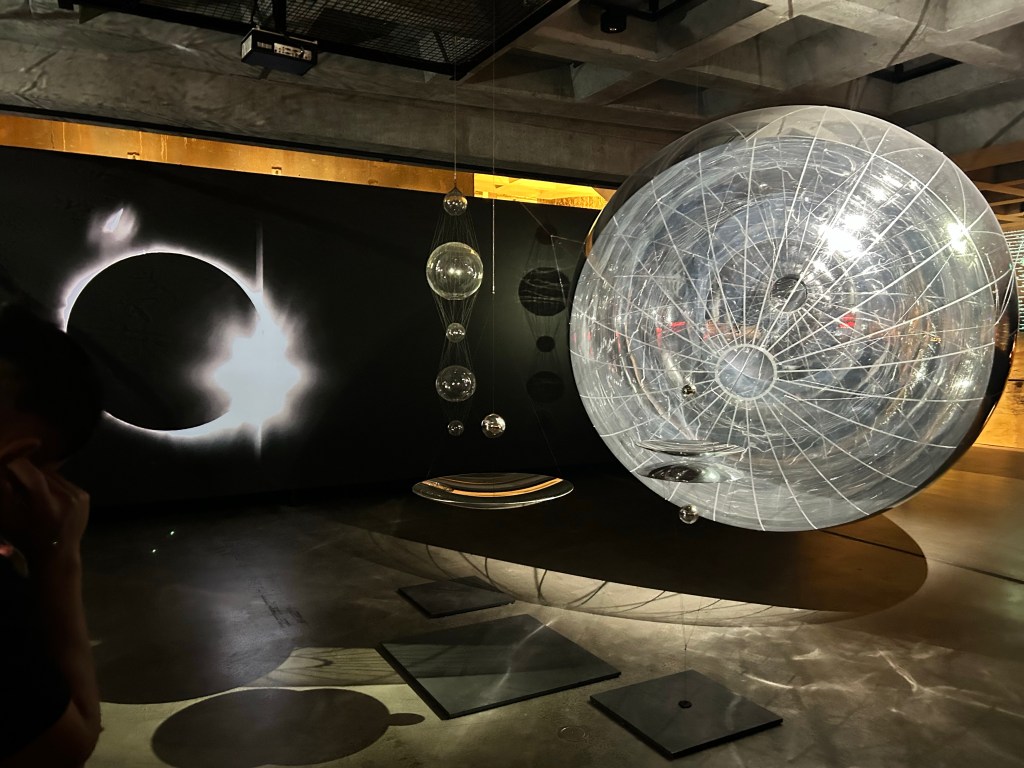
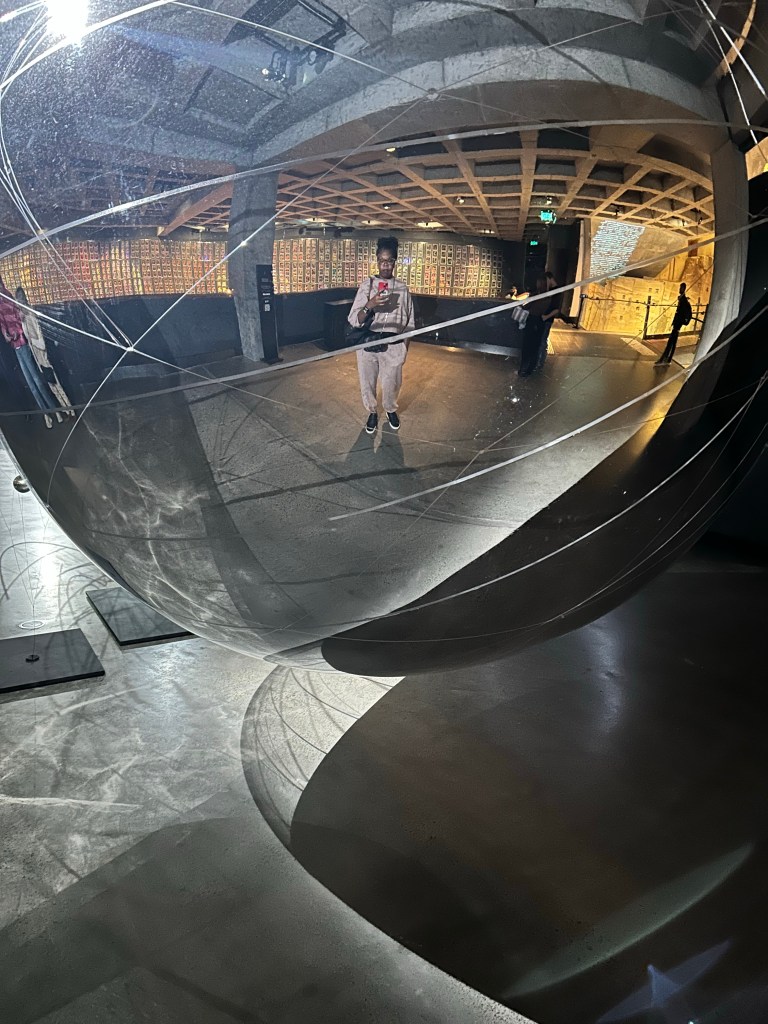
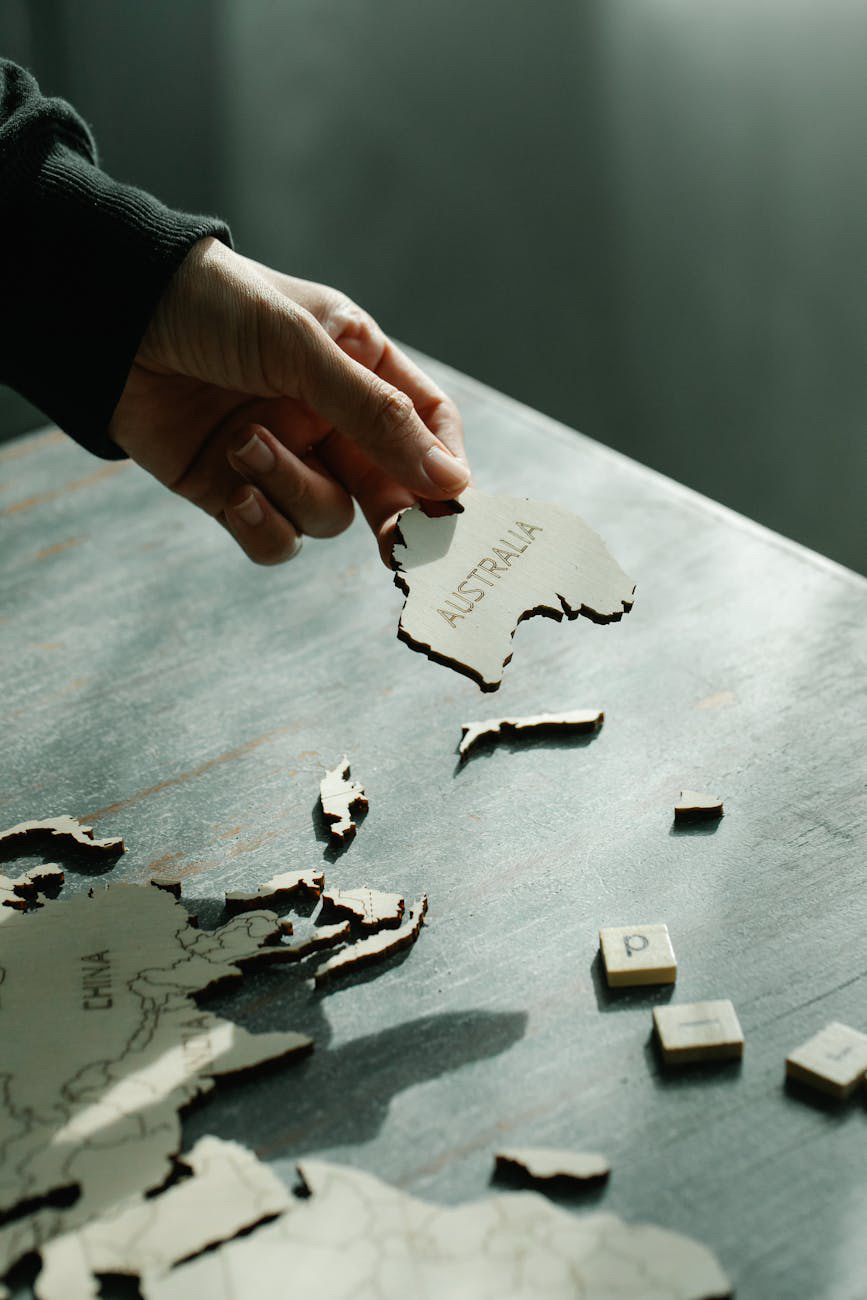

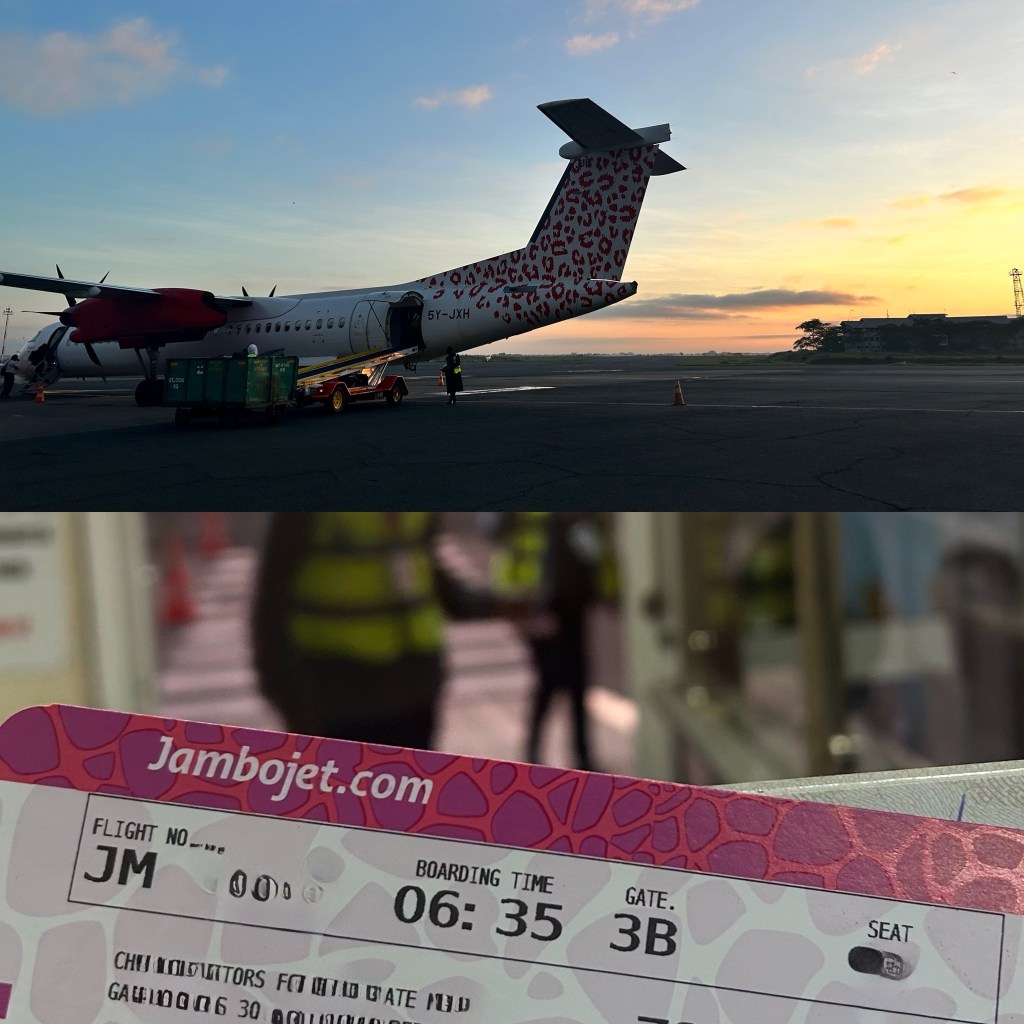

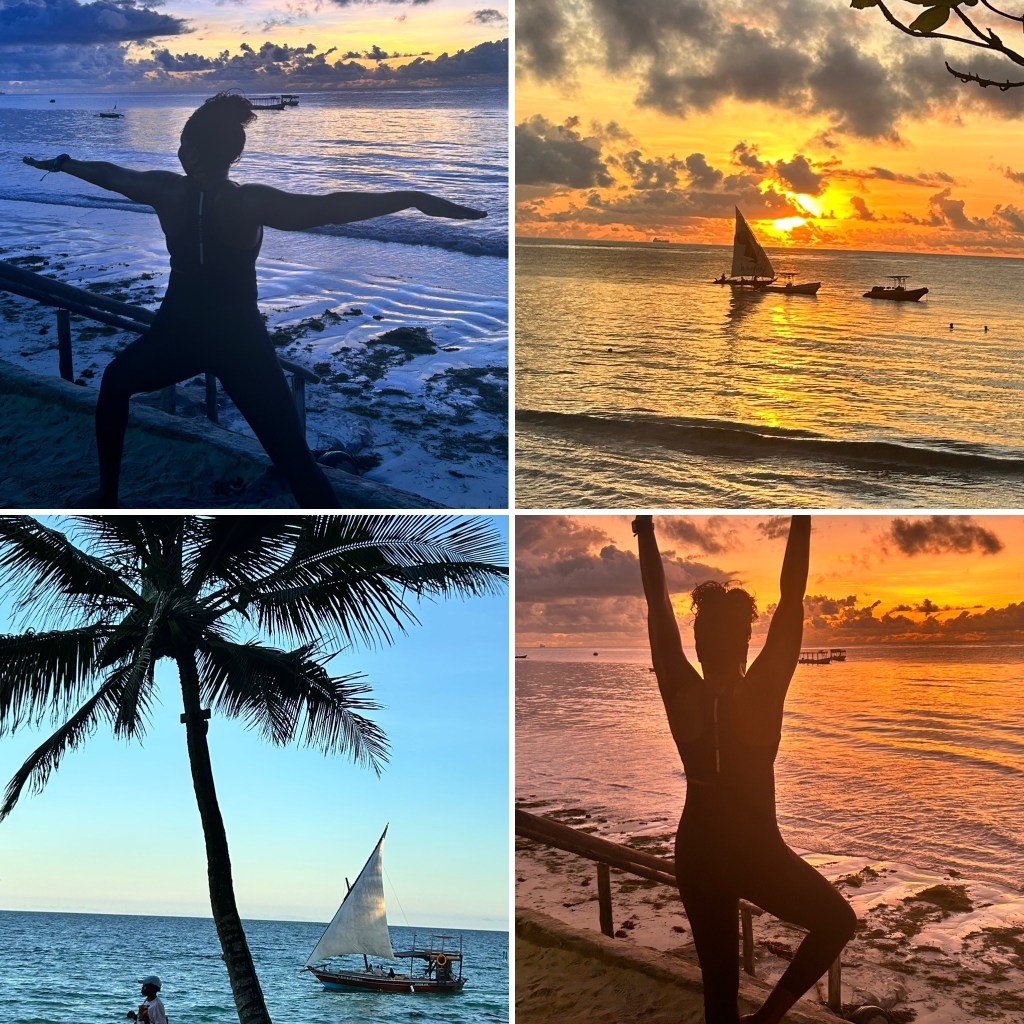
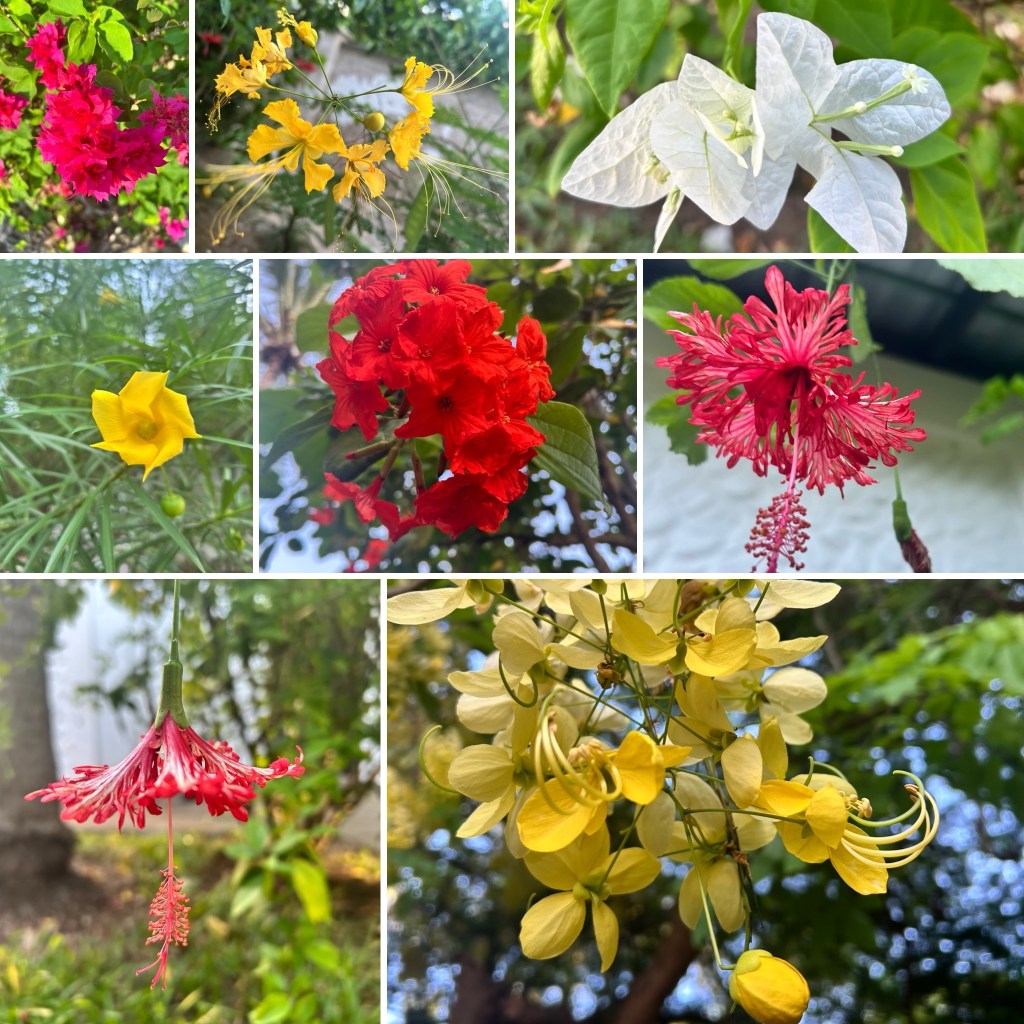
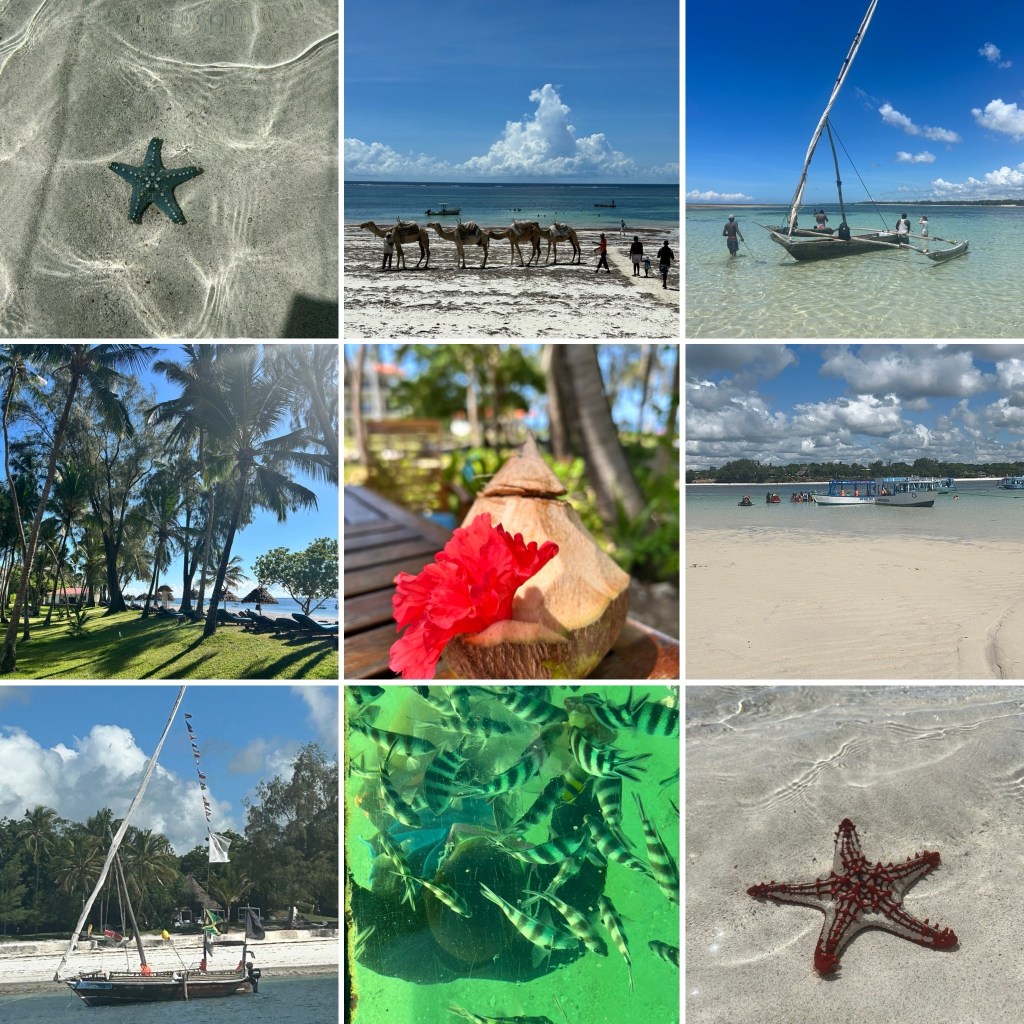
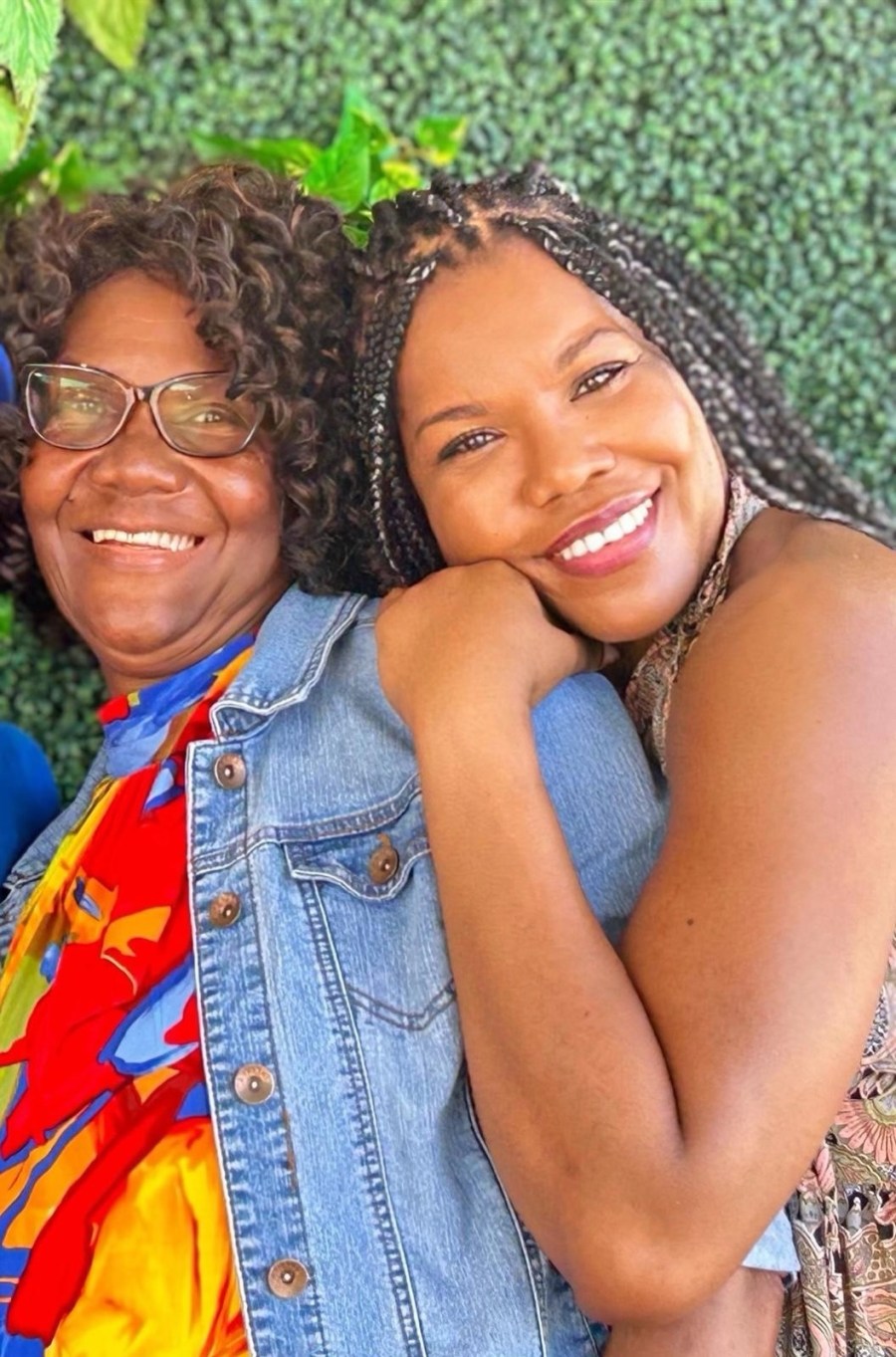
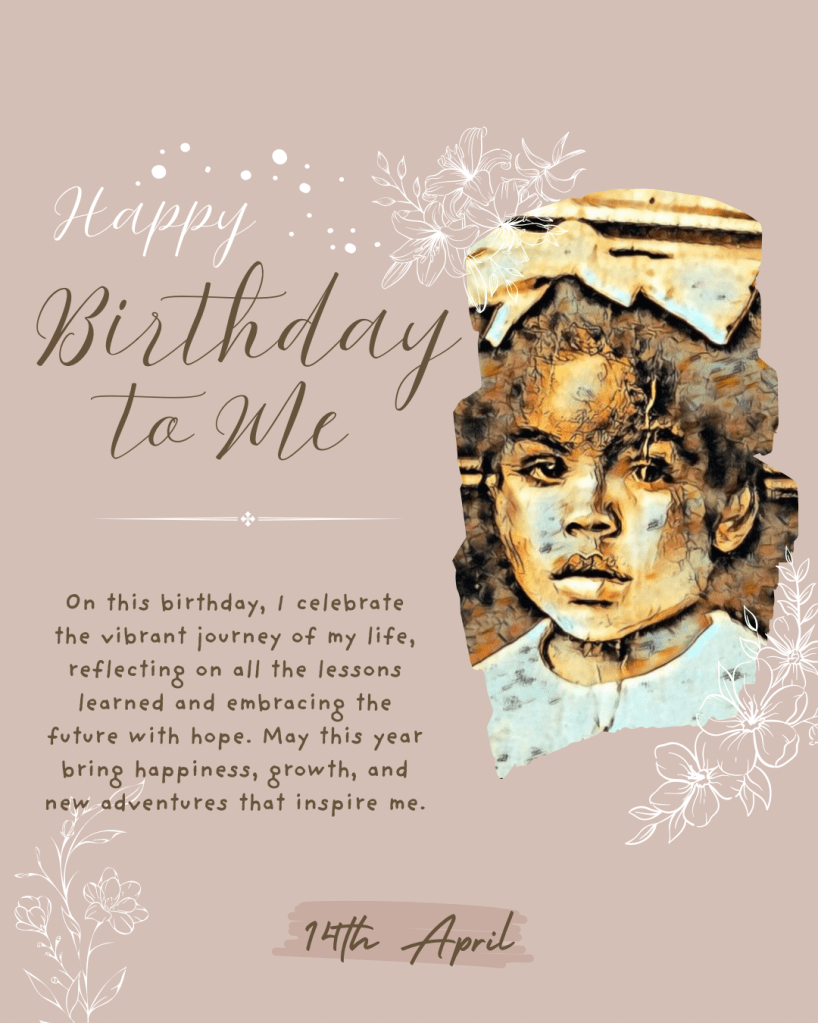

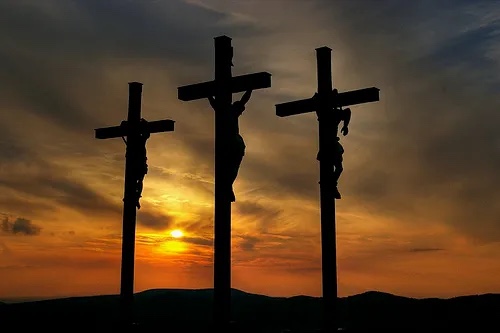
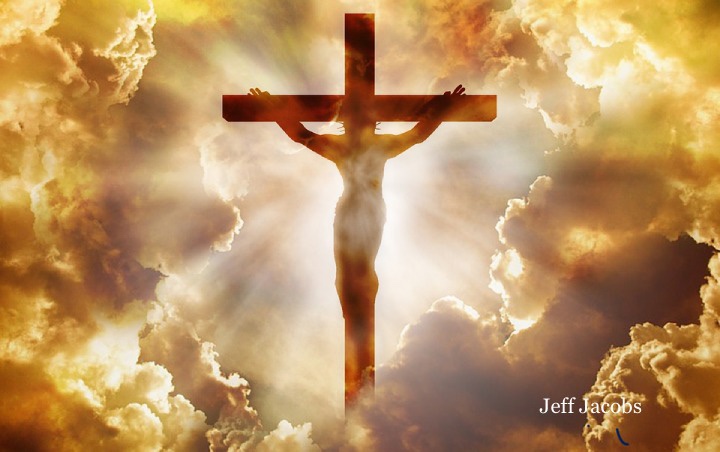
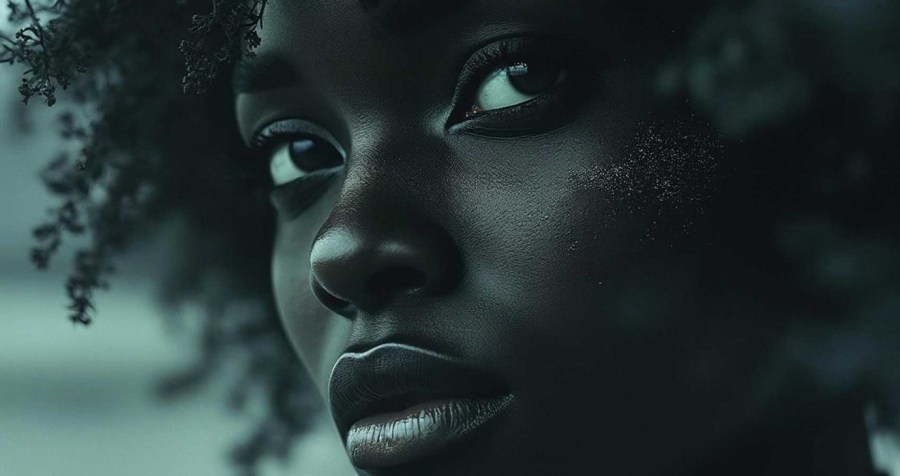
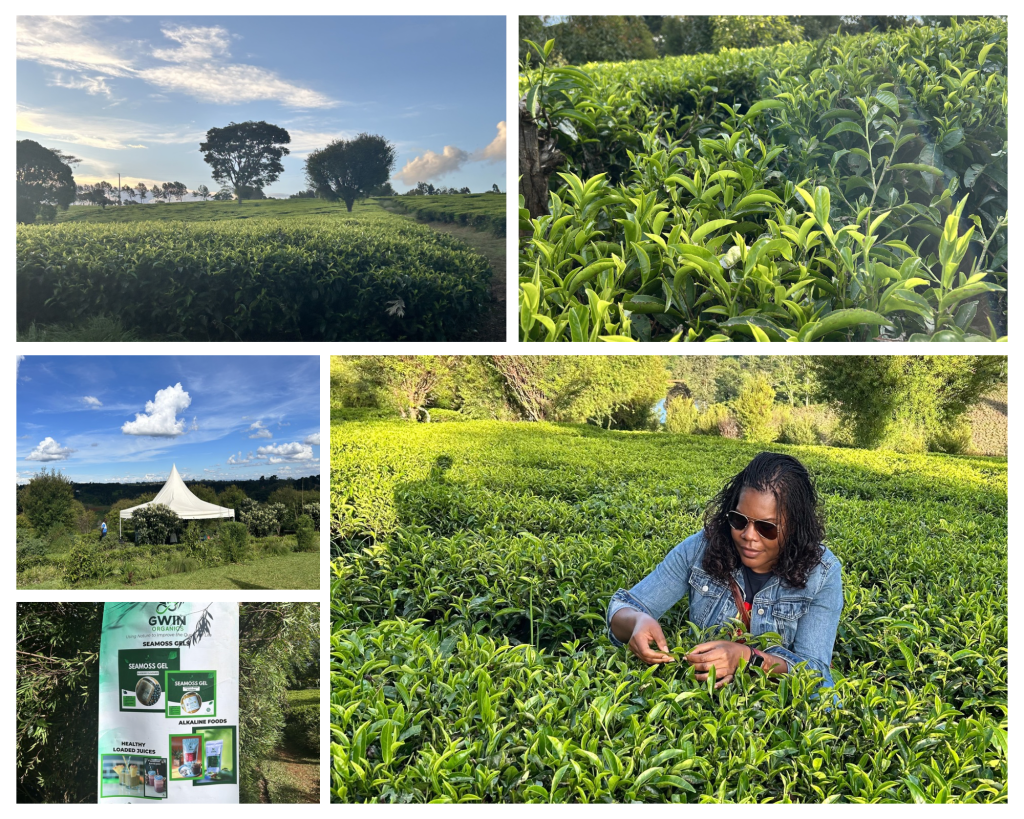
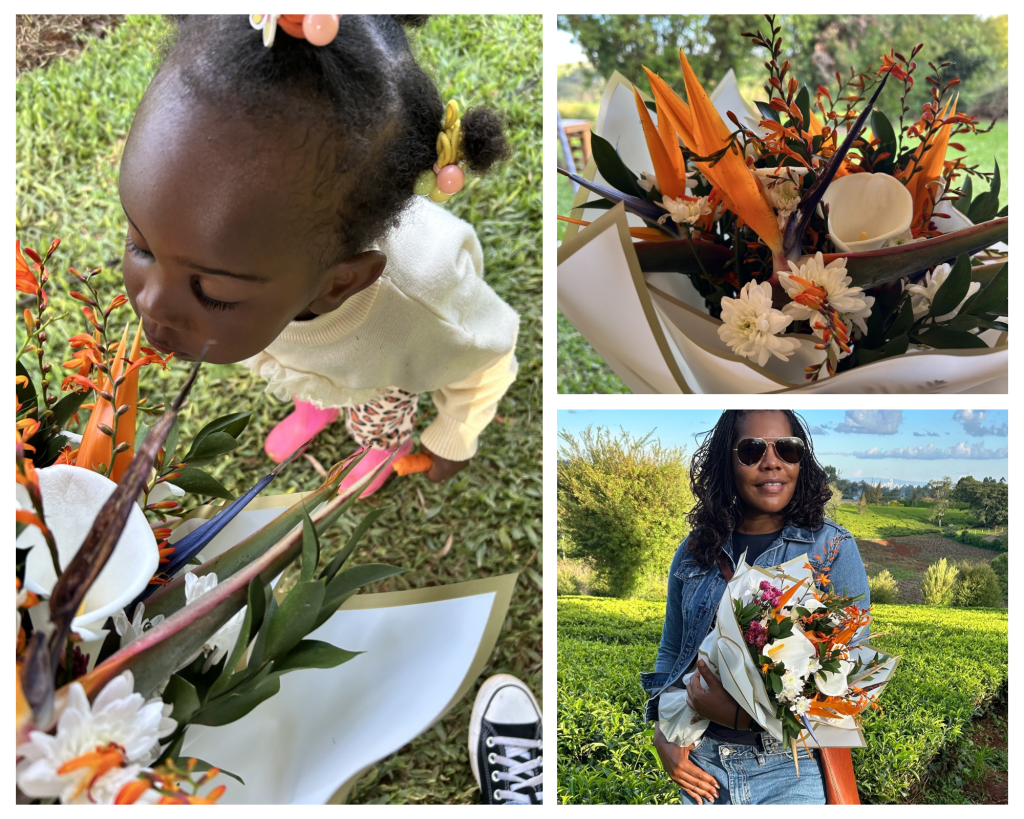

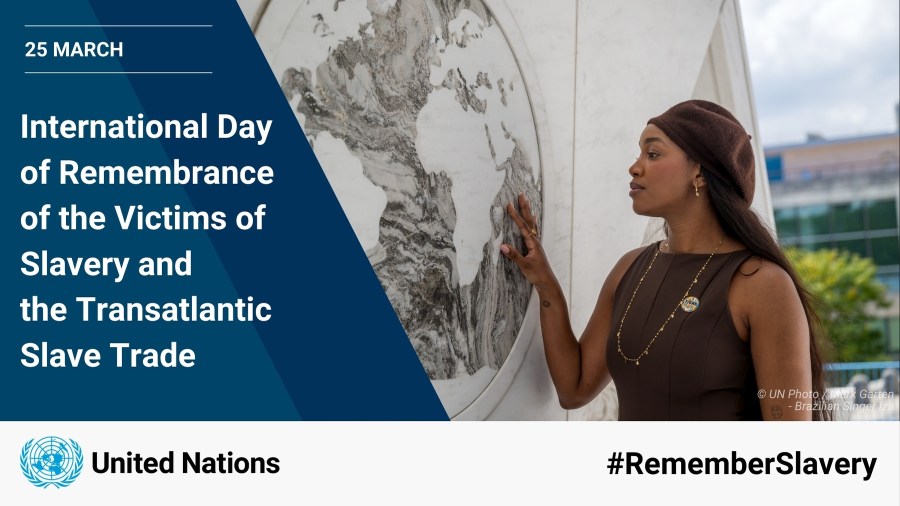
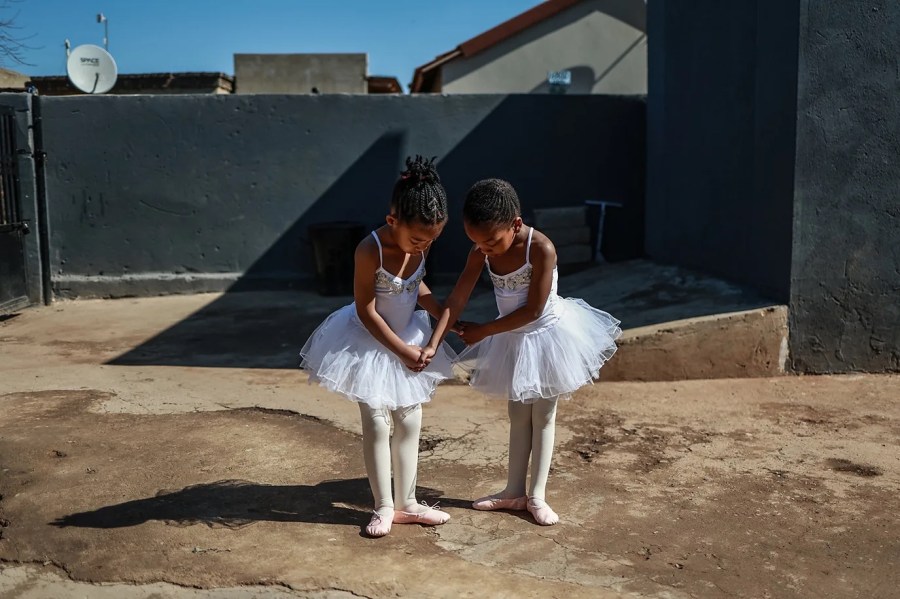
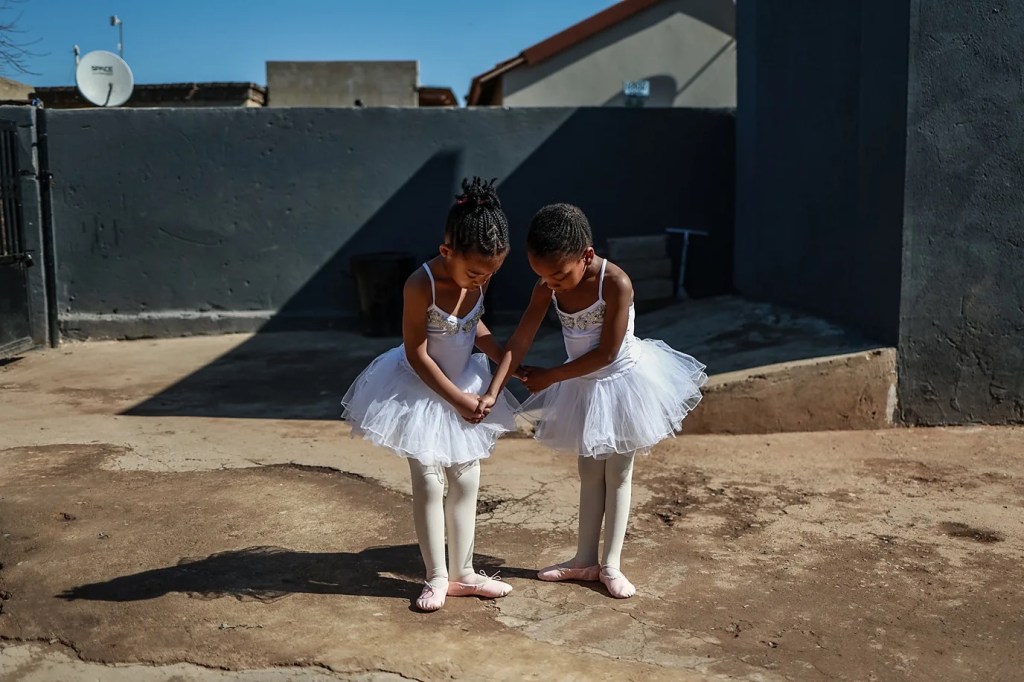
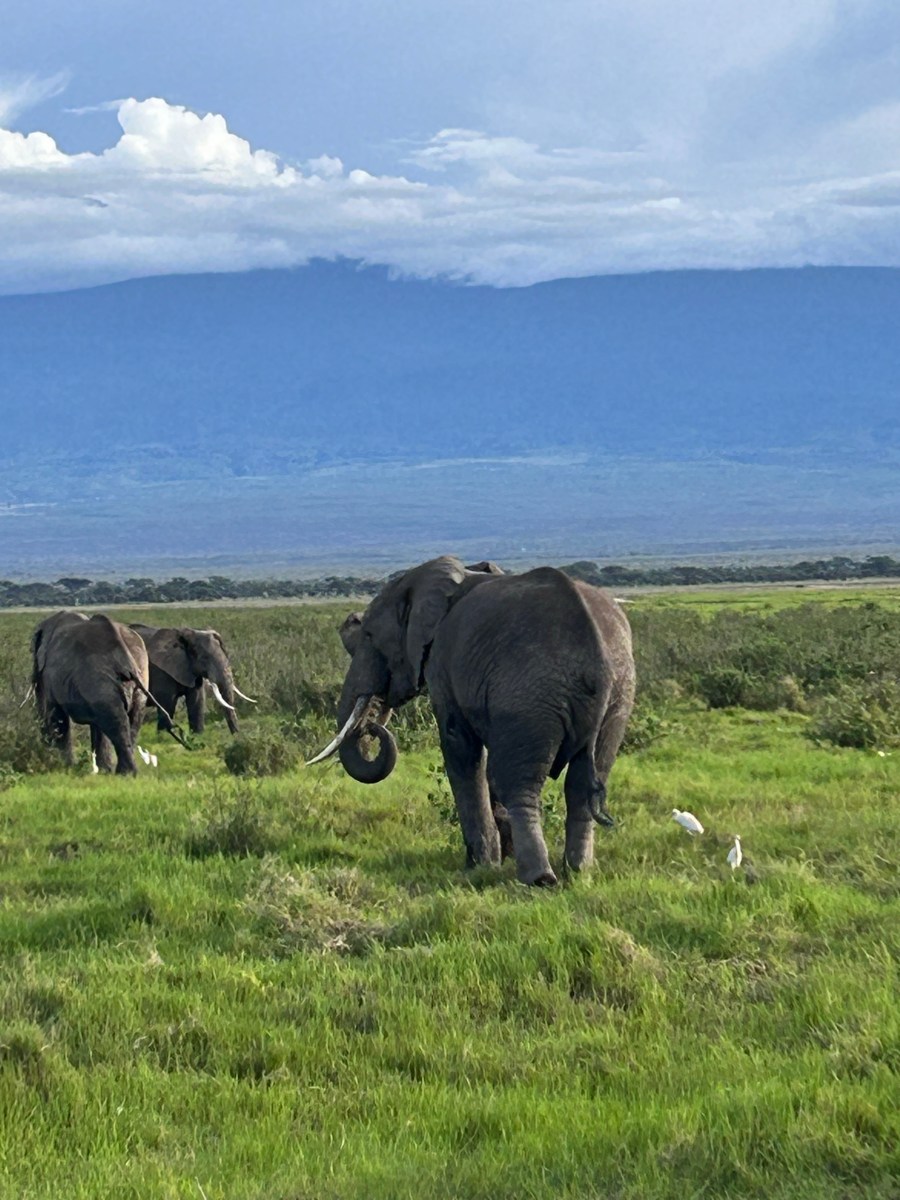
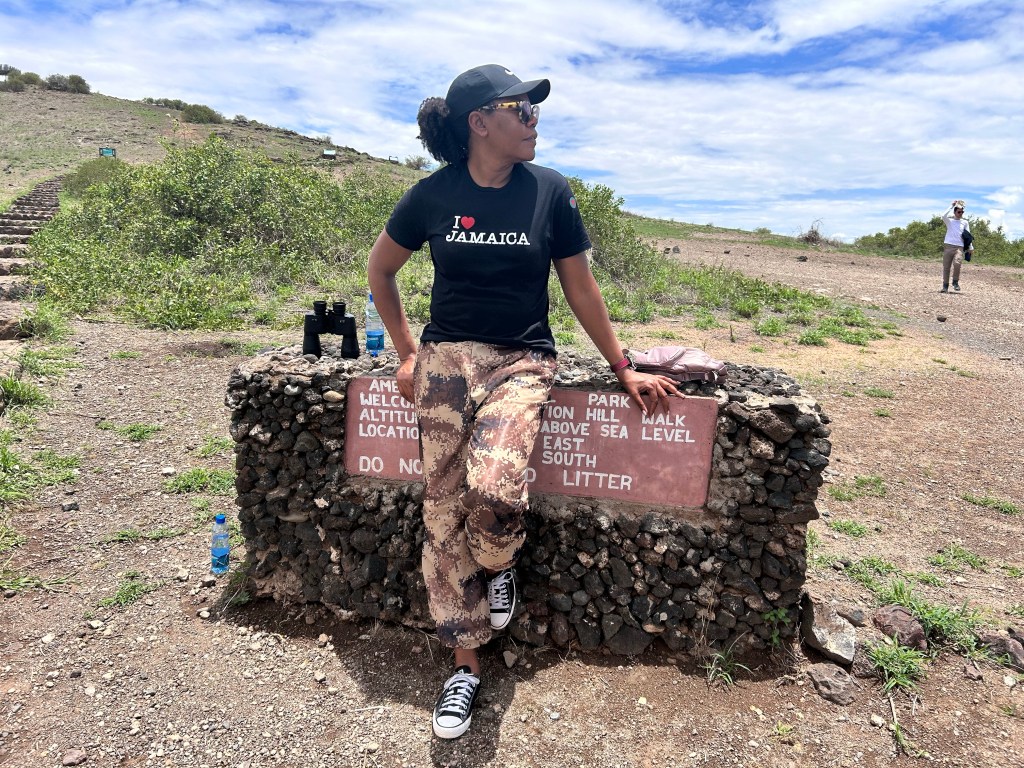
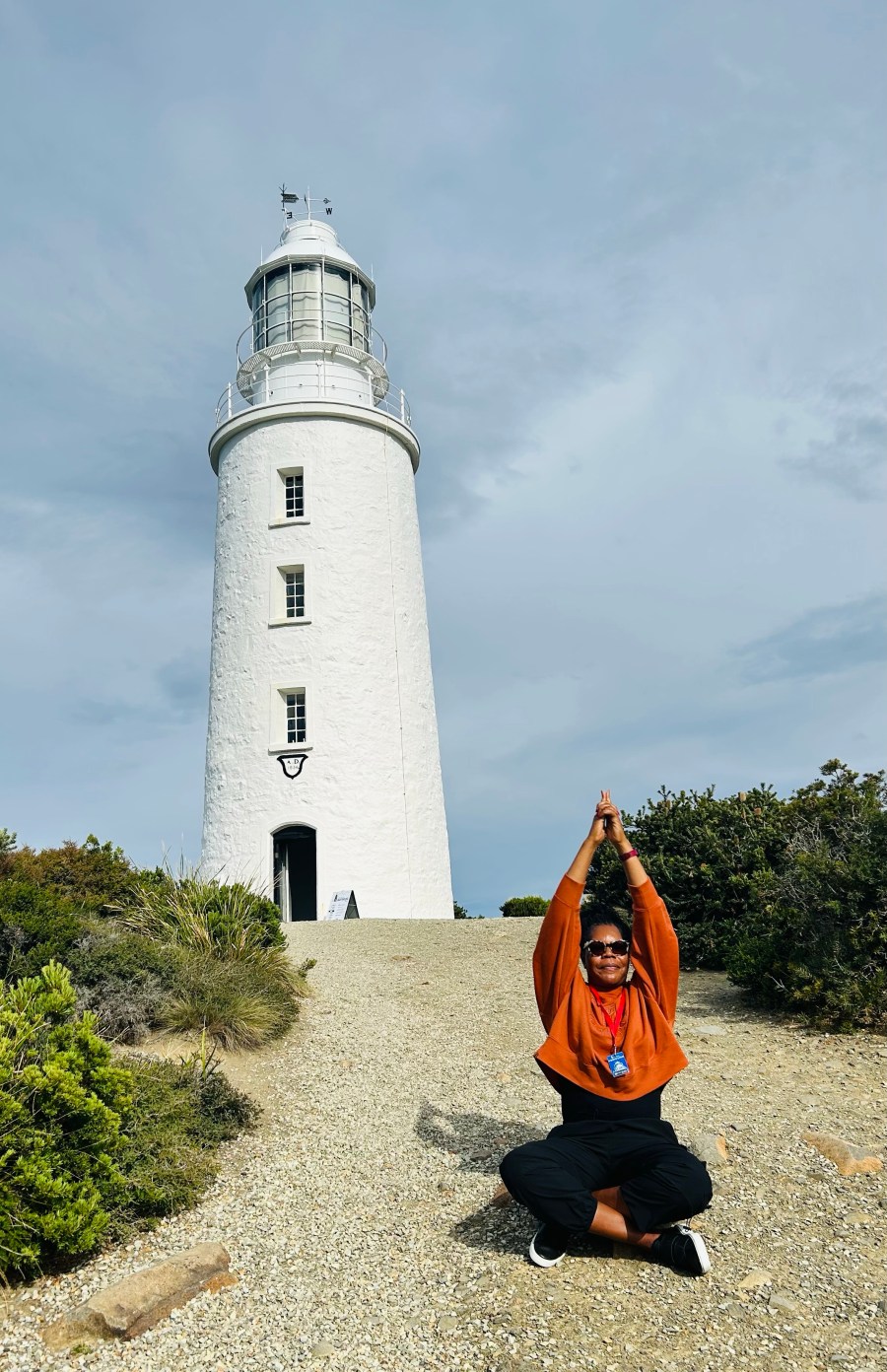
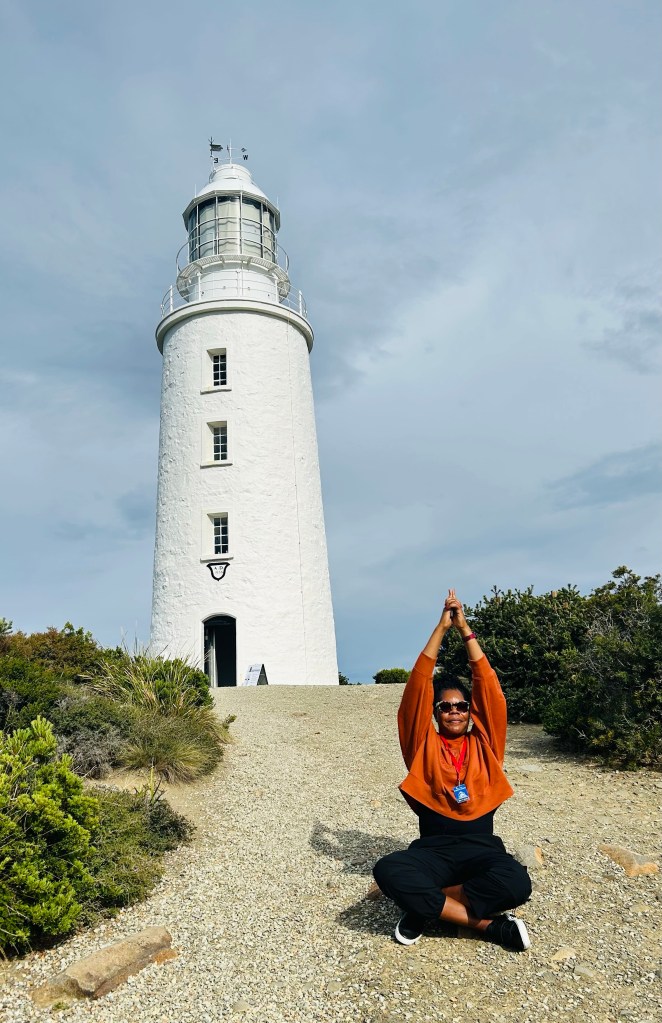
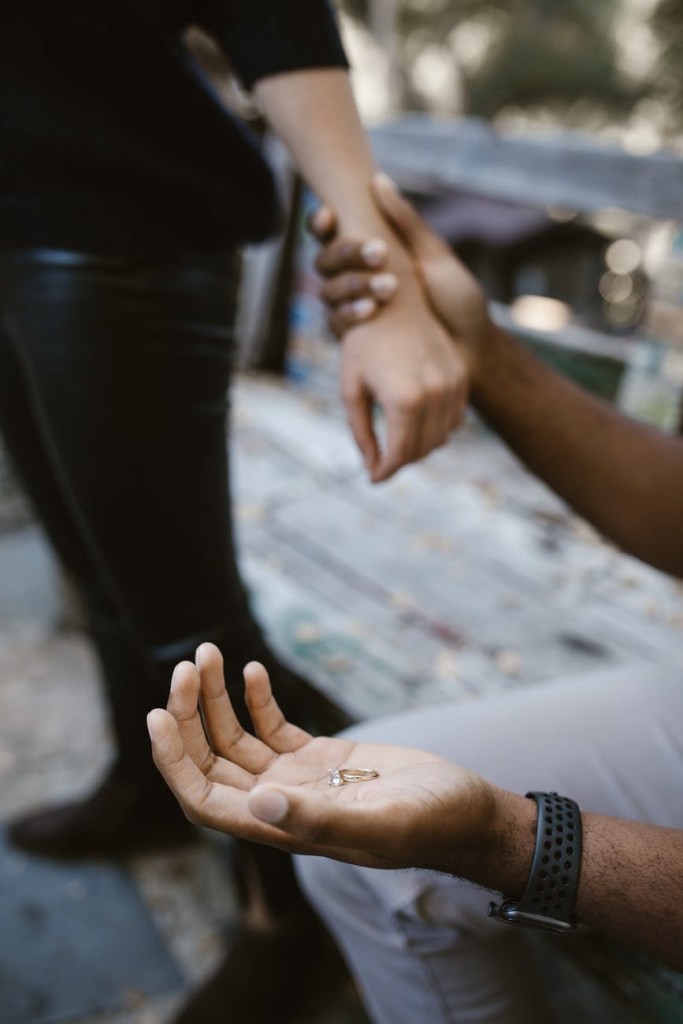

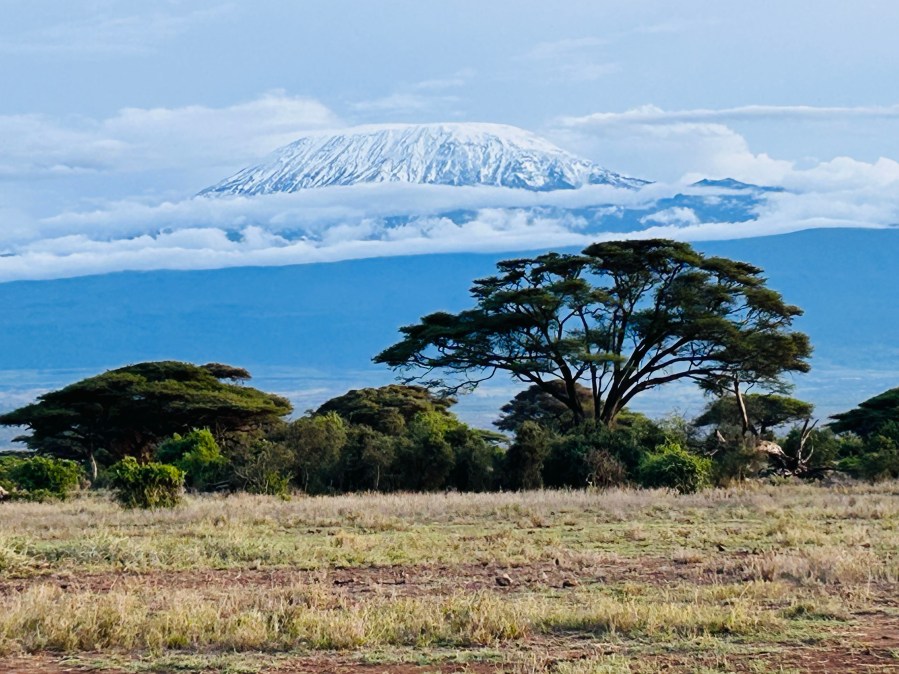
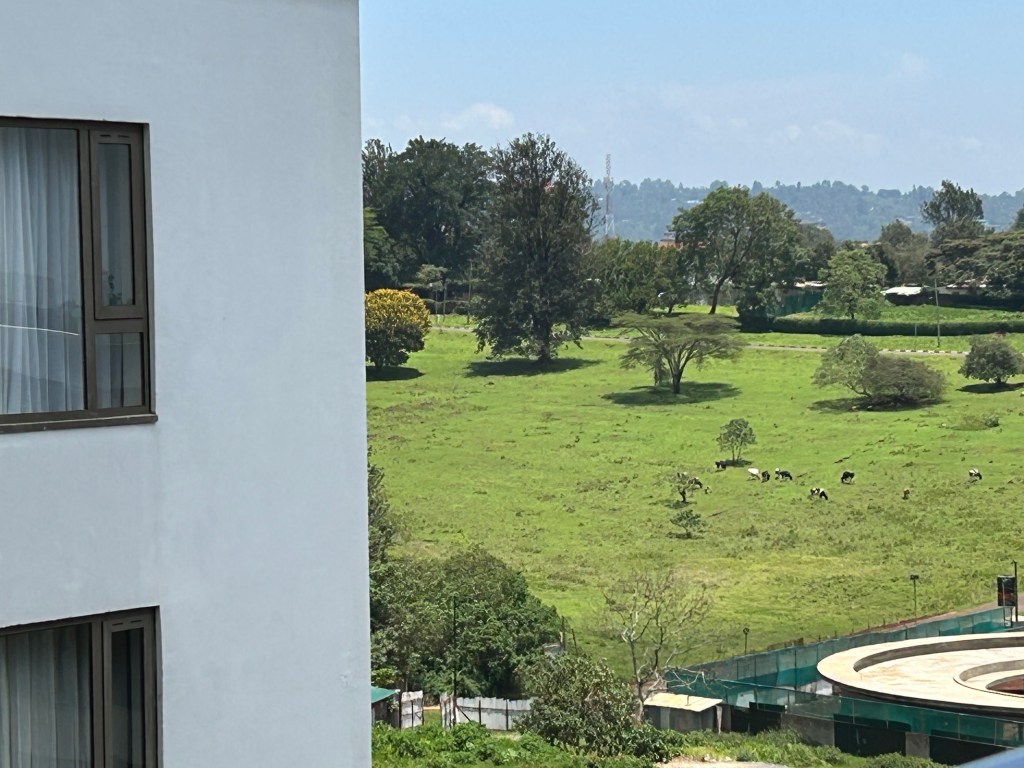
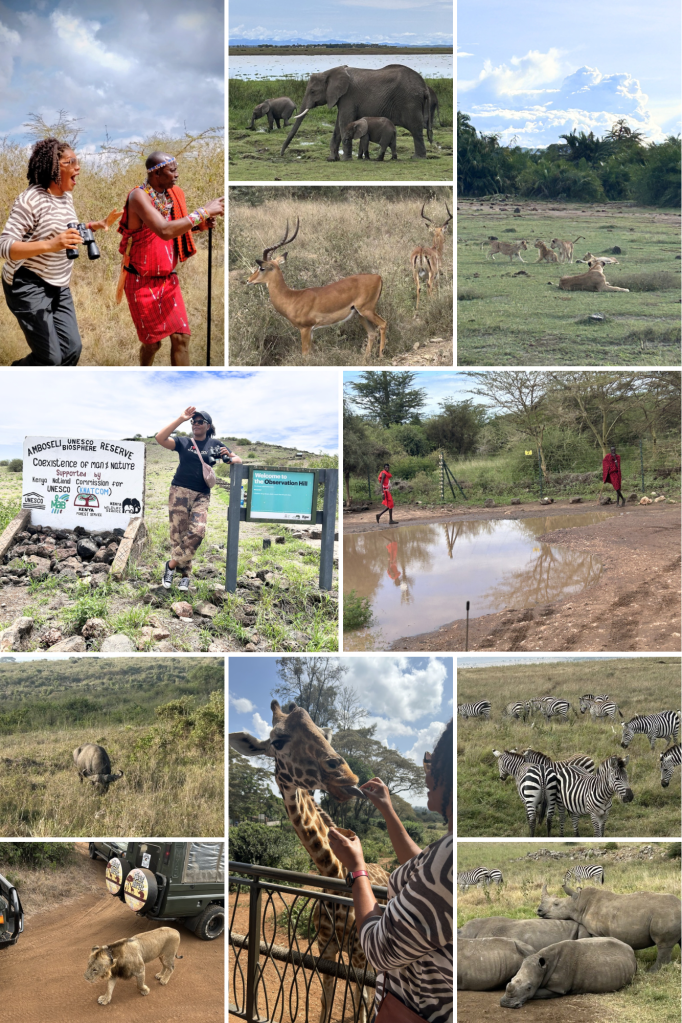
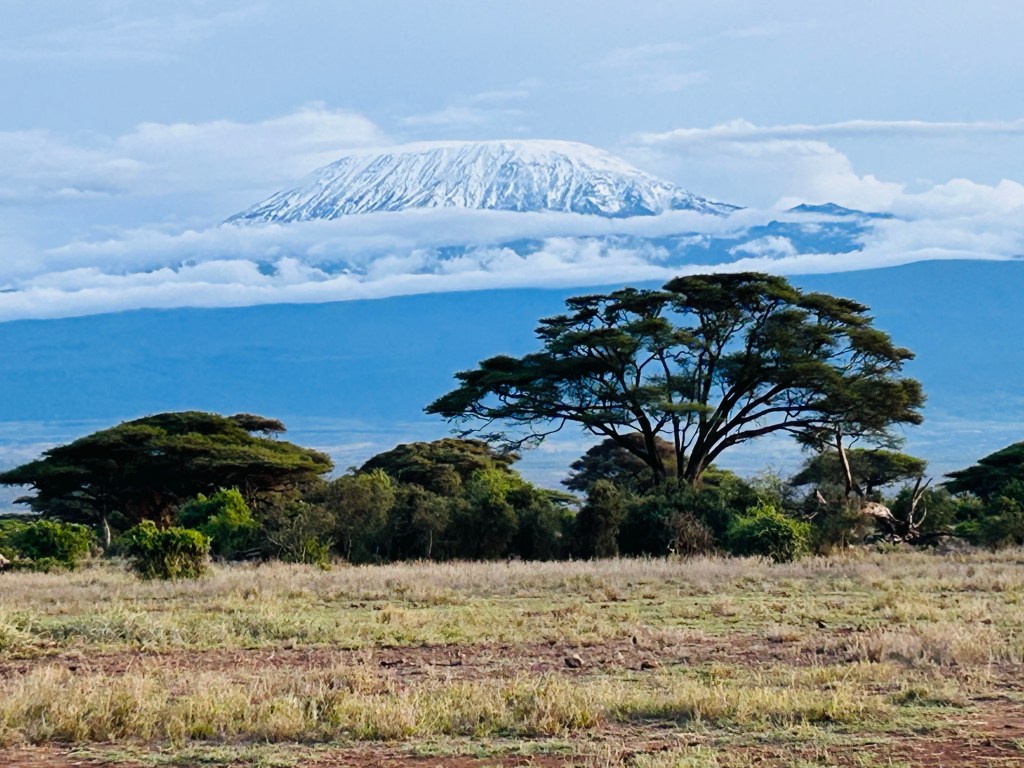

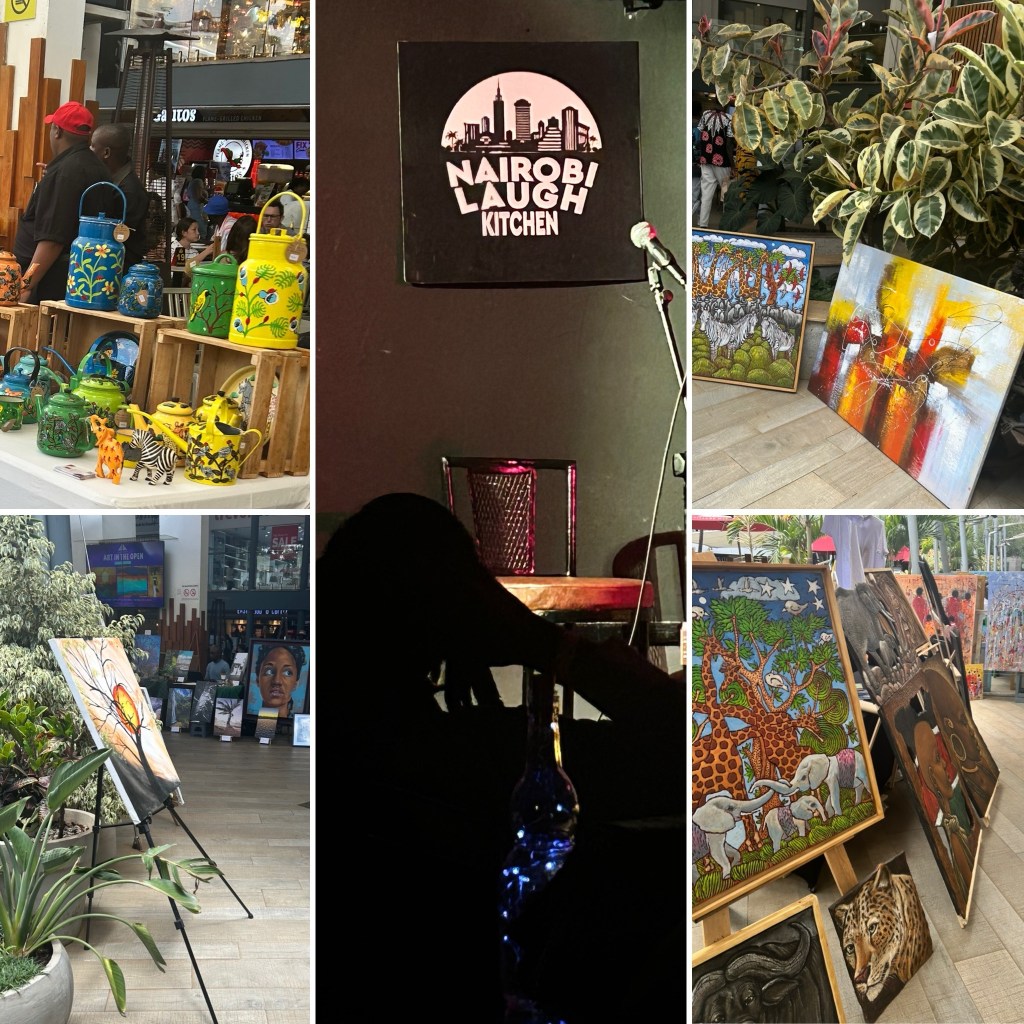
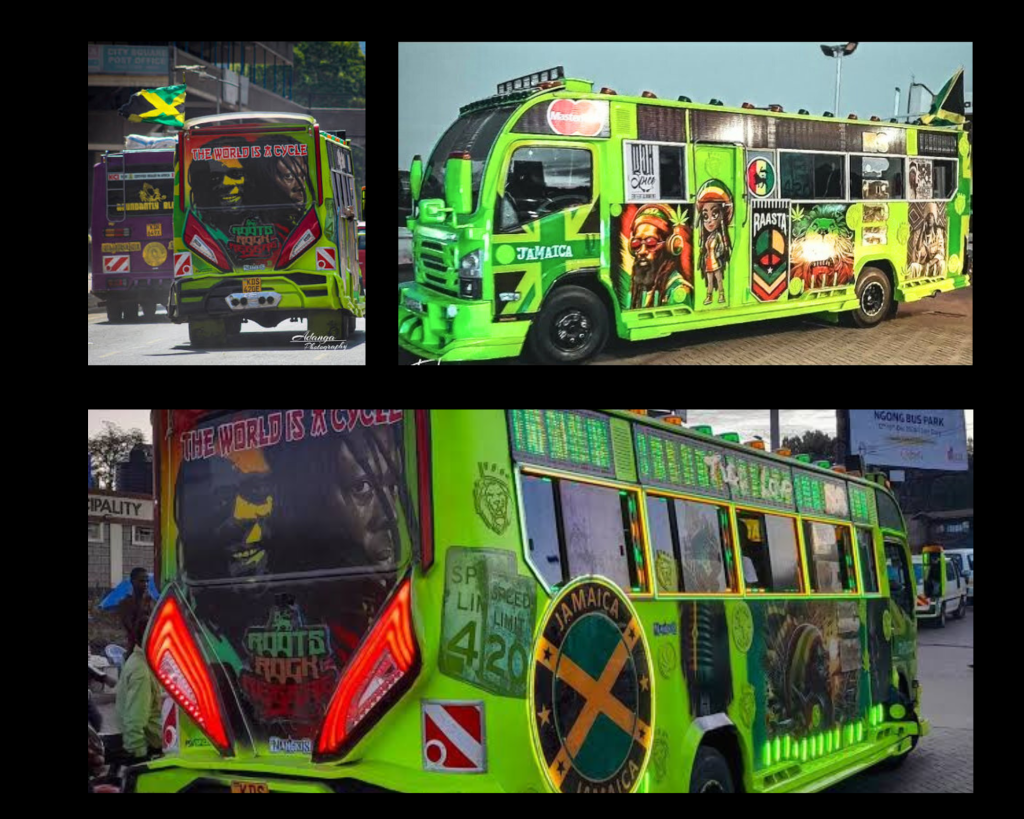
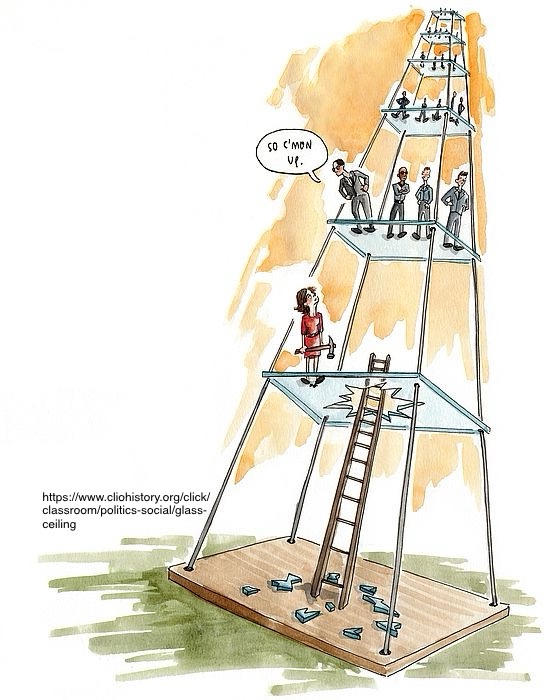
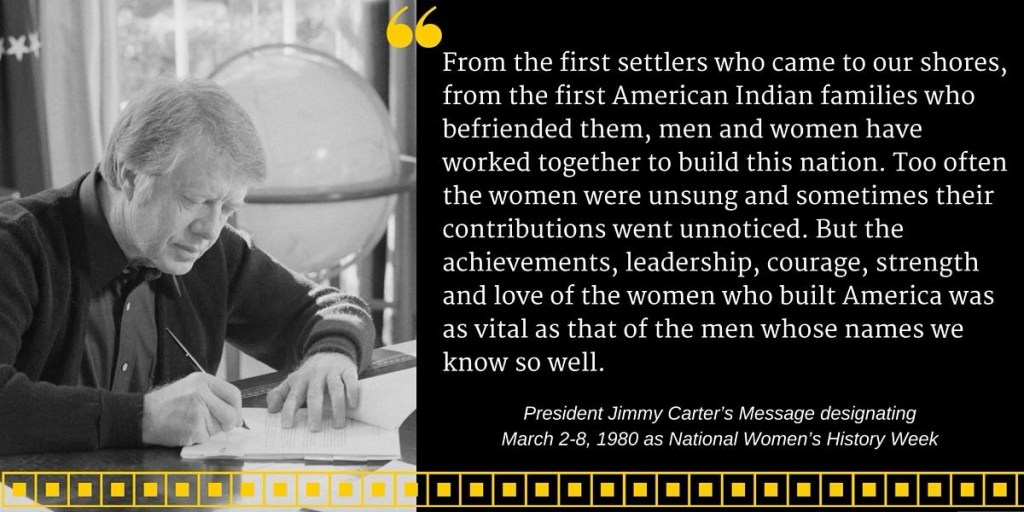
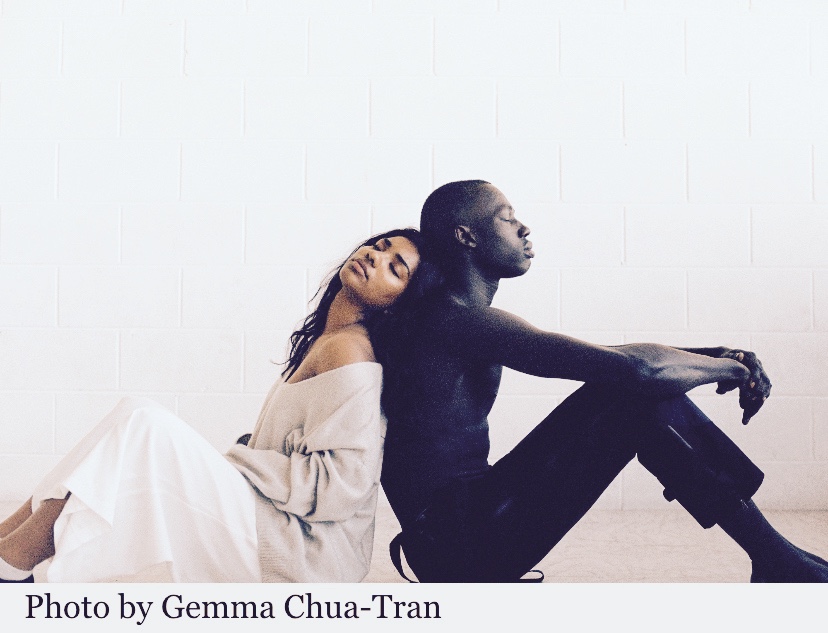
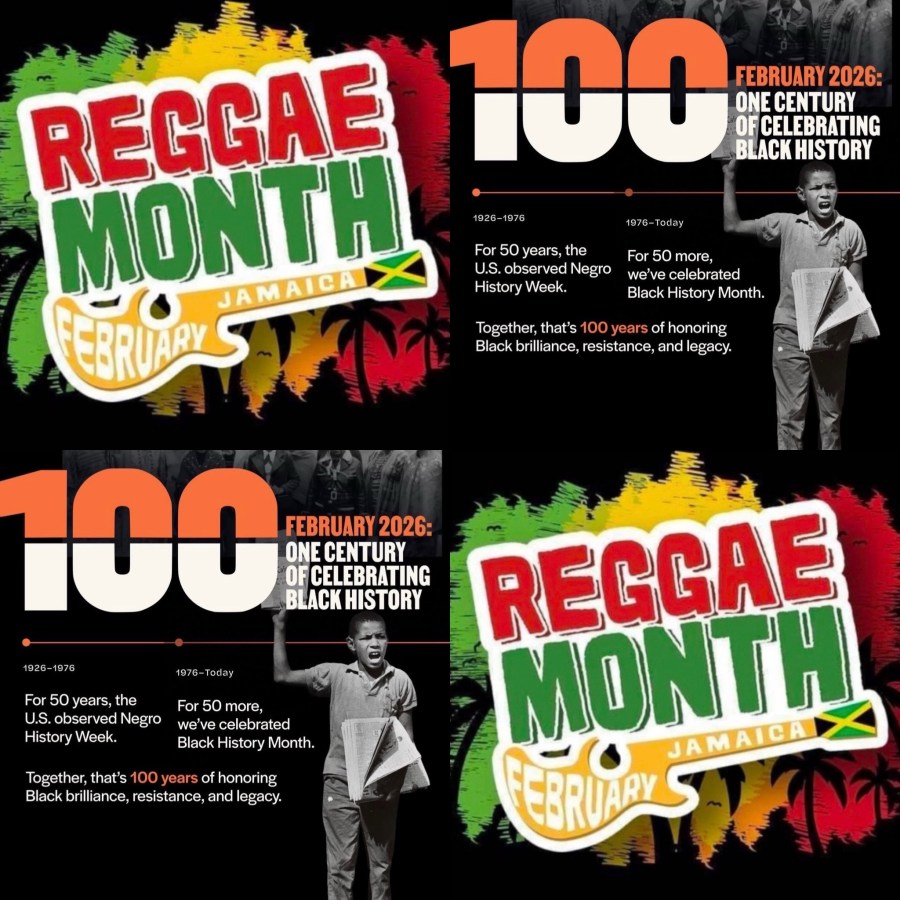
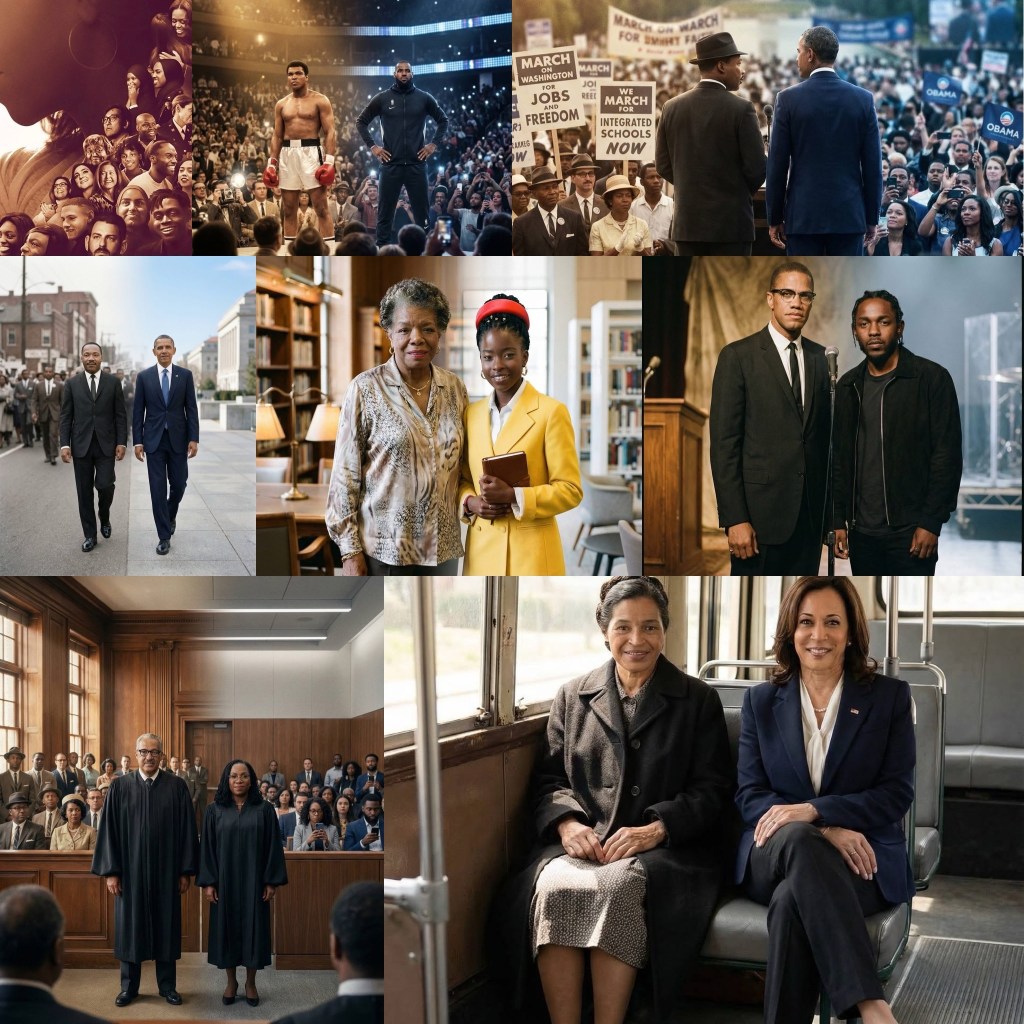

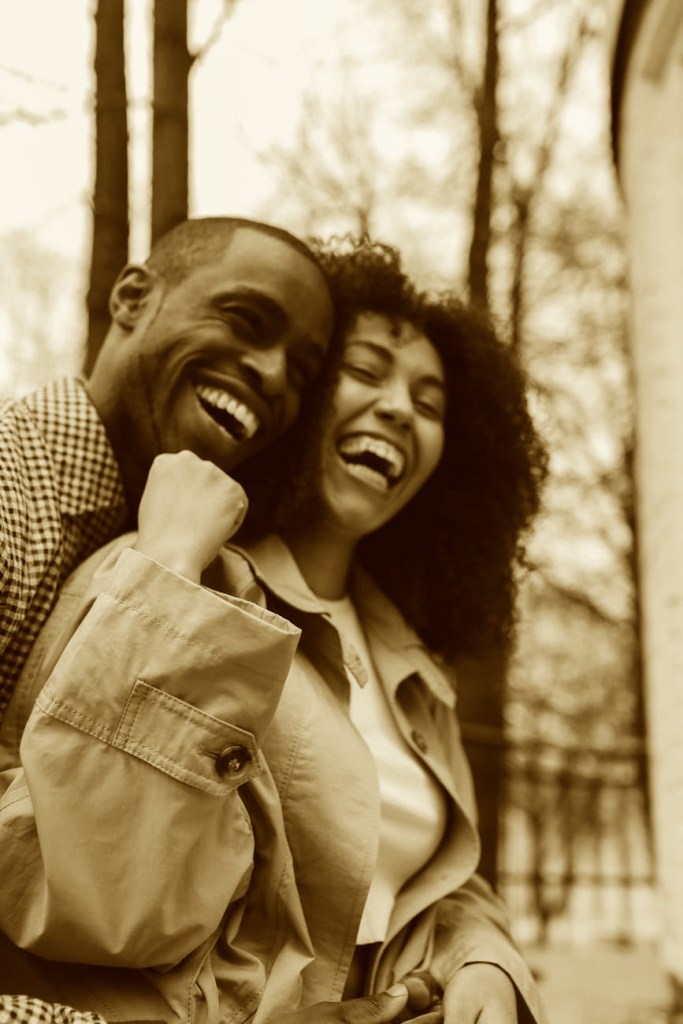

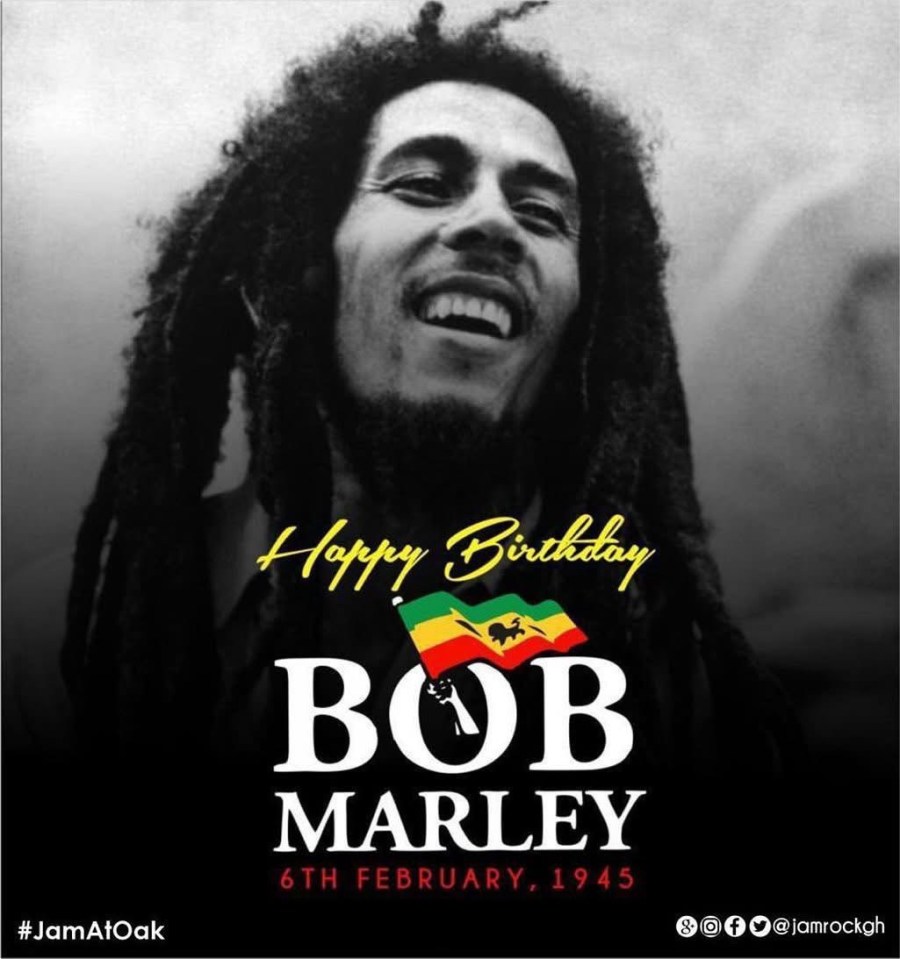
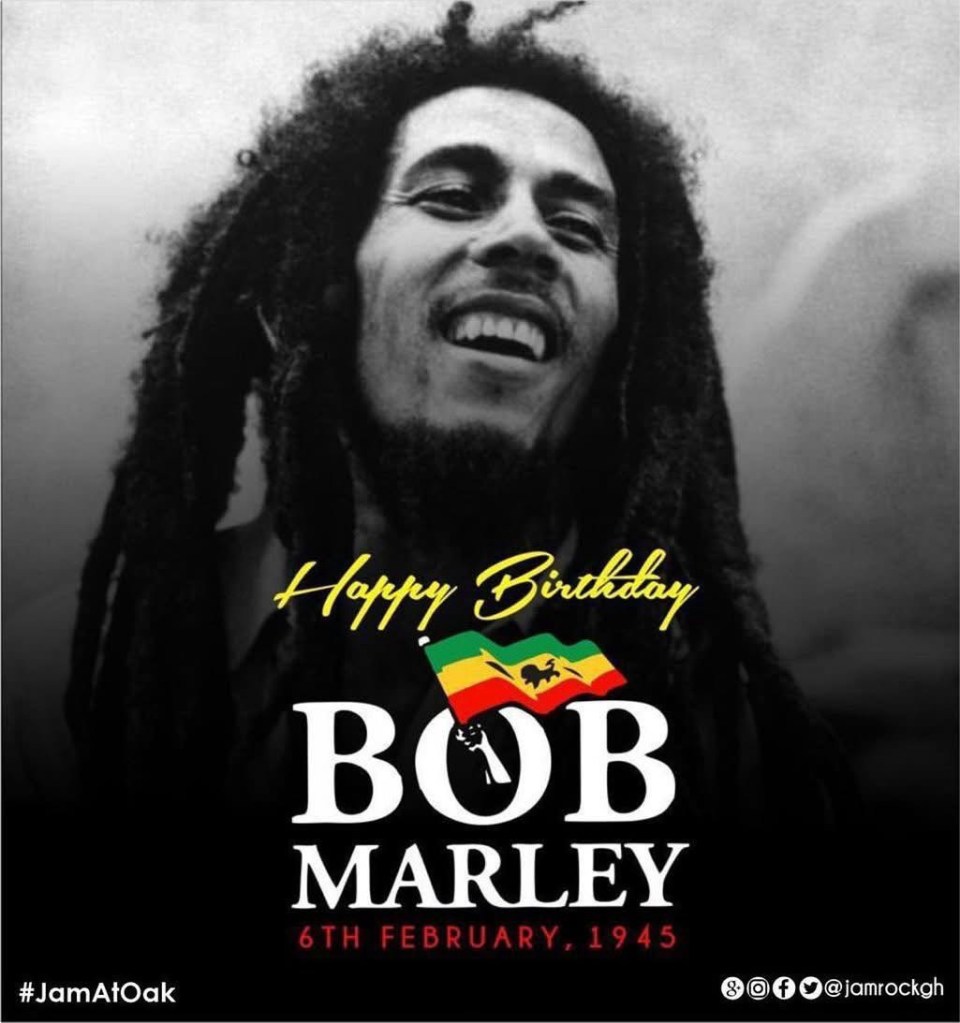
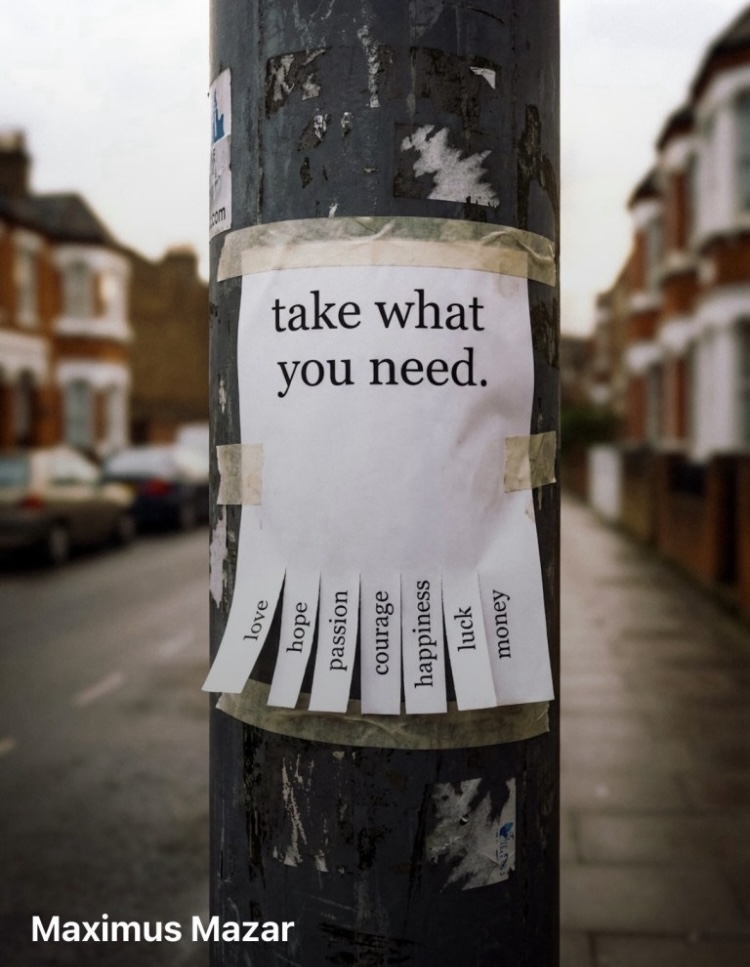
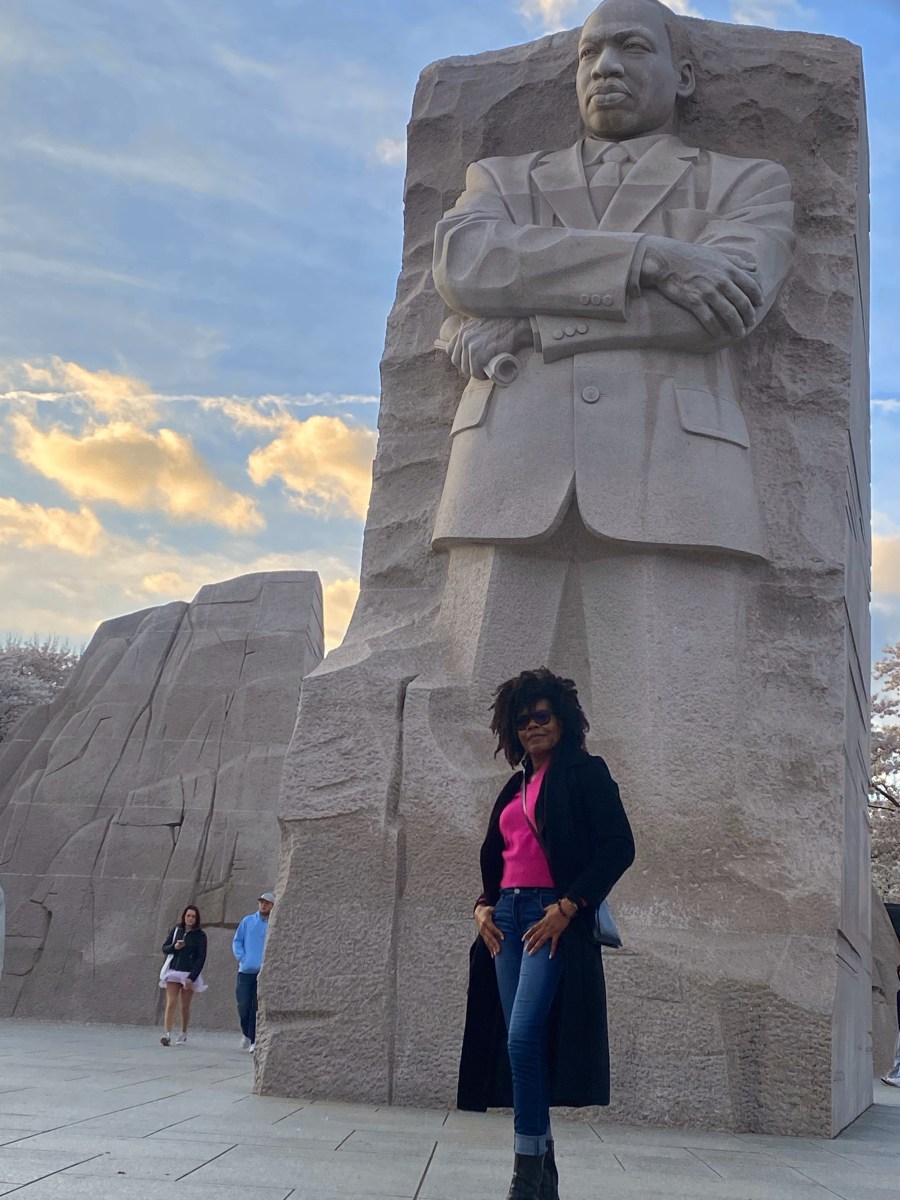
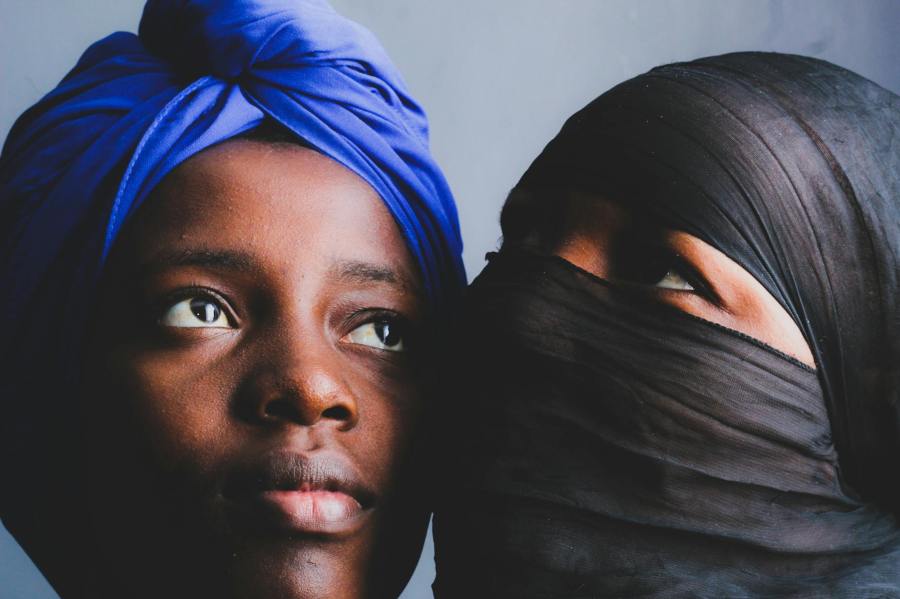


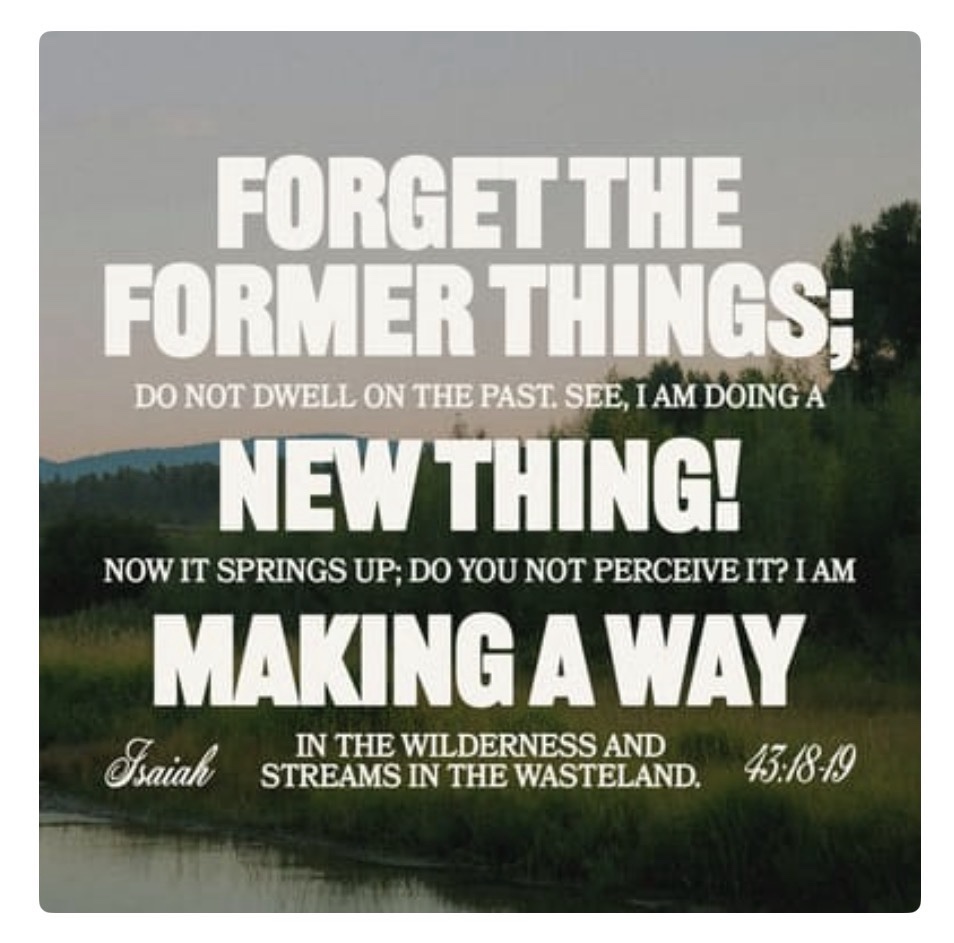
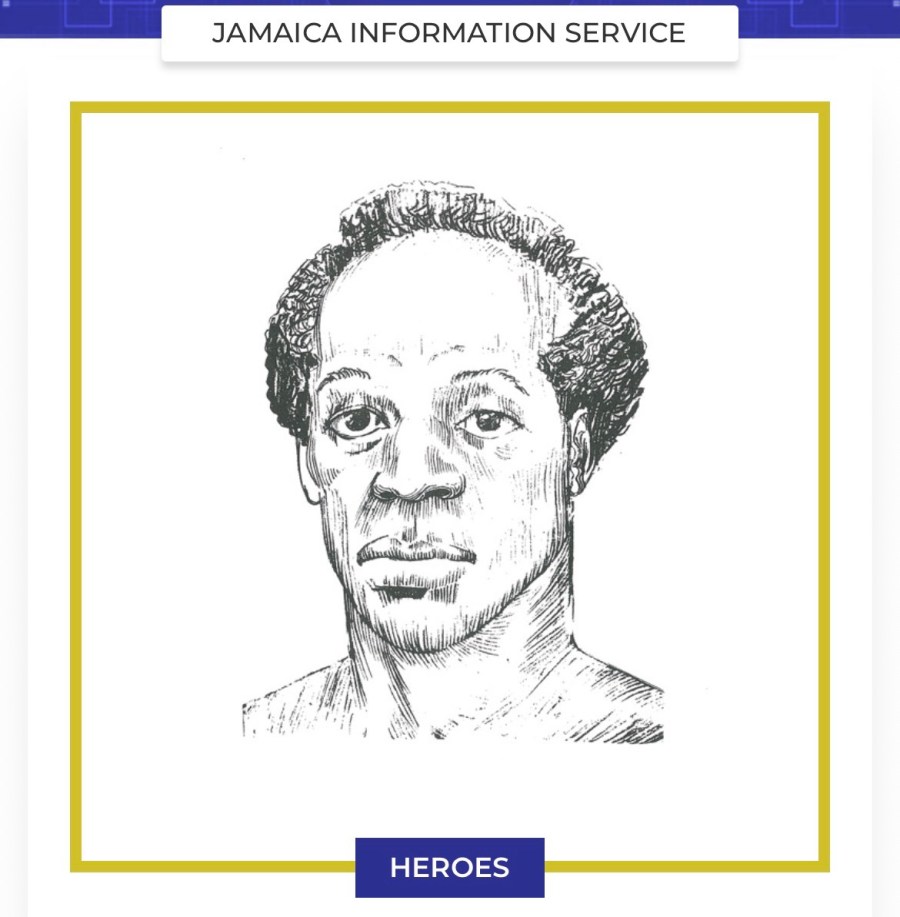

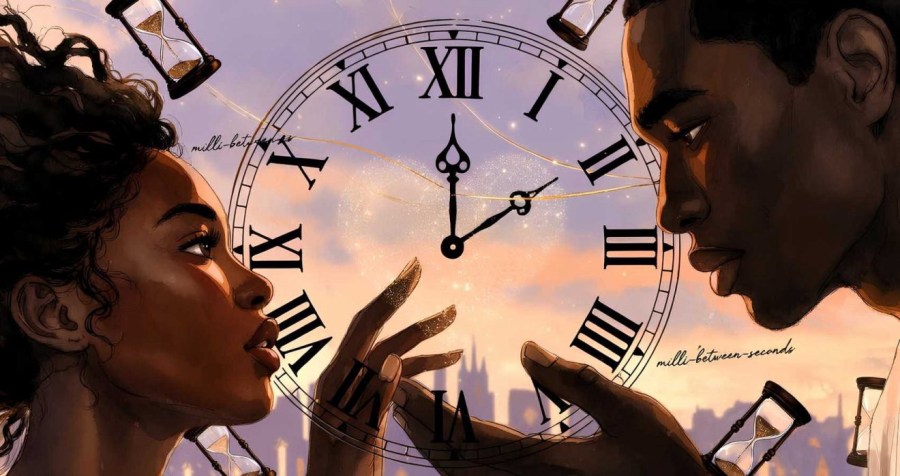
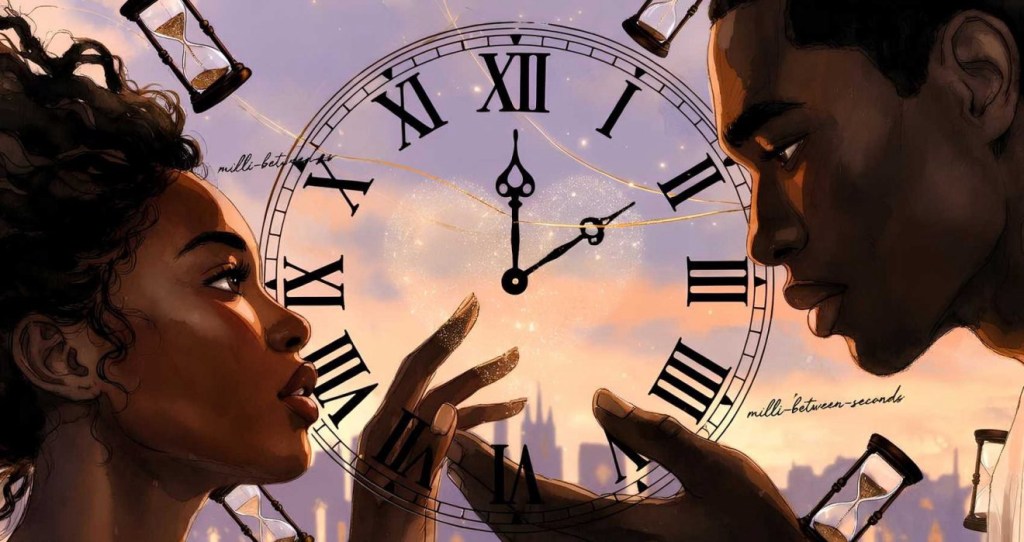


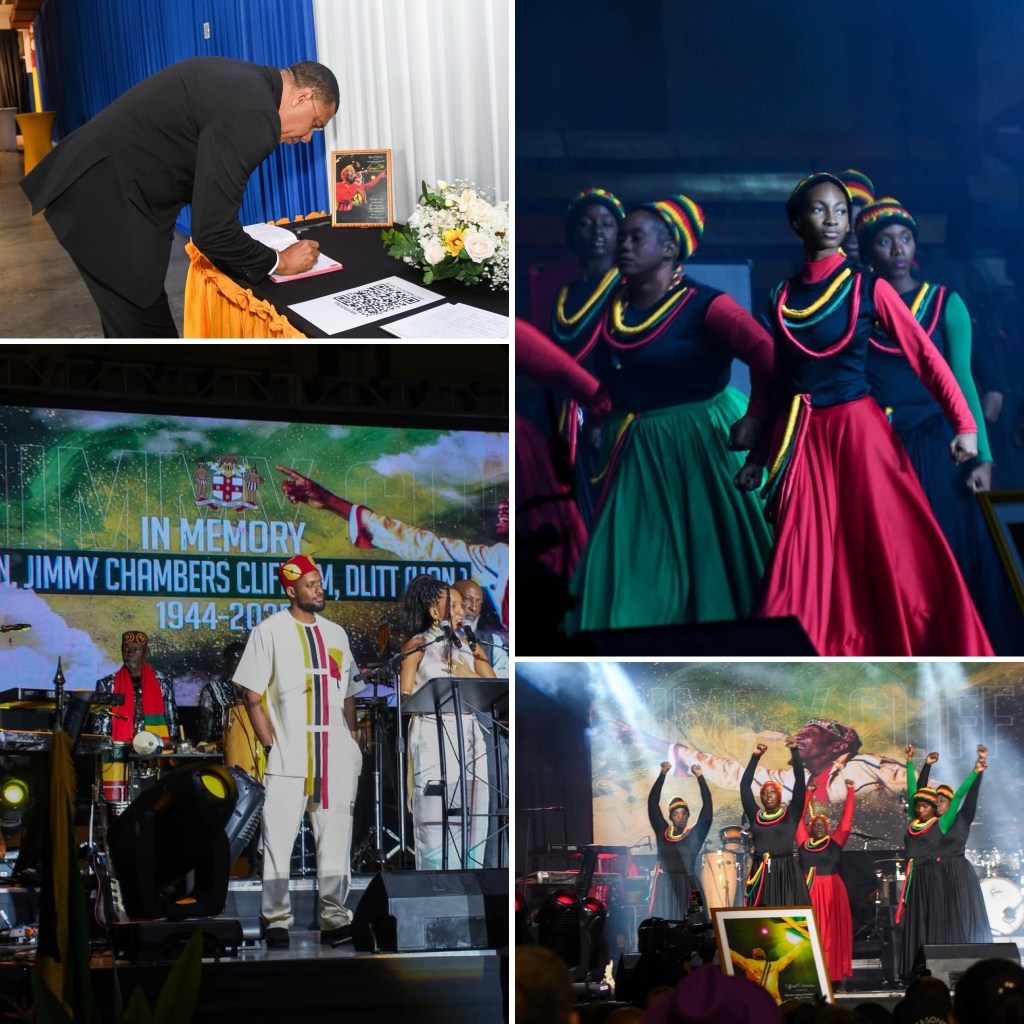


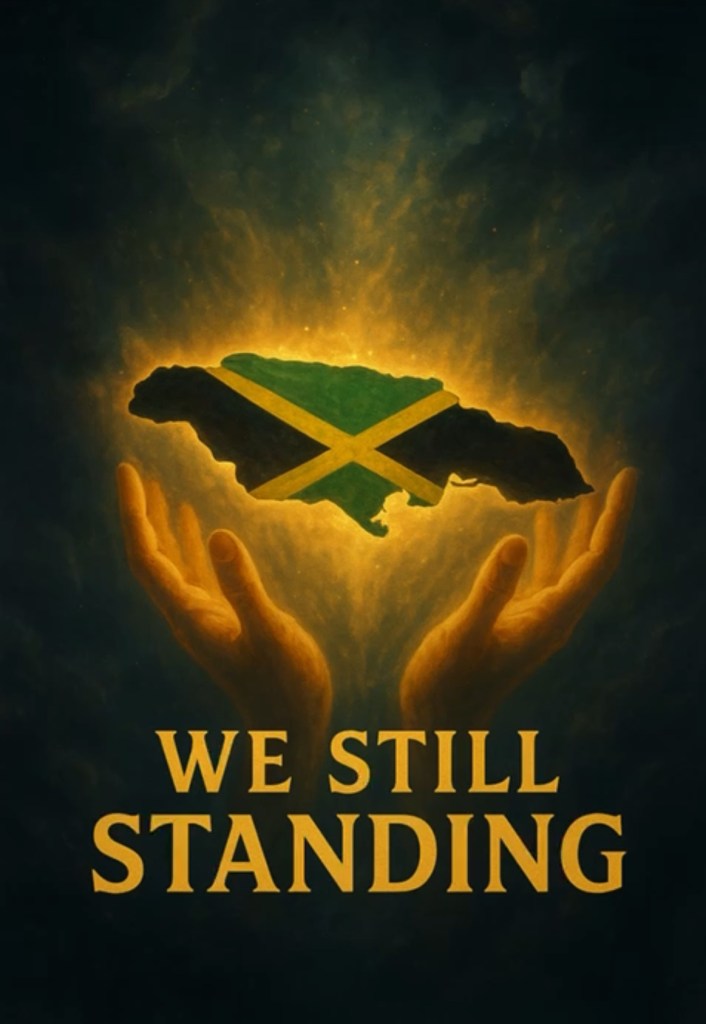


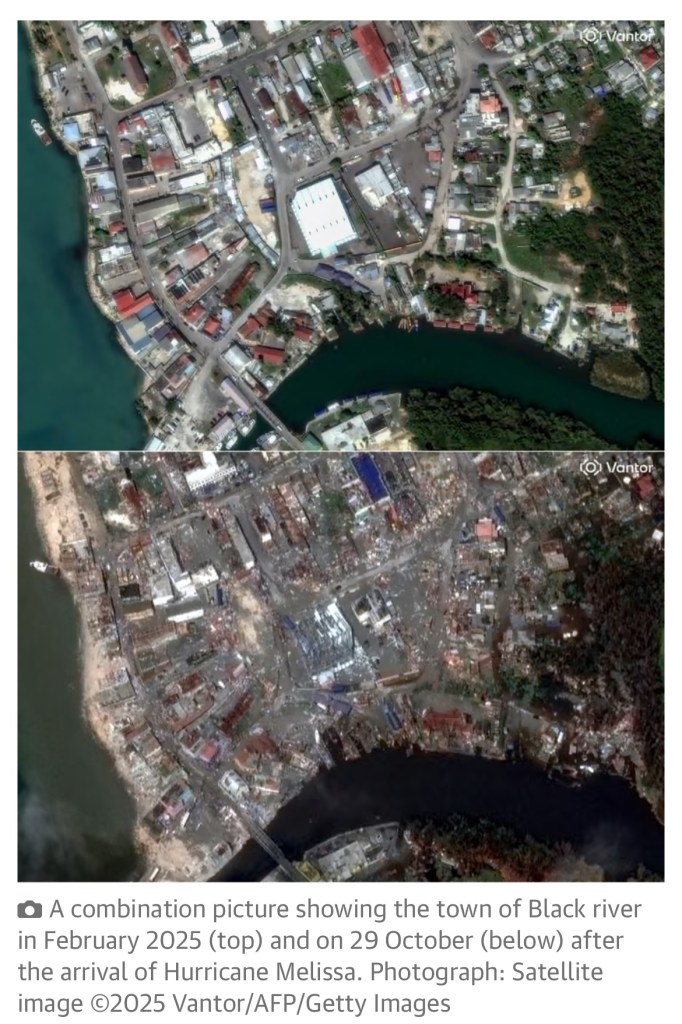

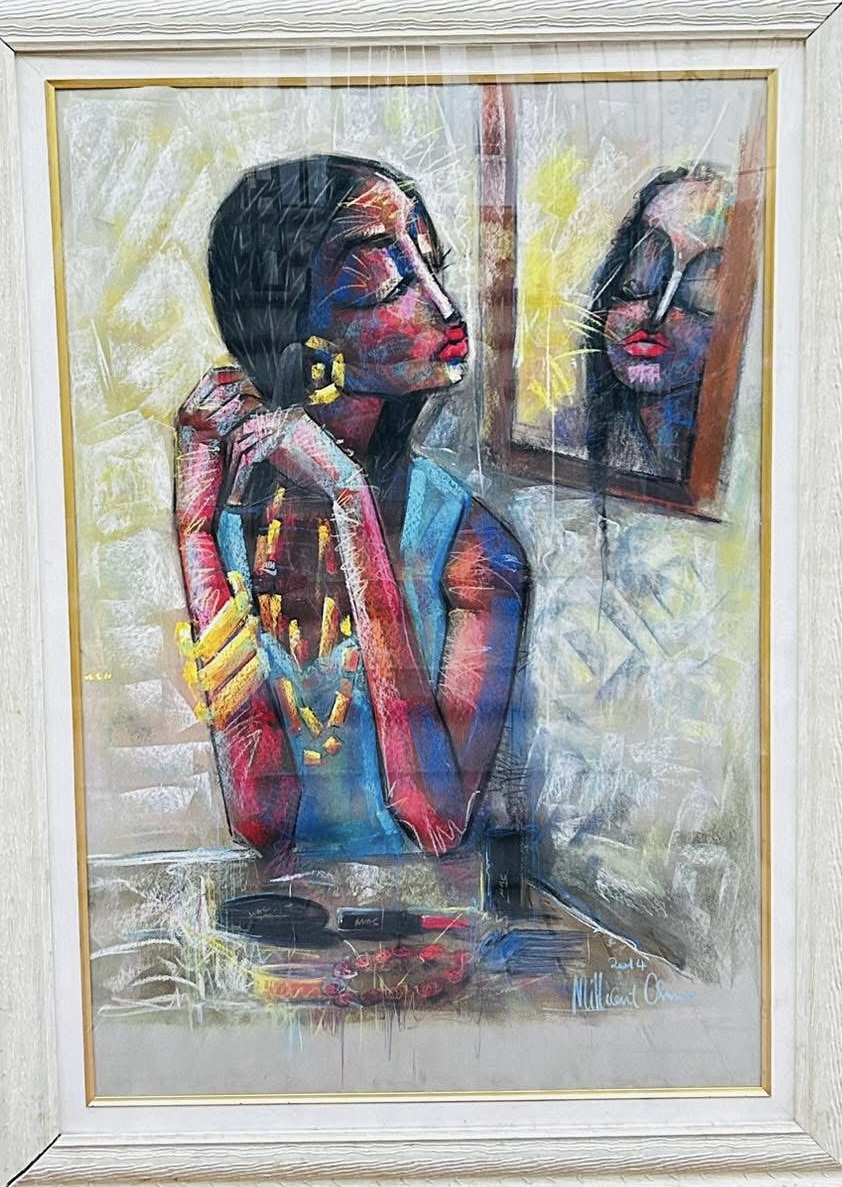





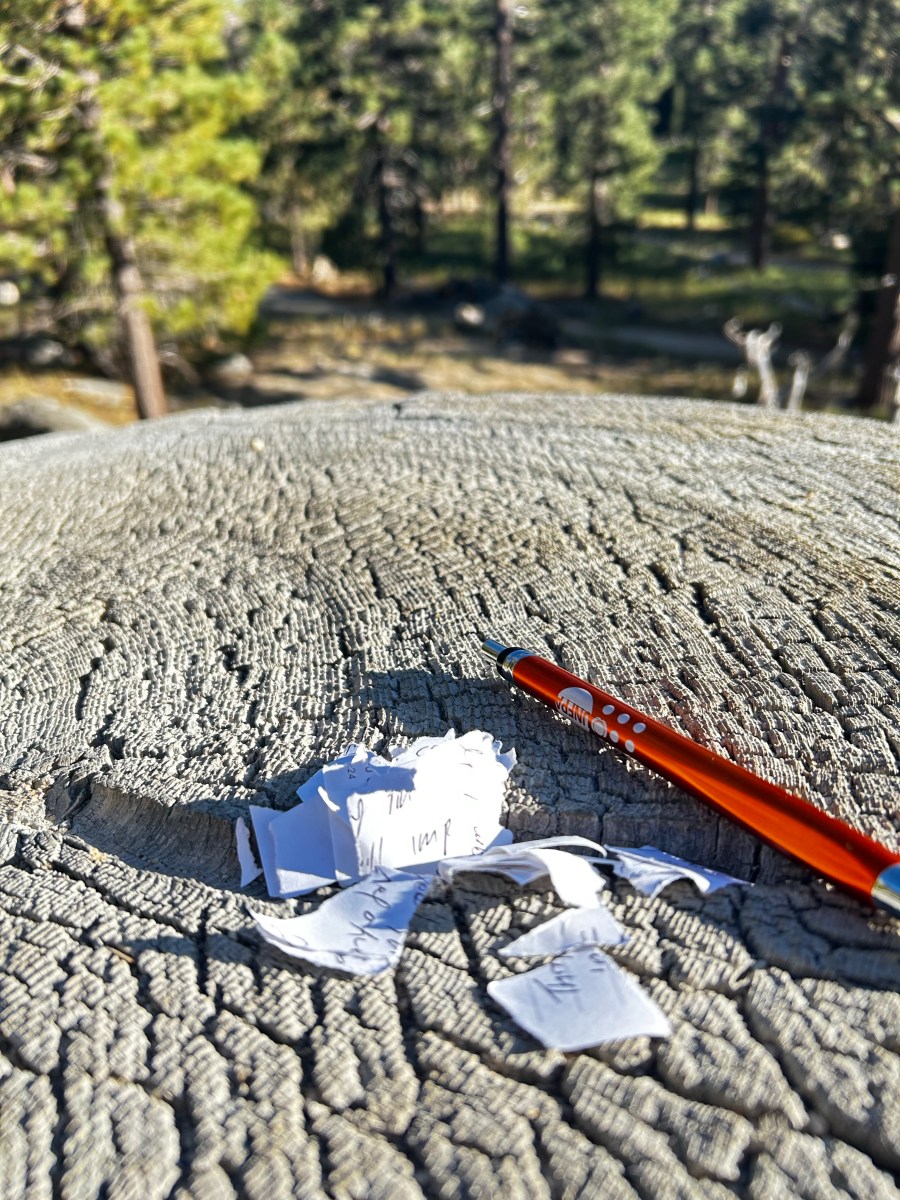


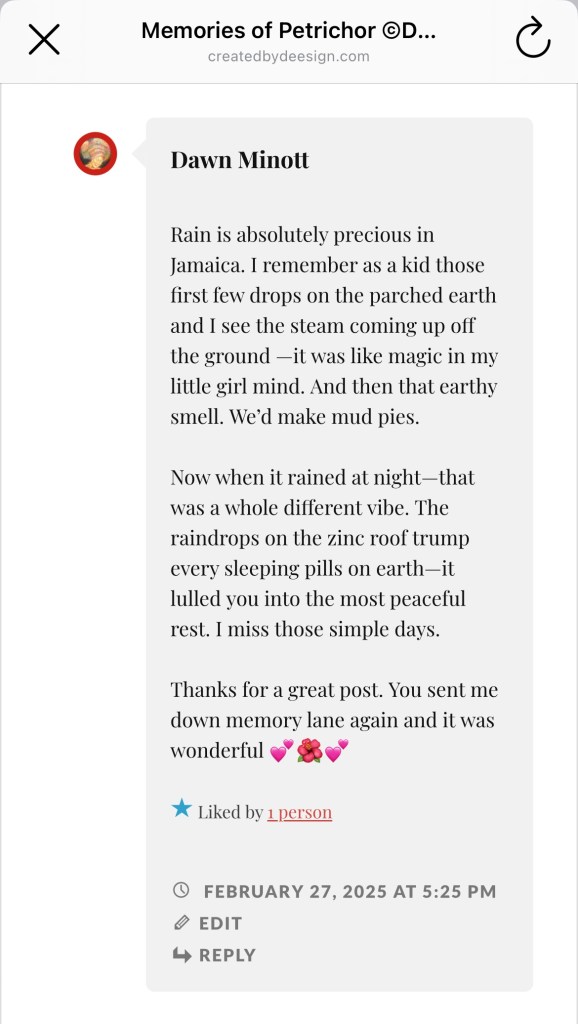




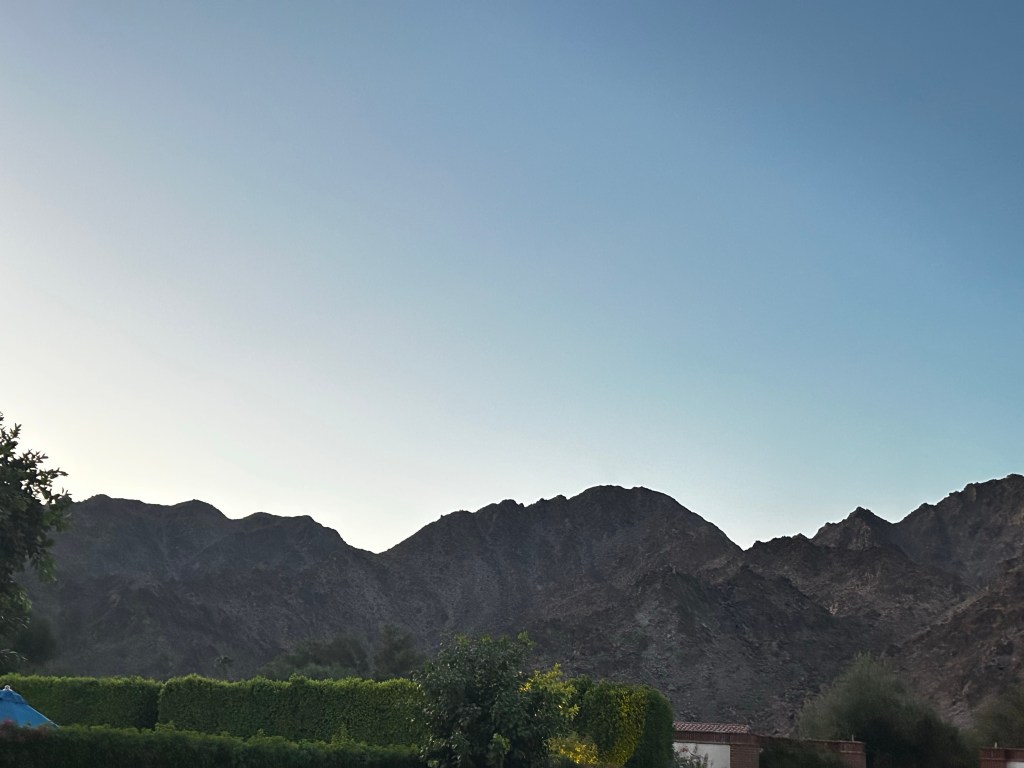






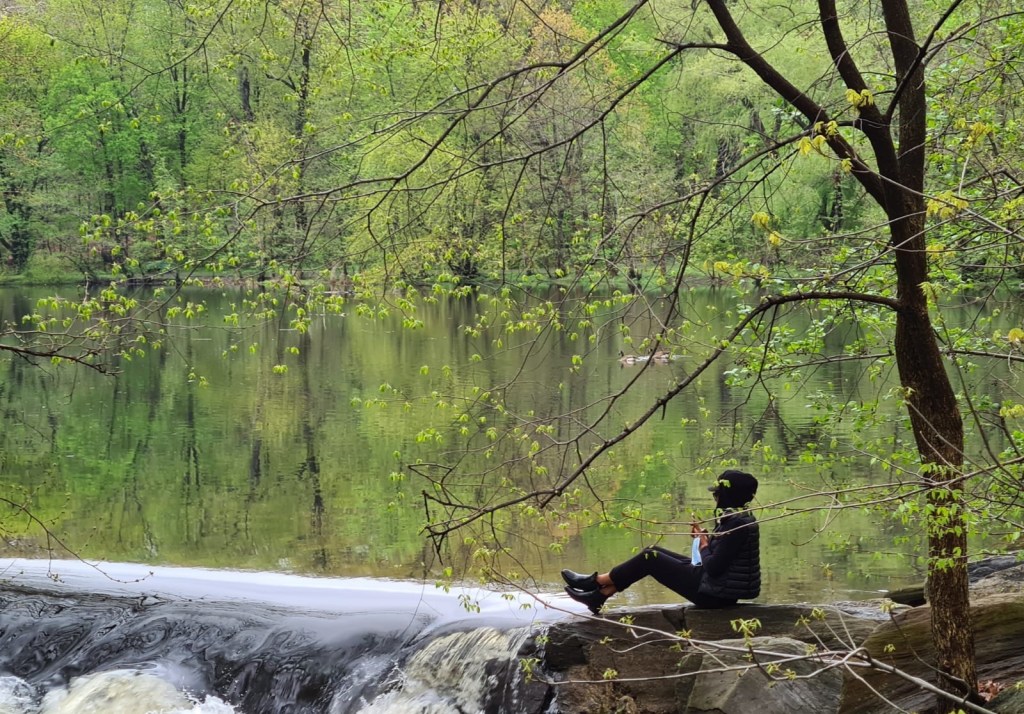



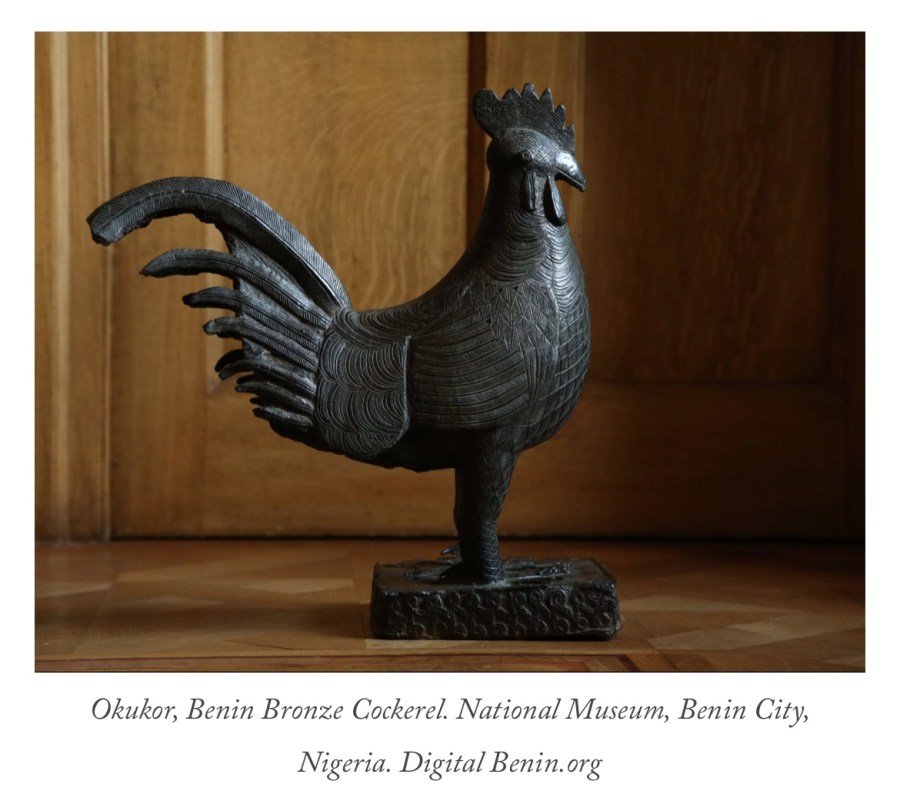

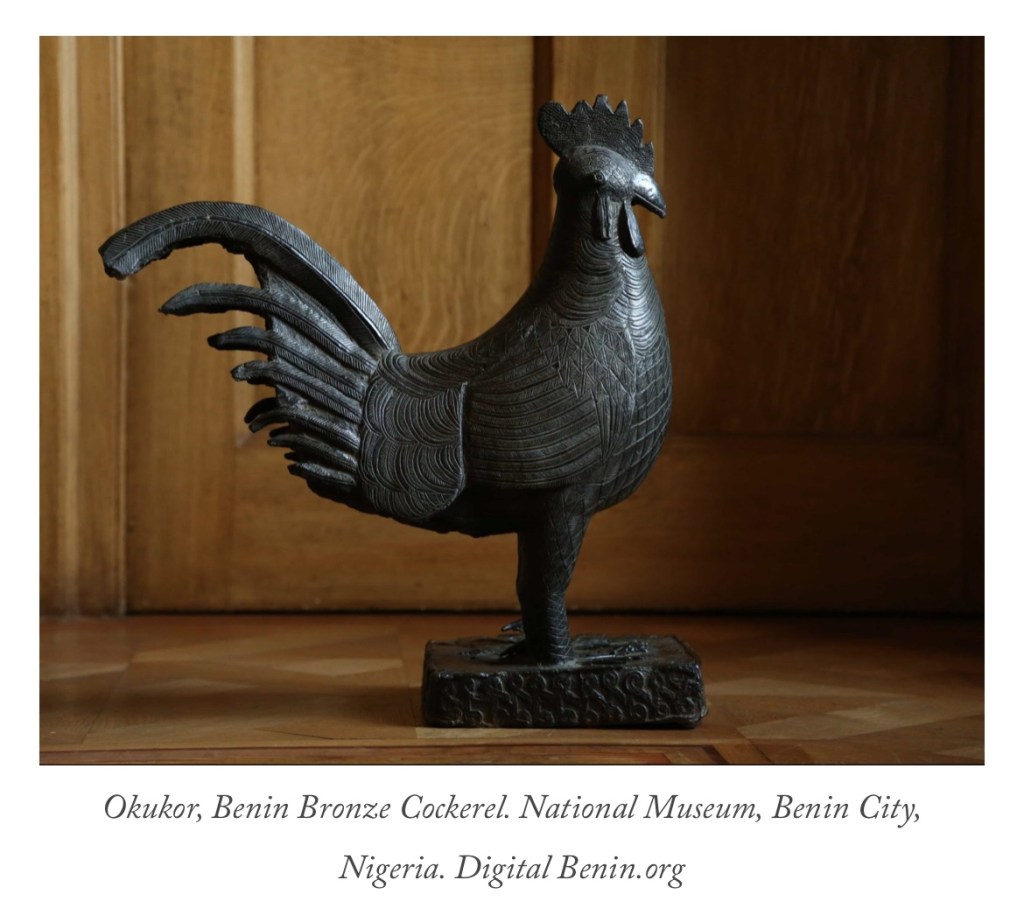
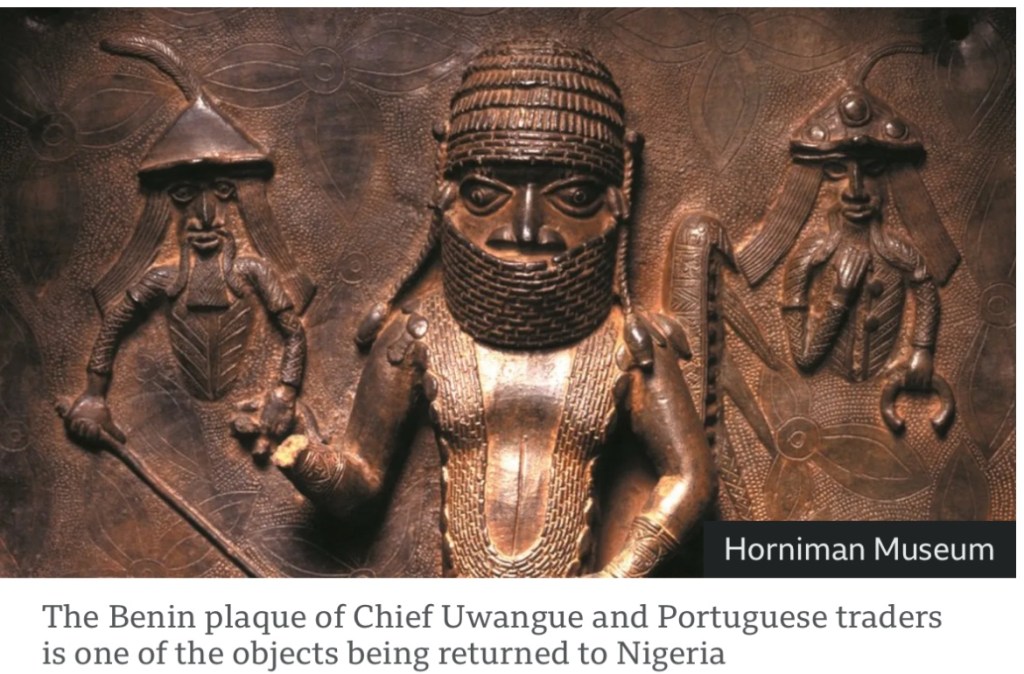
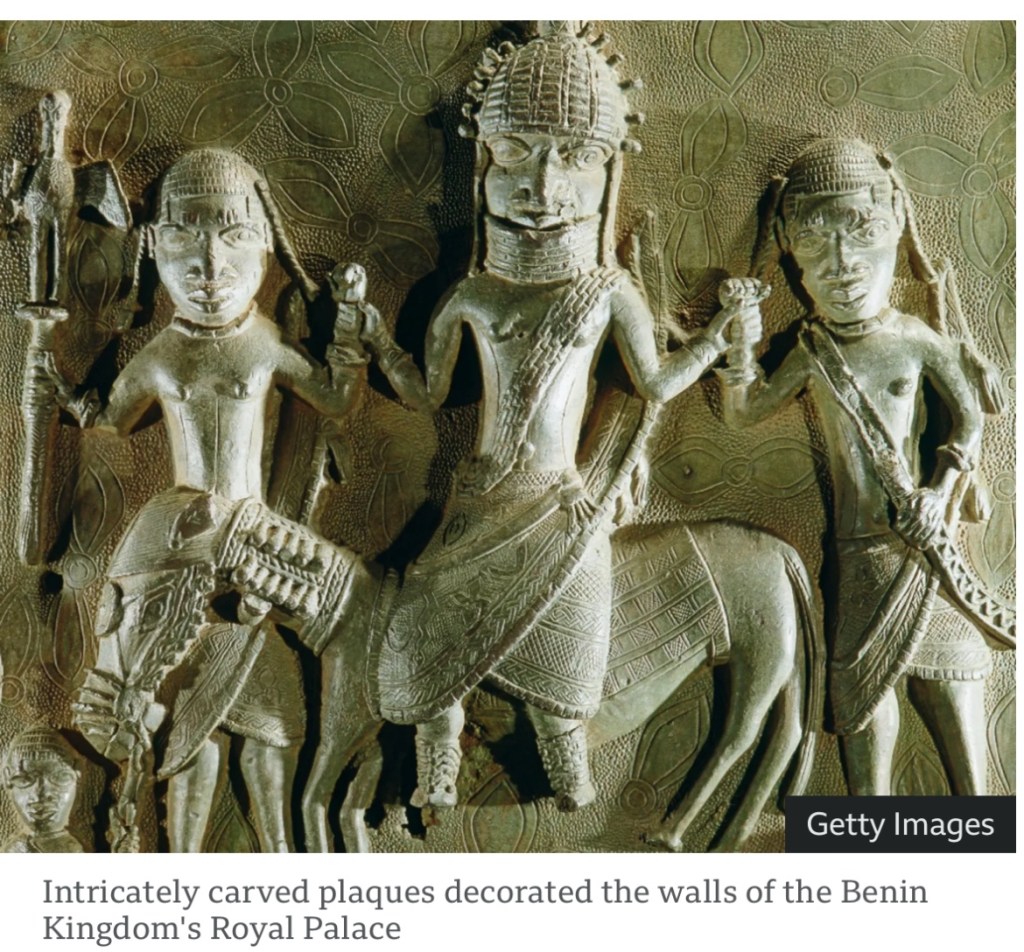
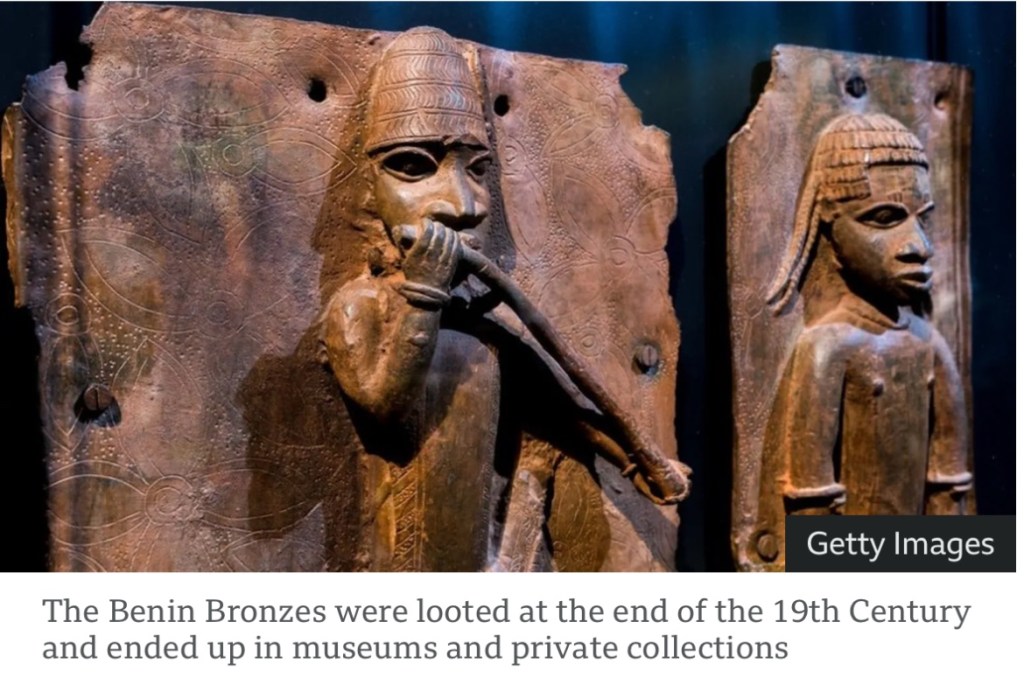
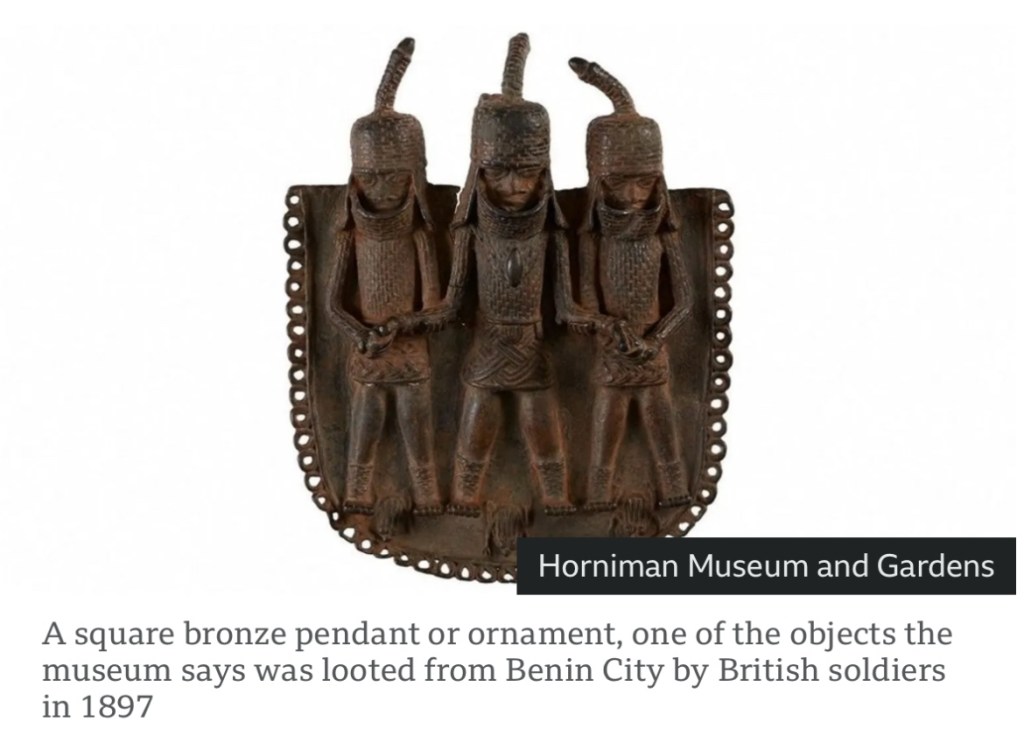
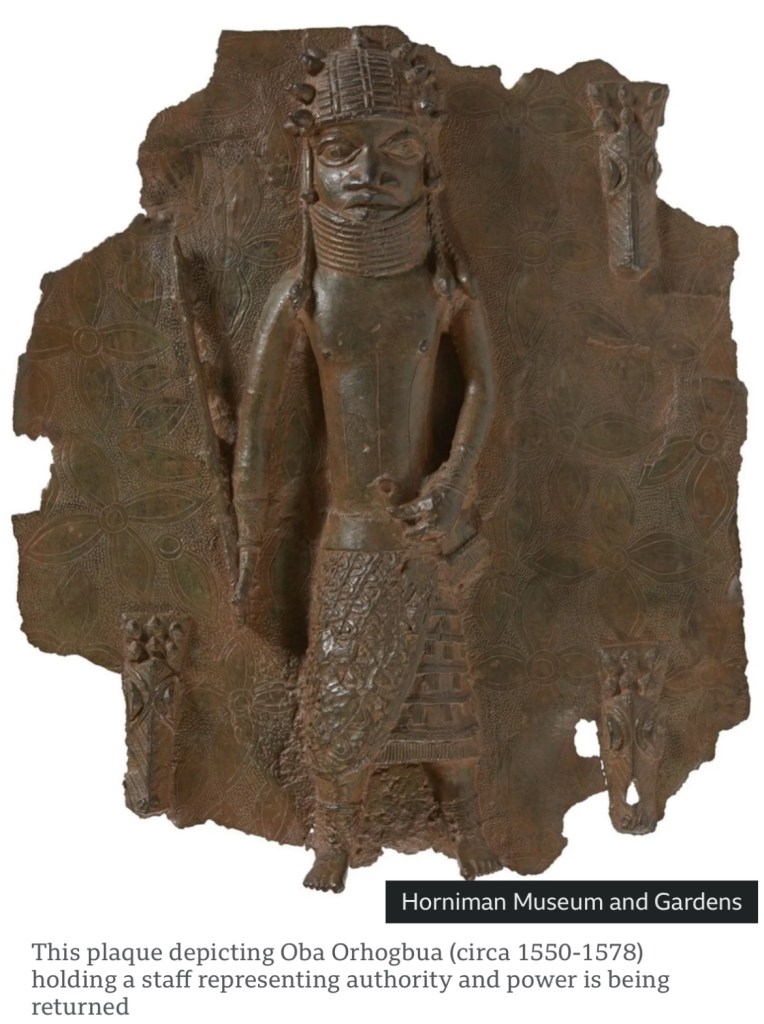


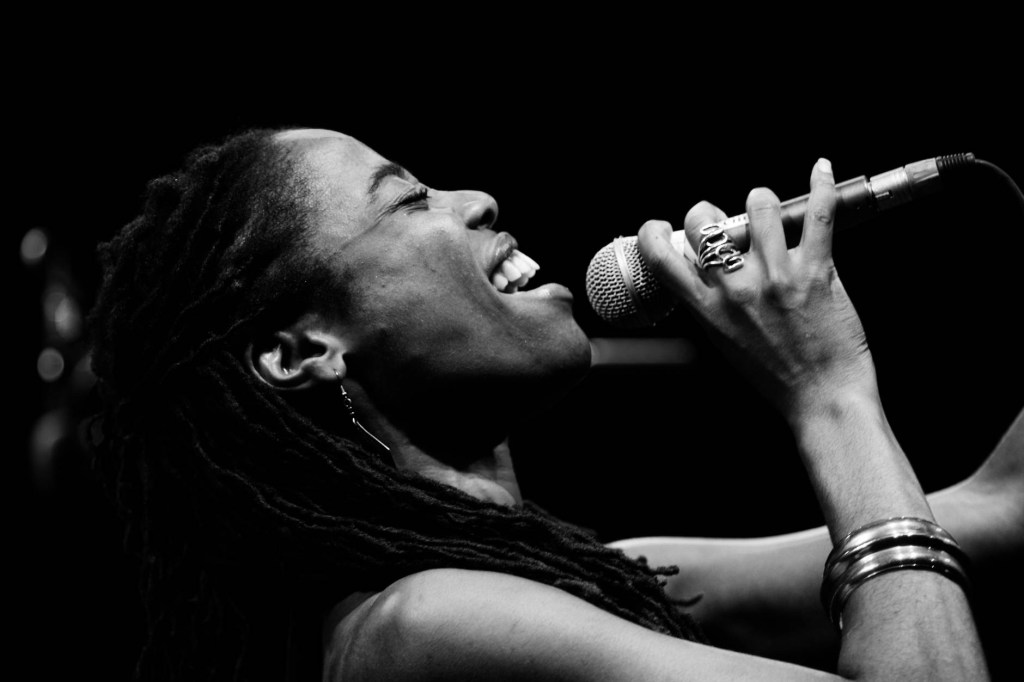
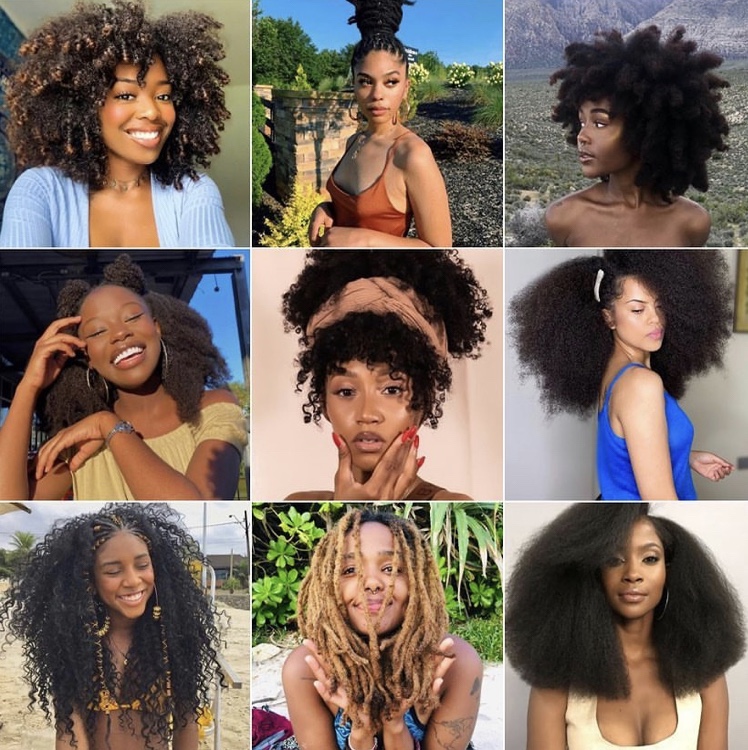
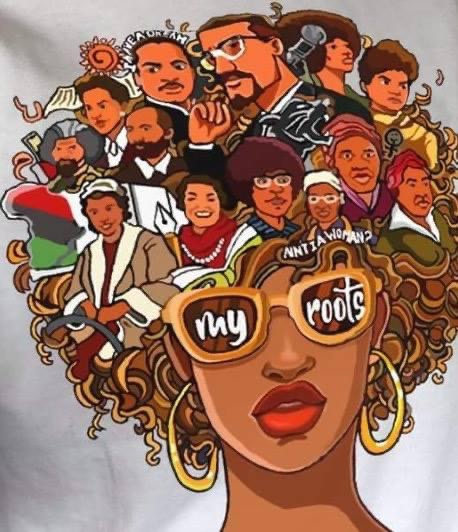

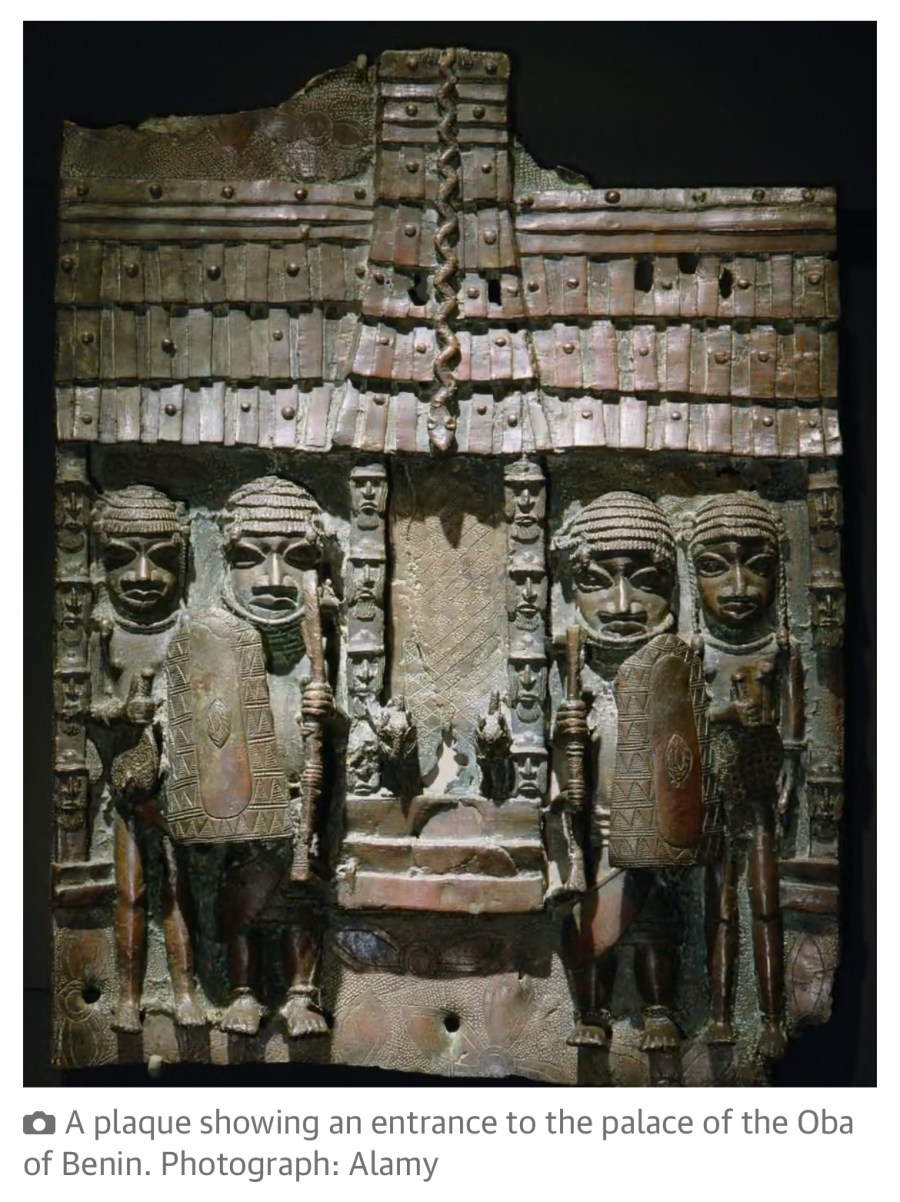

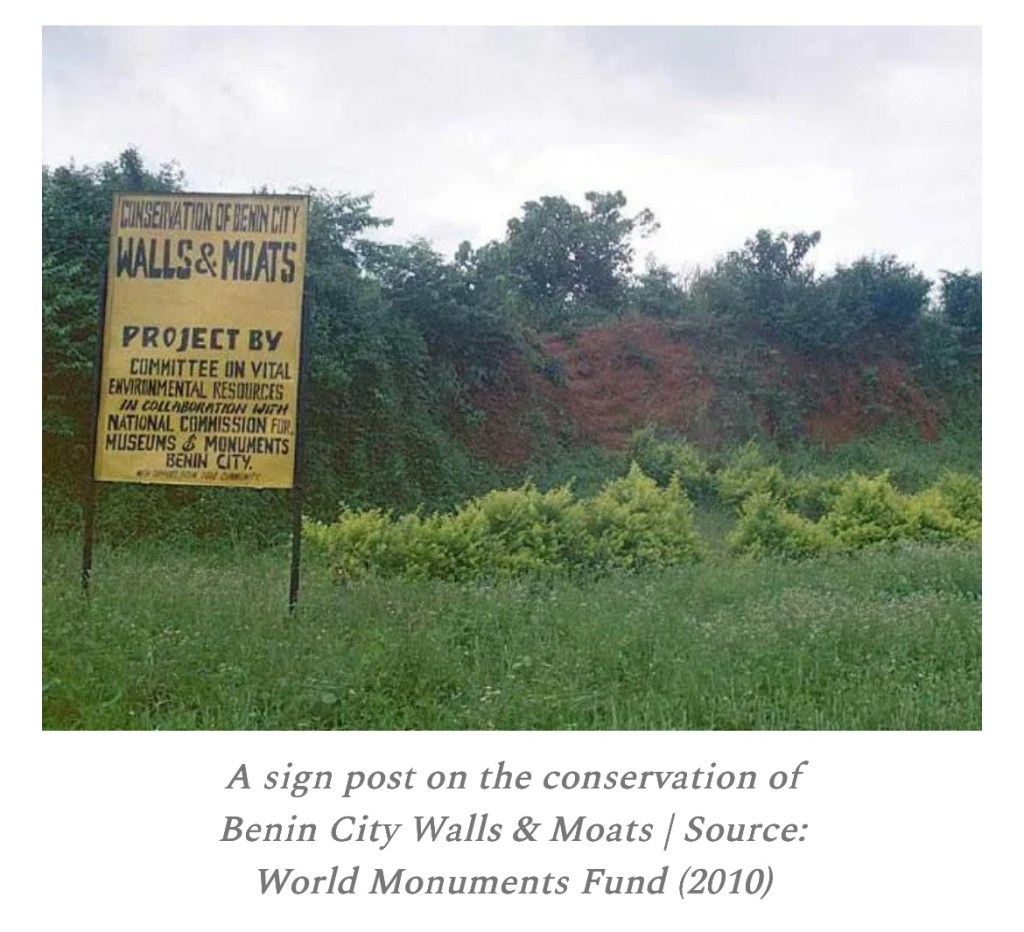









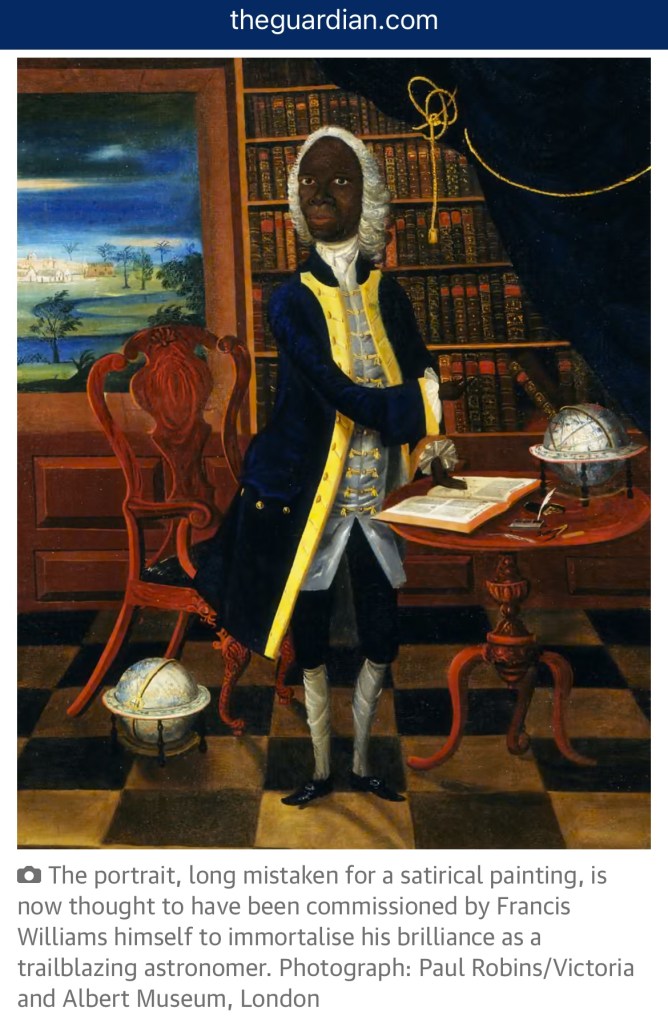


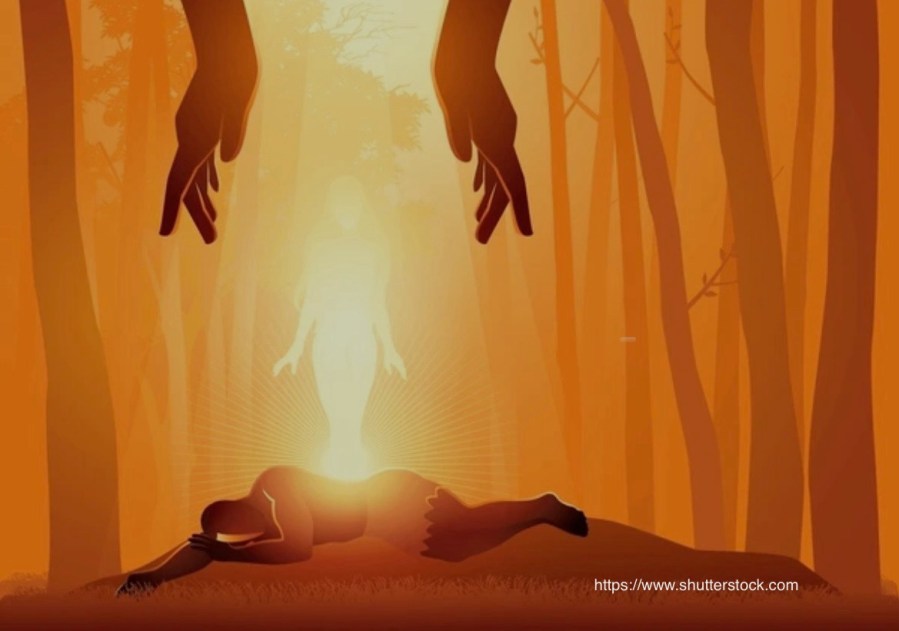
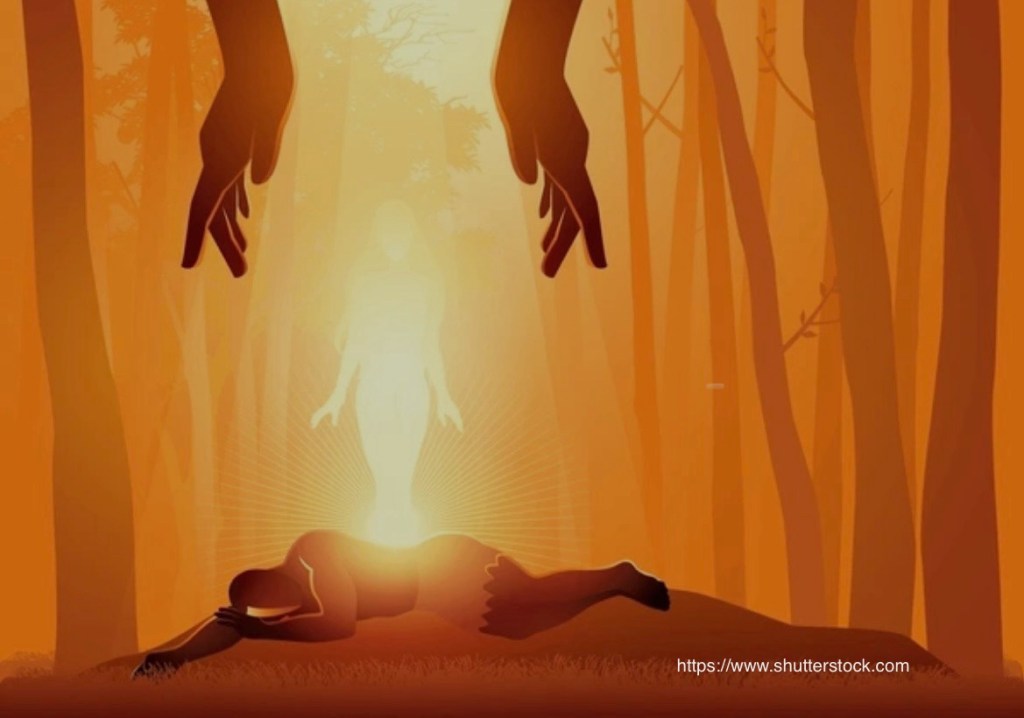
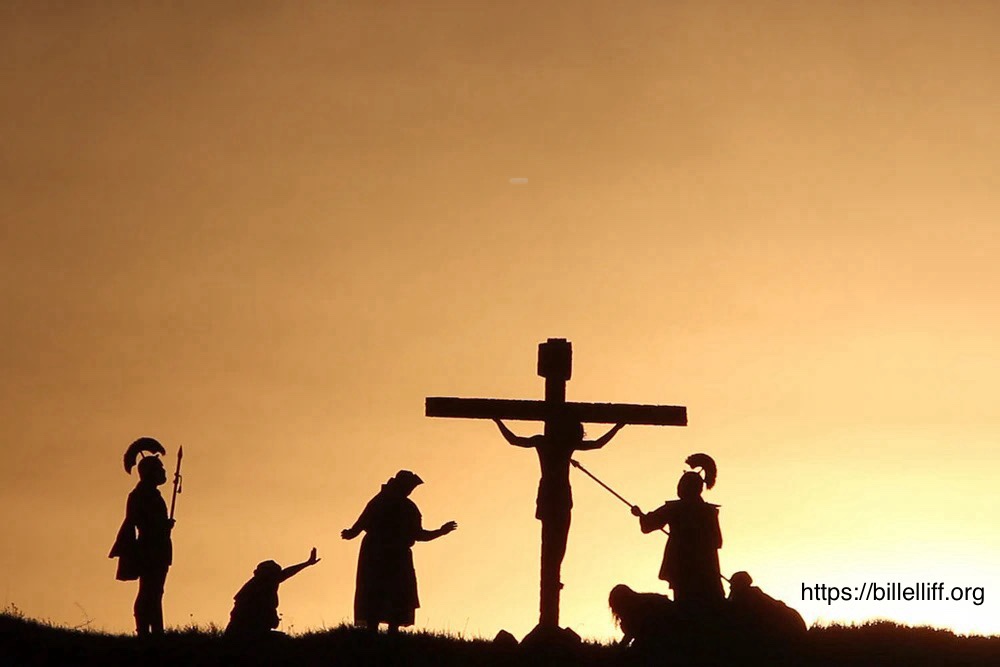


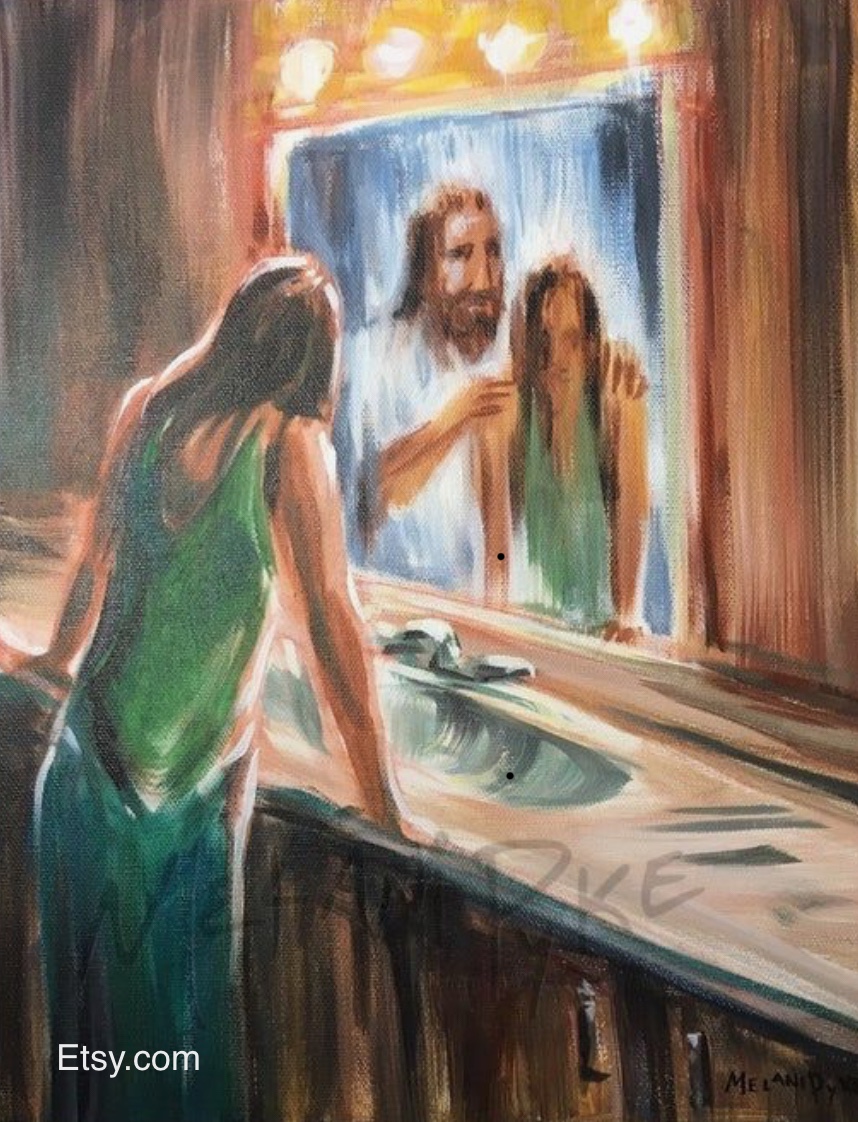









 Poems & More