
According to the BBC, “micro-cations”—short breaks lasting two to four days—are reshaping how people take holidays. These trips are designed to feel like a holiday in a tight timeframe. They work best when you’re intentional and have a thematic focus.
Kenya is proving to be the perfect place for effortless micro-cations
These short escapes have been about more than taking a break. They’ve been about creating memories, gaining fresh perspective, rediscovering joy in nature, and protecting my peace.
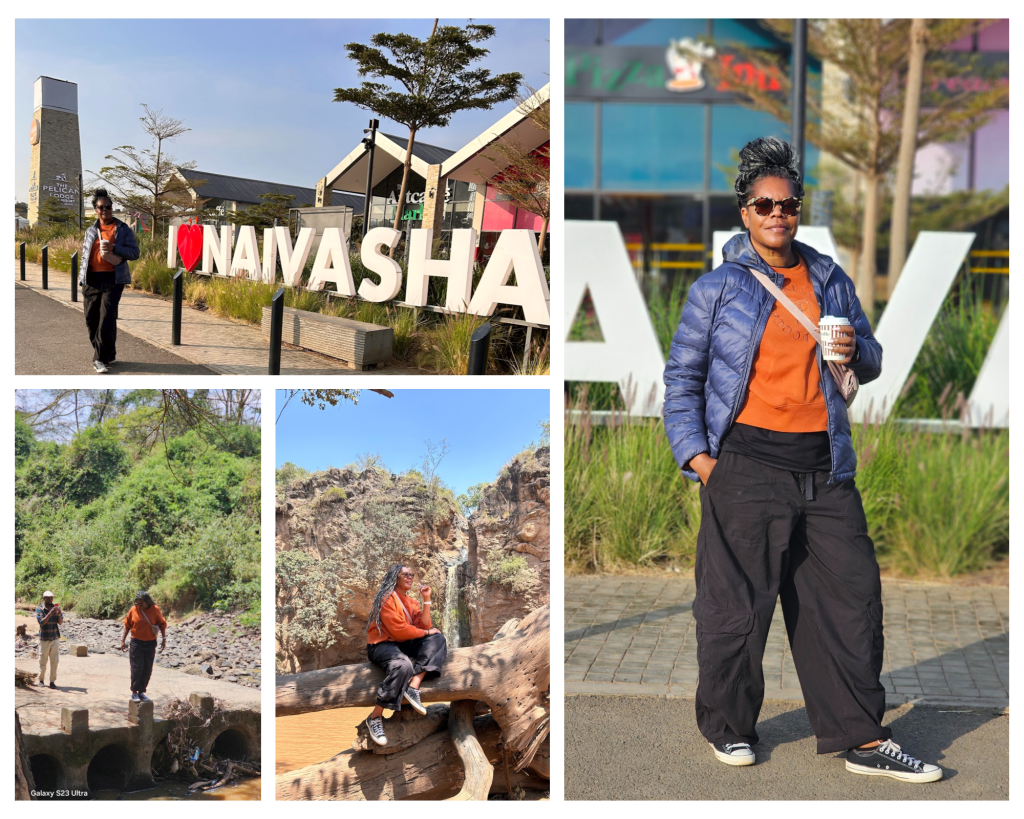
When I need to clear my head, a change of scenery is only a two- or three-hours drive away. Whether it’s Nakuru, Naivasha, or another corner of this beautiful country, a couple of nights away is often all it takes.
On this trip, I ventured with like-minded friends to Nakuru and Aberdare for a safari experience.
The more I take these trips, the more grounded they make me feel
I’m a big National Geographic fan, and on these safari drives I get to see—not through the lens of someone else’s camera, but with my own eyes—elephants, giraffes, buffaloes, zebras, rhinos, lions, antelopes, gazelles, monkeys and a myriad of birds moving freely in their natural habitat, flittering in the air or drinking at watering holes against breathtaking landscapes that stretch as far as the eye can see.
This particular micro-cation took me to both Lake Nakuru National Park and Aberdare National Park.
Lake Nakuru National Park
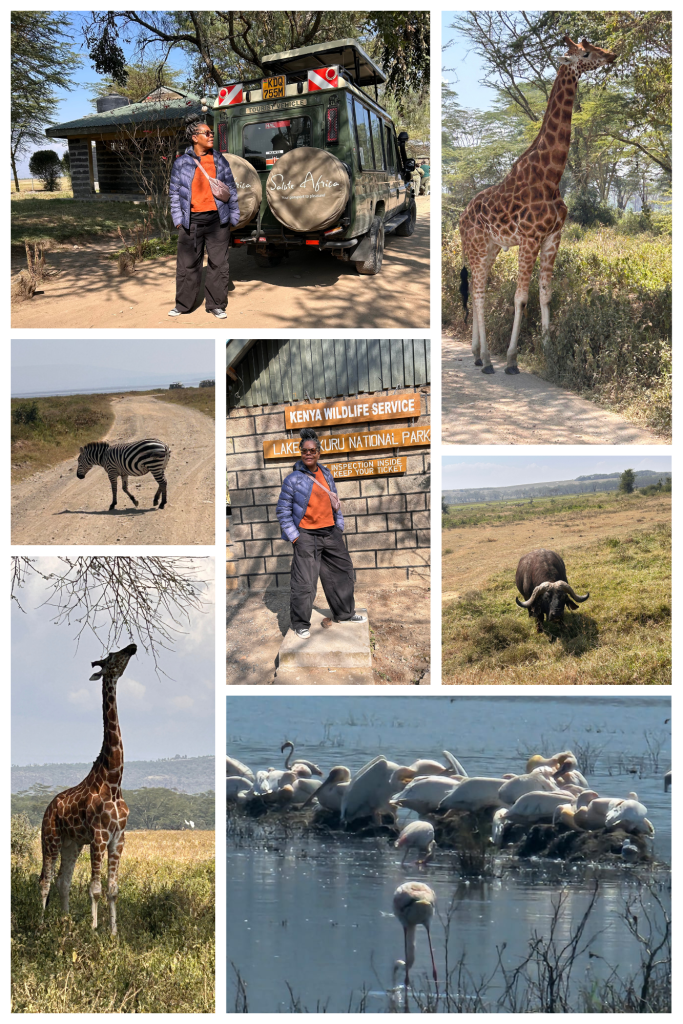
This park lies about 100 miles northwest of Nairobi in the Great Rift Valley, roughly a three-hour drive. Our route took us through Naivasha, with stops at dramatic viewpoints overlooking the Rift Valley. While the elusive rhinos, lions, and leopards remained hidden during our visit, Rothschild’s giraffes and buffaloes were on full display. And instead of the seasonal flamingos that Lake Nakuru is known for, pelicans lined its shores. Nakuru was open savannah, lake views, and the classic safari experience.
Aberdare National Park
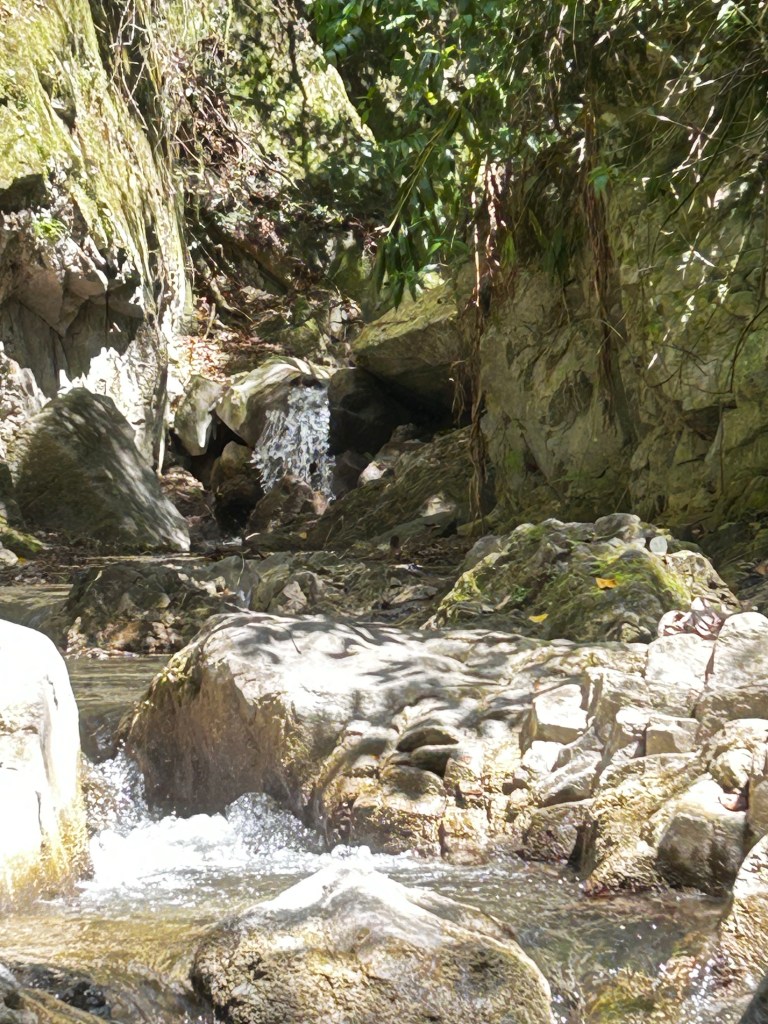
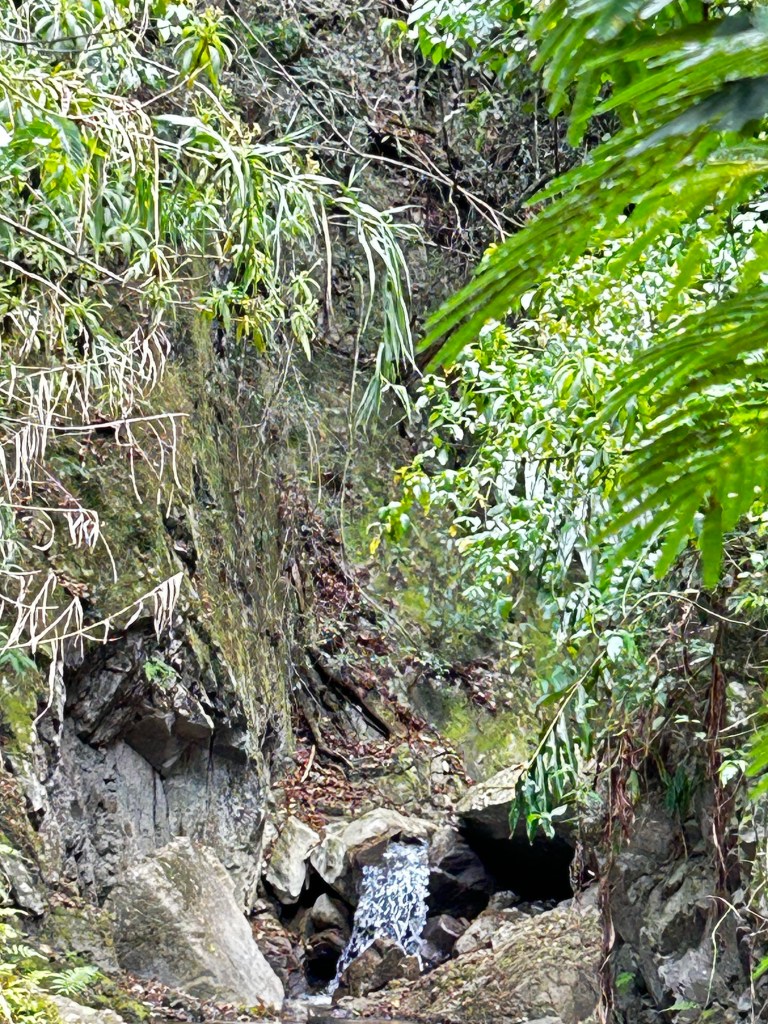
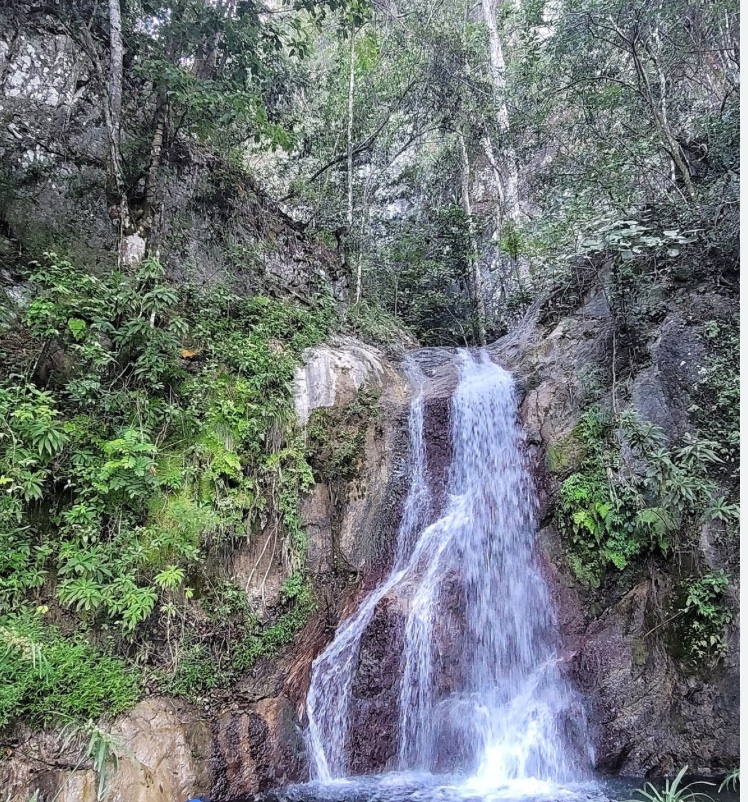
On the other hand, Aberdare National Park felt almost mystical. Misty forests, waterfalls, mountain scenery, and cool, crisp air create a very different experience. Wildlife was even more elusive here.
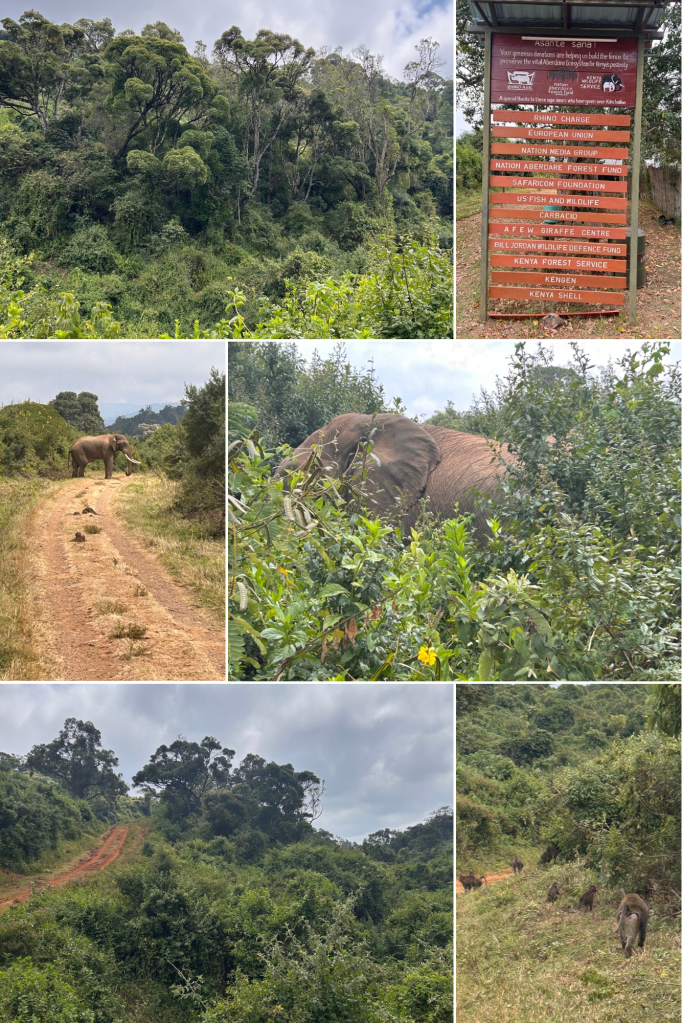
Only elephants, monkeys and one lone buffalo chose to reveal themselves, but the scenic drive through the forest and the refreshing mountain air were more than enough to make the weekend worthwhile.
Location. Location. Location.
For this micro-cation, I had the opportunity to experience three of Kenya’s premier safari properties: the sister hotels: Aberdare Country Club and The Ark Lodge, along with Lake Nakuru Lodge.
The Ark Lodge
The Ark is a nature lover’s dream come true.
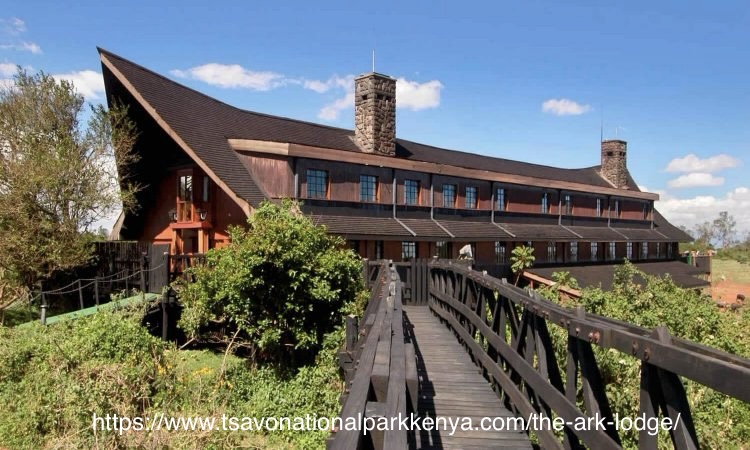
Built to resemble Noah’s Ark and appears to be floating amidst the forest, this quirky hotel overlooks a watering hole and salt lick that attract a steady procession of wildlife. From the viewing decks—and even from the dining room—you can watch animals come and go in their natural environment.
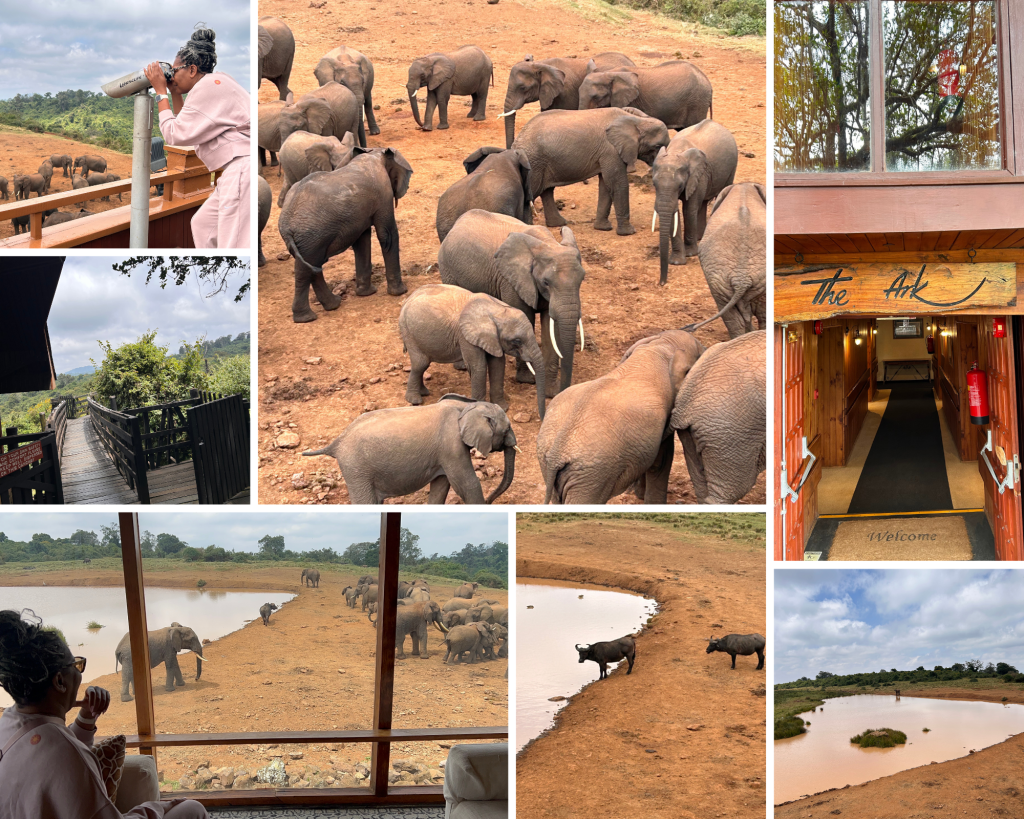
Its biggest attraction is you don’t have to leave the lodge for the wildlife to come to you.
Aberdare Country Club
Aberdare Country Club, by contrast, is distinctly colonial in style, with stone buildings, fireplaces, wood-paneled lounges, and cozy indoor and outdoor sitting areas. Set on a sprawling estate nearly 7,000 feet above sea level on the slopes of the Aberdare Range, the hotel offers views of rolling hills and forests.
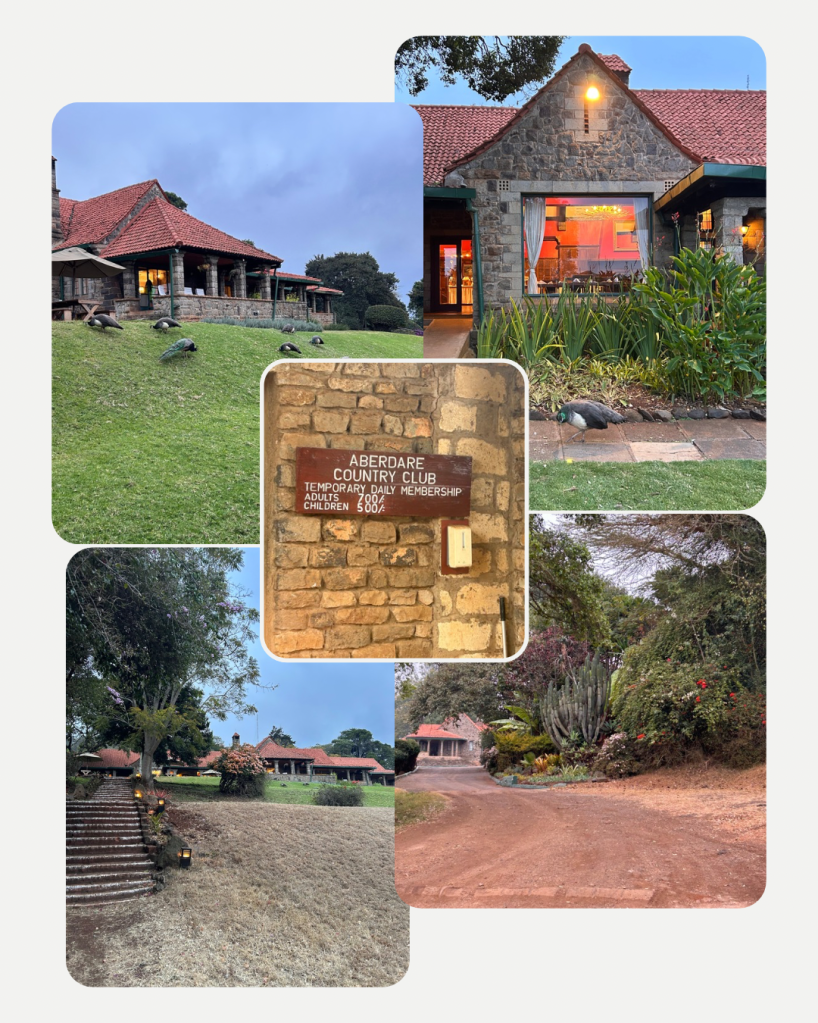
Imagine peacocks wandering through the gardens and soaring overhead; zebras grazing on the lawns; warthogs, impalas, and monkeys roaming freely across the grounds. Imagine horseback riding in the morning and a relaxing spa treatment in the afternoon. That’s Aberdare Country Club.
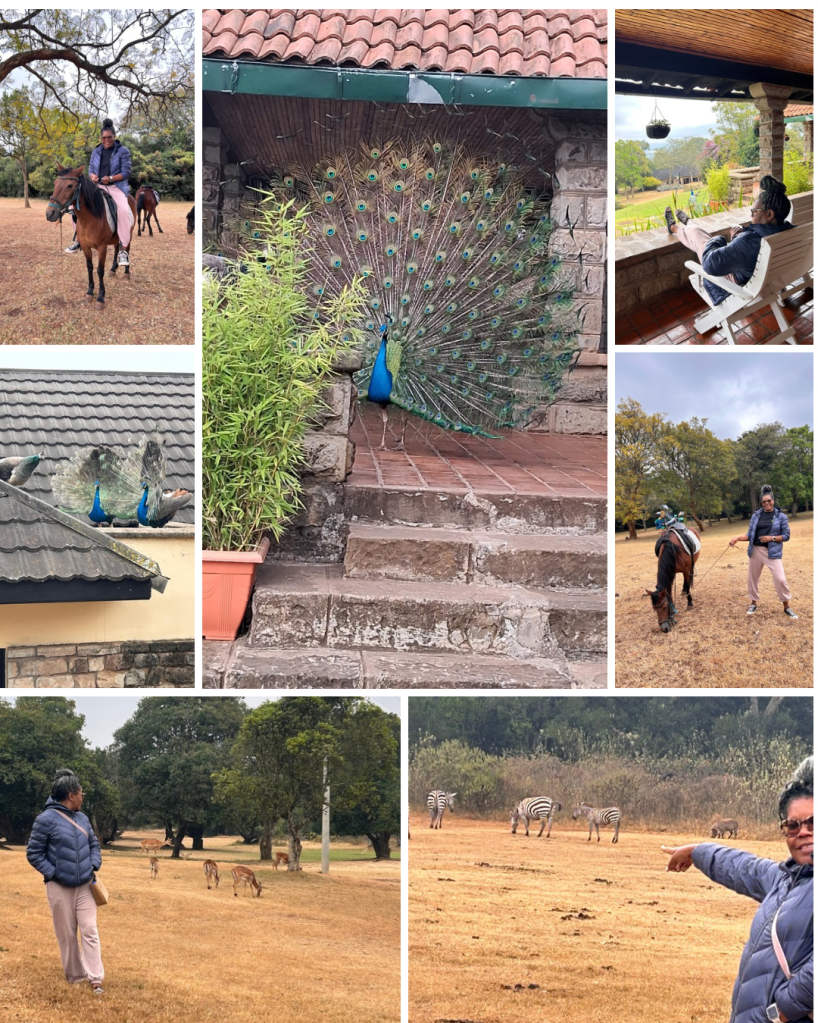
The hotel has the feel of a country manor, complete with crackling fireplaces that are perfect for Kenya’s cooler highlands. Falling asleep to the warmth of a fire and waking to the sounds of nature is exactly what a restorative weekend should feel like—especially when your goal is to disconnect, slow down, and immerse yourself in the natural world.
Lake Nakuru Lodge
Lake Nakuru Lodge was our lunch stop after our game drive through Lake Nakuru National Park.
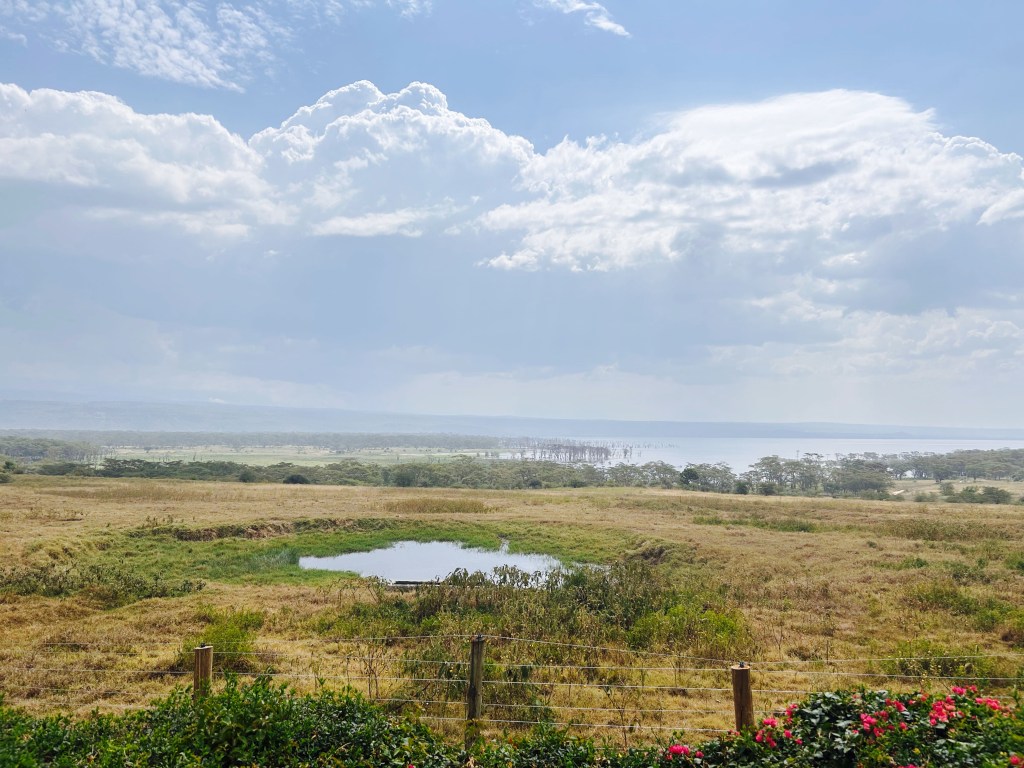
Perched on a hillside and one of the few lodges located inside the park, it overlooks the lake and surrounding landscape. Its proximity to the wildlife gives you the sense that nature is footsteps away.
Like-minded friends and a trusted travel agent and guide
Above all, I had the pleasure of sharing this micro-cation with like-minded friends. Great destinations become even more memorable when experienced in good company.
To date, I’ve trusted my safari adventures to Skyward Safari Adventures. The company is locally, youth-owned and has consistently delivered the kind of thoughtful, reliable service that keeps me coming back.
This trip, the owner surprised my friends and me with traditional Maasai blankets—a generous gesture that reflected genuine appreciation for his clients. It was also a practical gift, keeping me warm during the chilly nights in the Aberdare highlands.
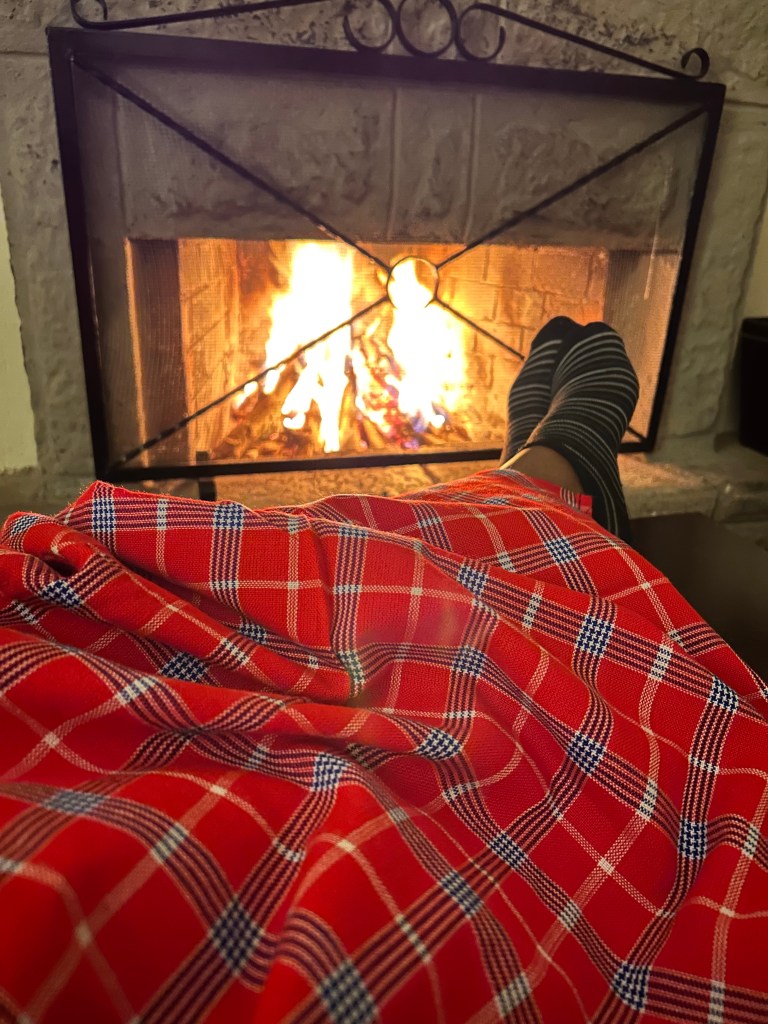
I’m grateful to call Kenya home and to have so much beauty within easy reach.
Sometimes the best reset isn’t a long vacation. Sometimes it’s simply a few days away, a change of scenery, and a reminder that peace can often be found just down or up the road.
2026 All Rights Reserved
Like what you see? To never miss a post click HERE👈 to subscribe & follow the blog. There’s more HERE👈 and on Spillwords, the Writers Club, Facebook & Bluesky.
In creative solidarity, Dee💡 Only WordPress.com members can hit the “Like” button, but everyone’s welcome to share their thoughts in the comments. Thanks!
















































 Poems & More