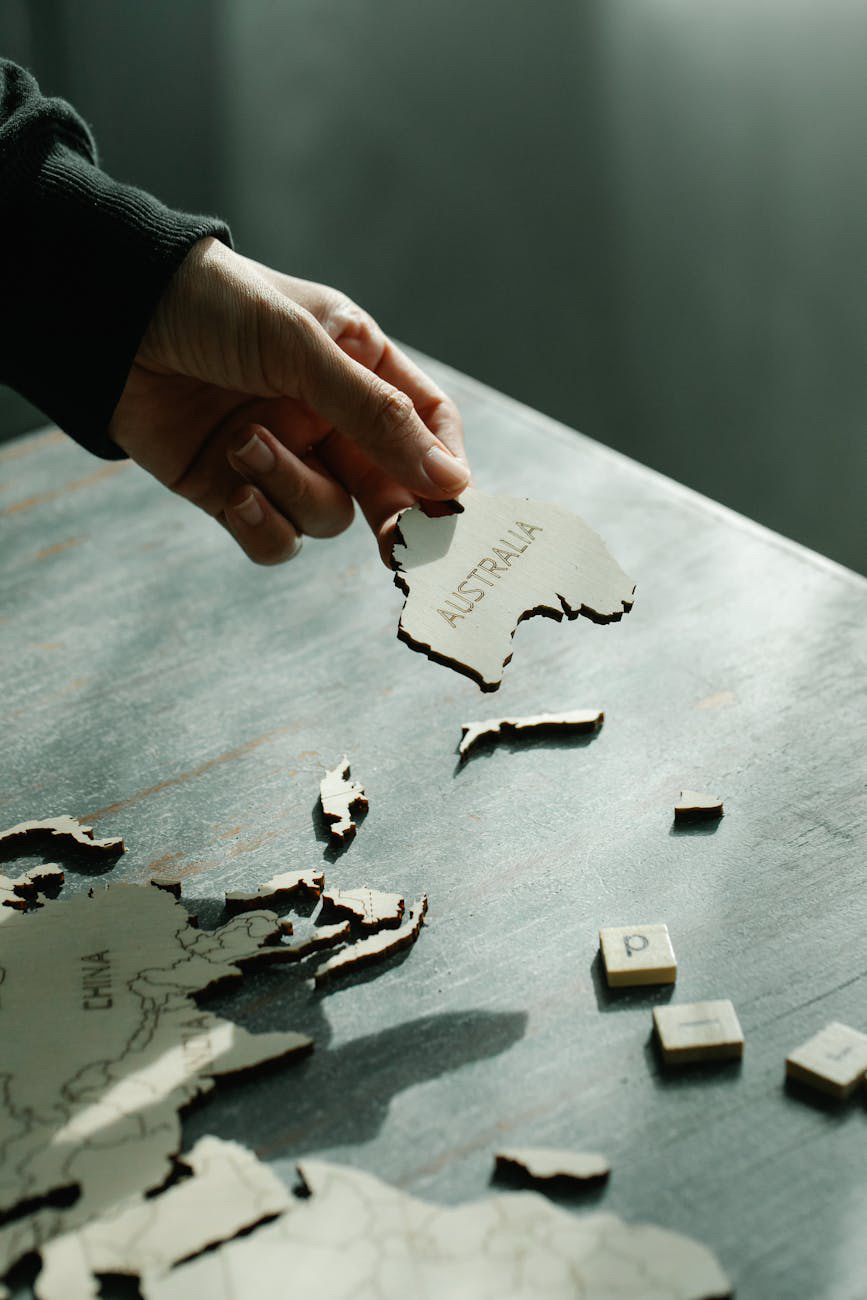
I’ve written quite a bit about my trip and visit to Australia. If you’ve read these posts — Tasmania, Bruny Island, Perth, Sydney, Melbourne — you may have noticed I made no mention of encounters with Aboriginal people.
Silence.
Unseen.
That wasn’t deliberate. It was unavoidable — I couldn’t write what I did not see or know how to name.
In all my experiences, in all the places I visited, I was struck by how little visible Aboriginal presence I encountered. I intentionally looked — on the streets, in the stores, in the everyday movements of public life.
That absence felt palpable.
And yet, what was very present was the Welcome to Country or Acknowledgement of Country— a statement recognizing the Traditional Custodians of the land. No meeting or public event started without it. It echoed across media, institutions, performances, and gatherings.
For Bruny Island, someone might say:
“I acknowledge the Nuenonne people of the South East Nation, Traditional Custodians of Bruny Island (Lunawanna-alonnah).”
Or in Melbourne:
“I acknowledge the Traditional Custodians of the land on which we gather today, the Wurundjeri Woi-wurrung people of the Kulin Nation.”
I appreciated the practice. I still do.
But I also wrestled with the tension of it. The tension that made me ask:
- What does it mean for a people to be acknowledged in words while their presence felt so unseen?
- How do you admire a country while also recognizing histories of displacement, dispossession, and attempted erasure?
Because appreciating a place and acknowledging injustice are not contradictions.
Australia gave me breathtaking coastlines, museums, architecture, wildlife, gardens, art, and moments that genuinely moved me. I stood in awe at the Sydney Opera House. I wandered through Tasmania’s quiet beauty. I watched kangaroos casually occupying golf courses as if they paid membership dues. Australia did not disappoint.
But admiration does not mean amnesia.
In the same way I expressed the duality of the 12 Apostles, that beauty and destruction often occupy the same landscape, the same is true of the absence-and-acknowledgment contradiction I observed in Australia.
And, nowhere did this sit more heavily with me than in the story of Truganini. It was relayed in pieces by the tour guide on my Bruny Island tour. My intrigue led me to research Truganini’s story.
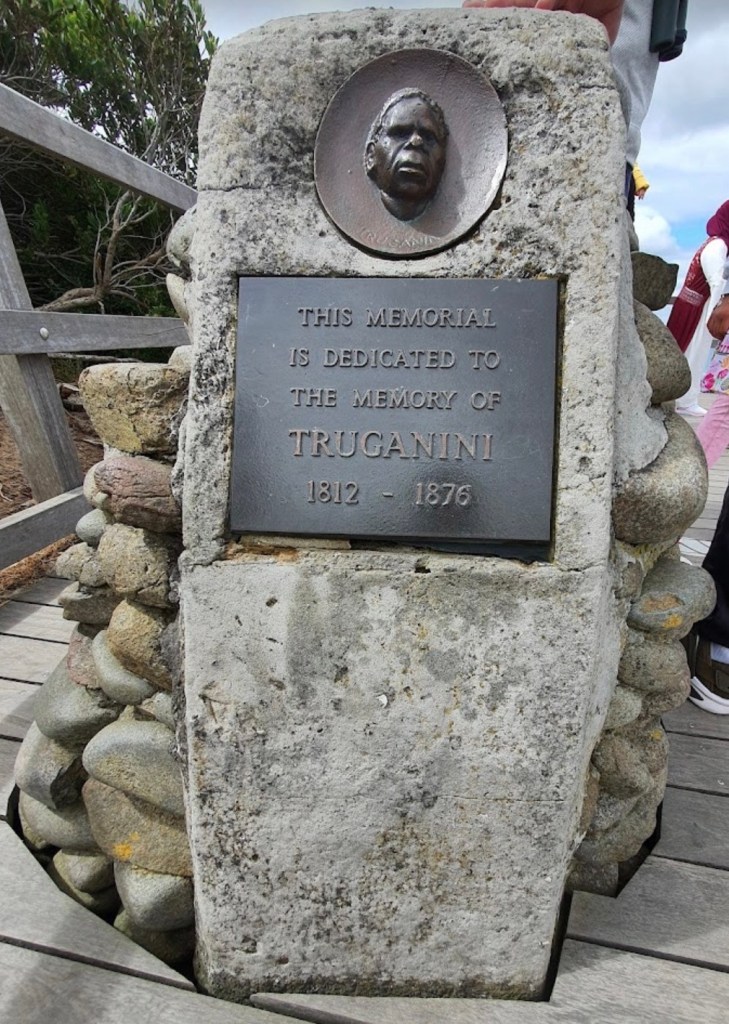
Born around 1812, Truganini was a Nuenonne woman from Bruny Island, often remembered as one of the last survivors of her people after colonization devastated Aboriginal communities in Tasmania. She lived through profound violence and displacement. Family members were killed. Land was taken. Her people were pushed to the margins of the very place that had sustained them for generations.
Before her death in 1876, Truganini made a simple but profound request: that her body be treated with dignity and not exploited after death. She feared being displayed as a curiosity.
Yet her wishes were ignored.
Her remains were exhibited publicly for decades in a museum — a final indignity after a lifetime marked by dispossession. It would take many years before her ashes were finally returned to the sea near her ancestral homeland, fulfilling, belatedly, the dignity she had requested all along.
As part of my visit I took the 279-step climb to Truganini Lookout and for me, each step felt like a blow-by-blow walk into history.
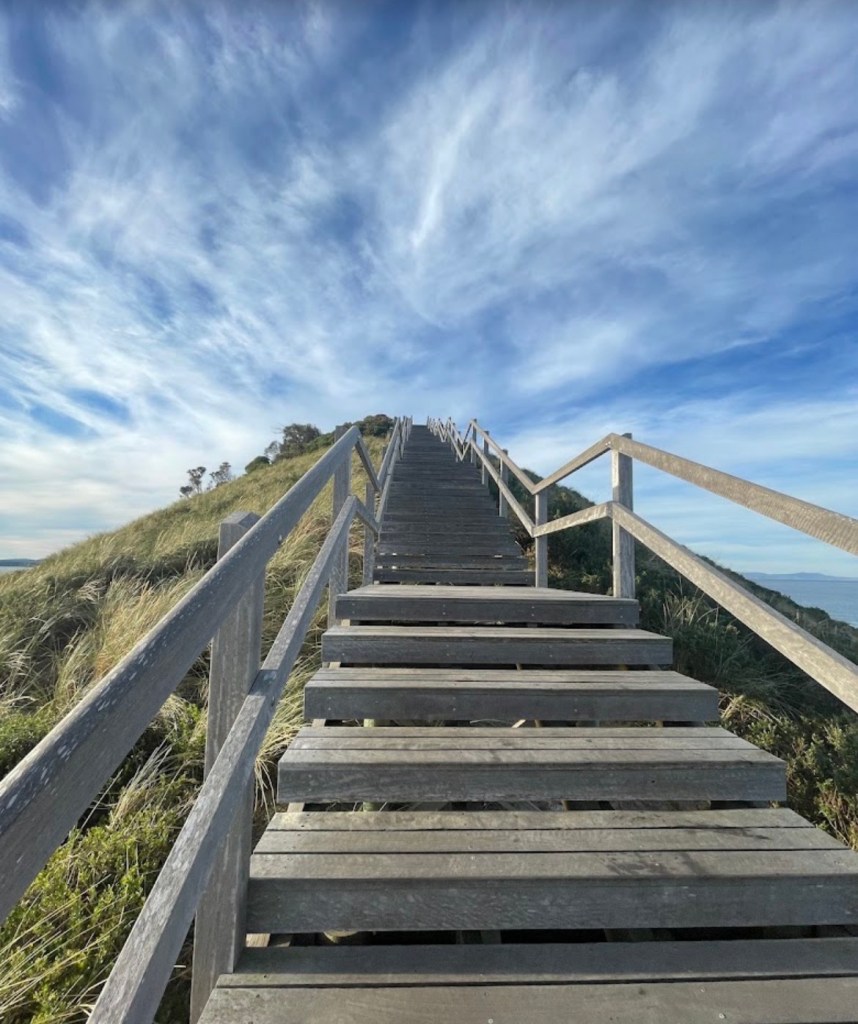
At the top, there is an unobstructed view of the island stretching out in both directions — narrow, windswept, exposed, held together by a thin strip of land. Beautiful. But grounding too. Because the name, Truganini Lookout, carries the story of a woman who fought for the survival and dignity of her people — the Palawa, the Aboriginal people of Lutruwita (Tasmania).
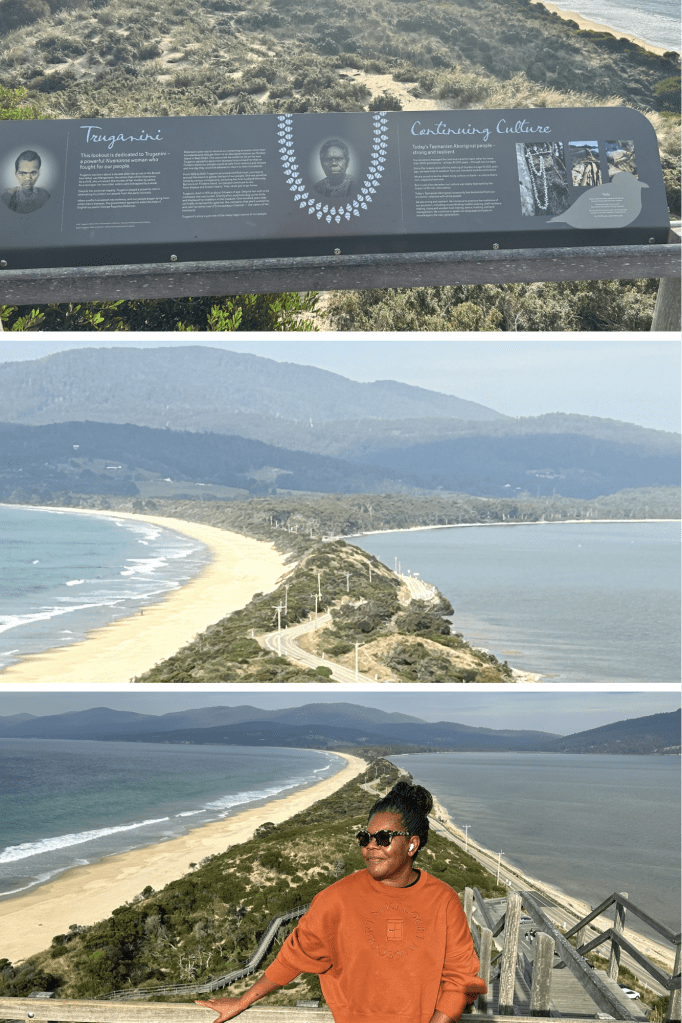
I did not know her full story before arriving, but something about it tugged on my heartstrings because it did not feel distant to me.
I am the product of both Jamaica and Canada, and both carry their own version of this ache.
In Jamaica, it is the near disappearance of the Taino people and the enduring legacy of Nanny and the Maroons, who fought fiercely for freedom, dignity, and the right to exist on their own terms. (See my post about Accompong.)
In Canada, it is the story of First Nations, Inuit, and Métis peoples — communities who survived displacement, cultural suppression, residential schools, and generations of policies designed to erase Indigenous identity.
In both countries, the story is not one of complete disappearance, but of remarkable survival.
What remains are the fragments and the continuities: names, memory, ancestry, language, stories, traditions, and a growing effort to recover what was lost, restore what was taken, and call people and places by their rightful names.
Standing on Bruny Island, I recognized the familiar—Different histories. Different peoples. Different continents. Yet the same enduring struggle to remember, reclaim, and remain.
Travel Reveals Strange Mirrors
When I travel I almost always visit the museums or historical sites, looking out for what mirrors my own history and experiences. Sometimes travel reveals strange mirrors — like familiar names in unfamiliar places.
Kingston.
A name I know as home in Jamaica also exists in Tasmania. And, of course, there is Kingston, Ontario, in Canada — another place woven into my story.
It made me pause, first from the feeling of familiarity which made me reach for my phone to capture this sign post:
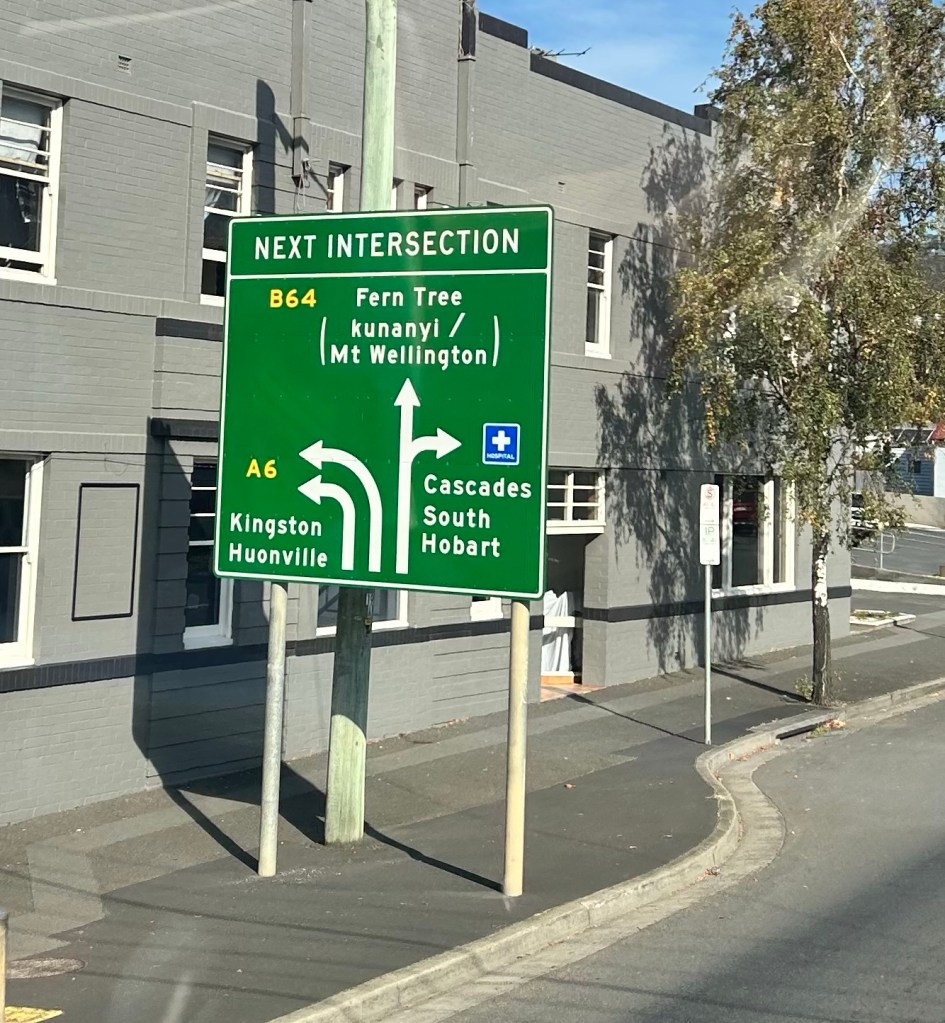
Three Kingstons. Three geographies. Three distinct histories shaped, in different ways, by the legacy of empire and colonization.
The connection is not in the name itself but in what it prompted me to consider: how places separated by oceans can carry stories that mimic one another. How histories of settlement, displacement, resistance, and survival often leave similar footprints on different shores.
As a Jamaican-Canadian standing on Australian soil, I found myself noticing these intersections everywhere. Not because the stories are identical, but because they ask similar questions about belonging, memory, identity, and whose stories get told.
Different continents. Different peoples.
Yet familiar sentiments shaped by similar patterns.
Talawah & Palawa
The other mirror showed up in two words, not as a shared meaning but a shared feeling.
Palawa is the name for Aboriginal Tasmanians and it echoed a word deeply familiar to me as a Jamaican— talawah.
In Jamaica, talawah describes something small but fierce. Resilient. Tough. Quietly powerful. The kind of strength that survives.
And somehow, standing in a place shaped by dispossession and endurance, the echo between Palawa and talawah stayed with me. Different histories. Different peoples. Yet something familiar in the story of survival.
Maybe that is why Bruny Island tugged at my heart more than I expected.
Because beneath all its beauty sat something recognizable: the ache of what colonization took and continues to take, the endurance of those who survive it, and the reminder that history matters.
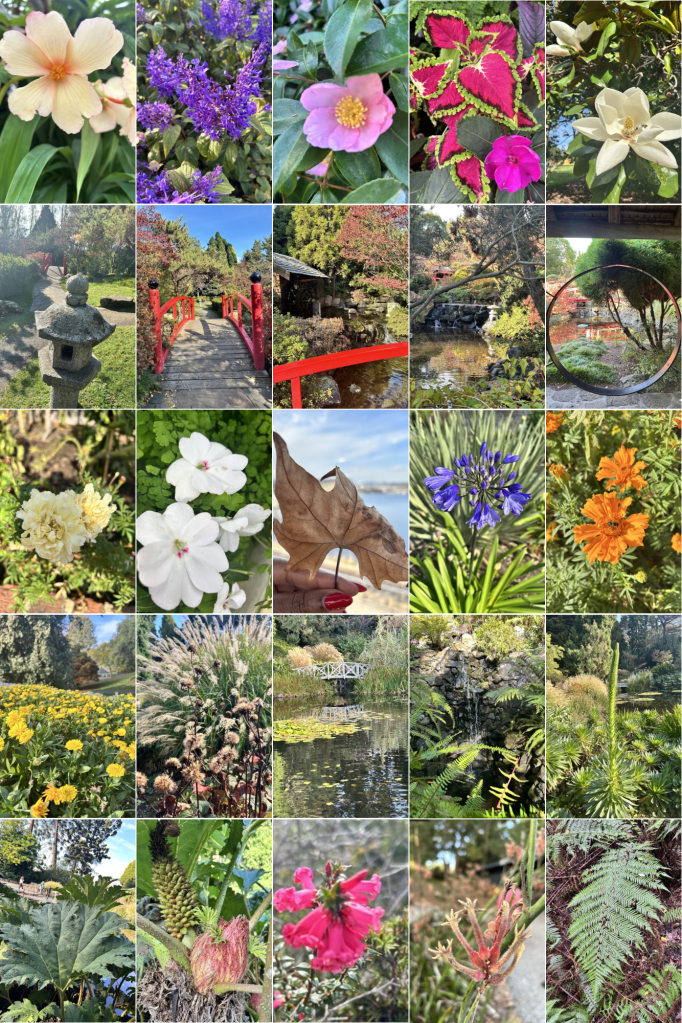
Australia did not disappoint.
But neither was I oblivious.
I can appreciate the beauty of what a country offers while still acknowledging its history and the injustices carried in its soil.
Perhaps that, too, is a kind of acknowledgement of country.
2026 All Rights Reserved
Like what you see? To never miss a post click HERE👈 to subscribe & follow the blog. There’s more HERE👈 and on Spillwords, the Writers Club, Facebook & Bluesky.
In creative solidarity, Dee💡 Only WordPress.com members can hit the “Like” button, but everyone’s welcome to share their thoughts in the comments. Thanks!
 Poems & More
Beautiful flowers, poignant reminders and contrasts. Thanks for caring about the aboriginals Dawn.
LikeLiked by 1 person
It’s important to tell a story from all sides. Thanks for engaging Brad!
LikeLiked by 1 person
wow this is DEEP
LikeLiked by 1 person
Thanks for stopping by. I appreciate your reflection.
LikeLike
Only yesterday I was thinking how these colonizers have left the mark of cruelty on the world. Every where they went, the exploited the local population and usurped their lands and rights
LikeLiked by 1 person
They played from the same playbook and ultimately the results continue to play out in the same way in populations across the globe.
LikeLiked by 1 person
Yes, they will have a lot to answer for in the day of judgement. But those who are maintaining the status quo are responsible too.
LikeLiked by 1 person
Yes indeed Sadje!!
LikeLiked by 1 person
👍🏼👍🏼👍🏼
LikeLiked by 1 person
Sadly, human history is full of contradictions, conquests, and colonizations. We cannot redo history but we need to acknowledge it and work for justice. Thanks for sharing about Truganini and the Palawa people, Dawn.
LikeLike
Thanks for reading and engaging with this content. Justice doesn’t have an expiration date and so it’s never late to give voice to the historicity of injustices in all parts of the world.
LikeLike