“Love one another, but make not a bond of love: Let it rather be a moving sea between the shores of your souls”.
Kahlil Gibran
heart-eyes blinded by love, masquerading as roses, supple red petals, edges shriveled, dried, blood-stained, fragile to the touch, breaking, breaking up, lives entangled, separating, heart from heart, disconnecting, intensity like a physical cut, detaching, like a heart in cardiac arrest, breaking, breaking out, emotions fluid like blood, discharging, toxicity free flowing, hurt, pain, regrets emptying, tears of relief, cleansing, breaking, breaking through, surrendering, exhaling, accepting, embracing, a new beginning.
First published 6 July 2021
All rights reserved
Designed by Canva
Photo by Pexels
The pain we bear, both seen and unseen Scars etched deep, where wounds have been Each mark tells a story, of hurt and strife A reminder of the battles fought in life
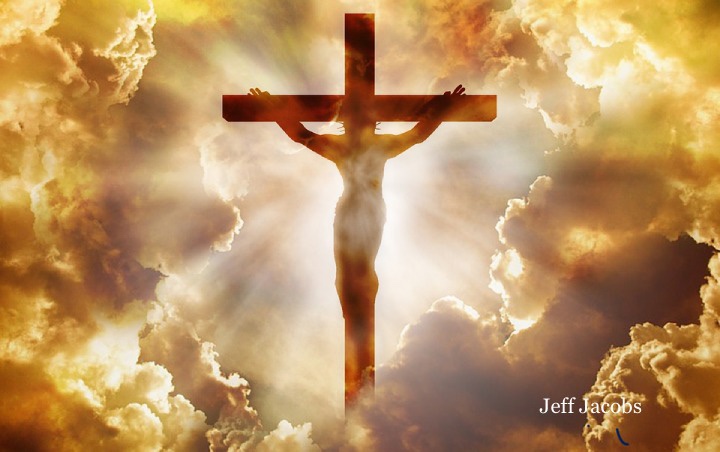
From betrayals deep to words unkind Scars linger on, in heart and mind Yet in the midst of all the pain Be reminded—Jesus bears scars, not in vain
His hands, His feet, His side so torn His brow, His back, all bruised and worn Every mark, a testament profound Of love and grace, the world around
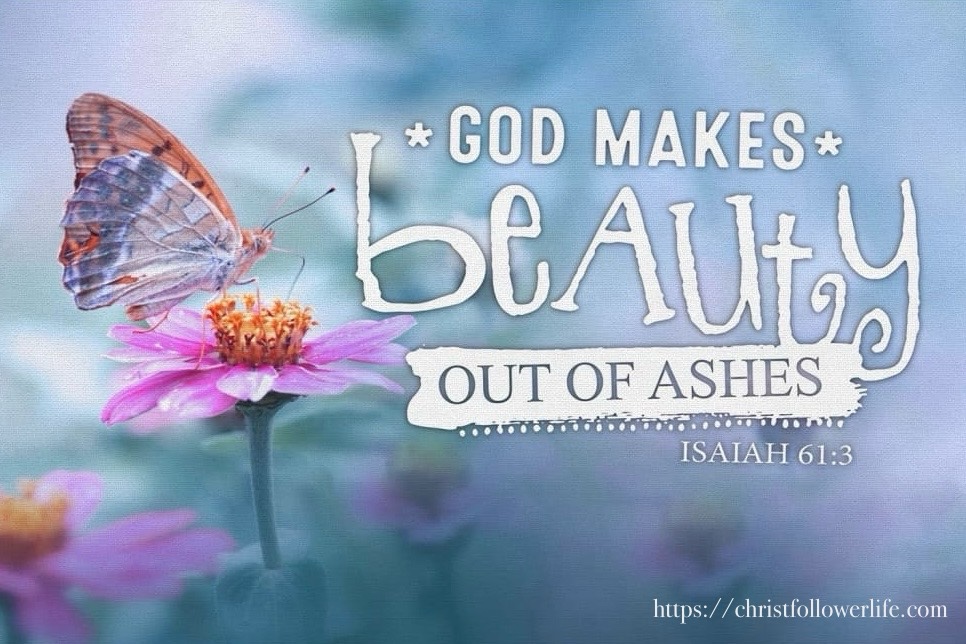
For in His wounds, our healing’s found The great exchange—it’s quite profound Beauty for ashes, joy for tears In every scar, redemption nears
From brokenness to wholeness bound Each scar a jewel in life’s crown For wounds transformed, become our strength A journey marked, of depth and length
In every scar, there’s a story to be told Of how we fought and how Christ mold For in our wounds, our stories are shown And through His scars, healing is known
So, in talking about Jehovah Nissi today I wanna focus on something that’s plaguing our world—suicide—it’s a pandemic within a pandemic, really. The times are as the Bible described:
But the Bible doesn’t leave it there, thank God, it encourages us to “…stand, look up, lift up your heads [to God our Banner/Refuge]; for your redemption draweth nigh.” (Luke 21:28)
I think of the very first time God revealed Himself as our banner/refuge—the children of Israel were up against a formidable, well-seasoned warrior tribe, the Amalekites. It was to be their first-ever battle. In fact, the Amalekites terrorized the Israelites for centuries—that first battle was the beginning of the war.
This first battle plan was simple, but foolproof and a guaranteed win—their leader Moses was to stand up on a hill and lift up the rod of God. The people could see the banner raised. When it was lowered, the Amalekites got the upper hand. But when it was raised, the children of Israel pushed the enemy back and regained the upper hand. So Aaron and Hur, who were with Moses on the hill, helped to keep his hand up and the rod of God aloft for the duration of the fight.
This was a clear indication that:
The battle was theirs to fight, but the war was God’s to win.
In every battle we need supporters—the lifter-up of our hands, and our heads.
The children of Israel’s role was: Show up. Raise the banner. Keep the banner raised. Look up. Defend yourselves.
Following this battle plan God won and Israel prevailed over their enemies. When it was over, Moses showed that he recognized the Lord as the source of their victory and so: “Moses built an altar and called its name, The-Lord-Is-My-Banner” (Exodus 17:15).
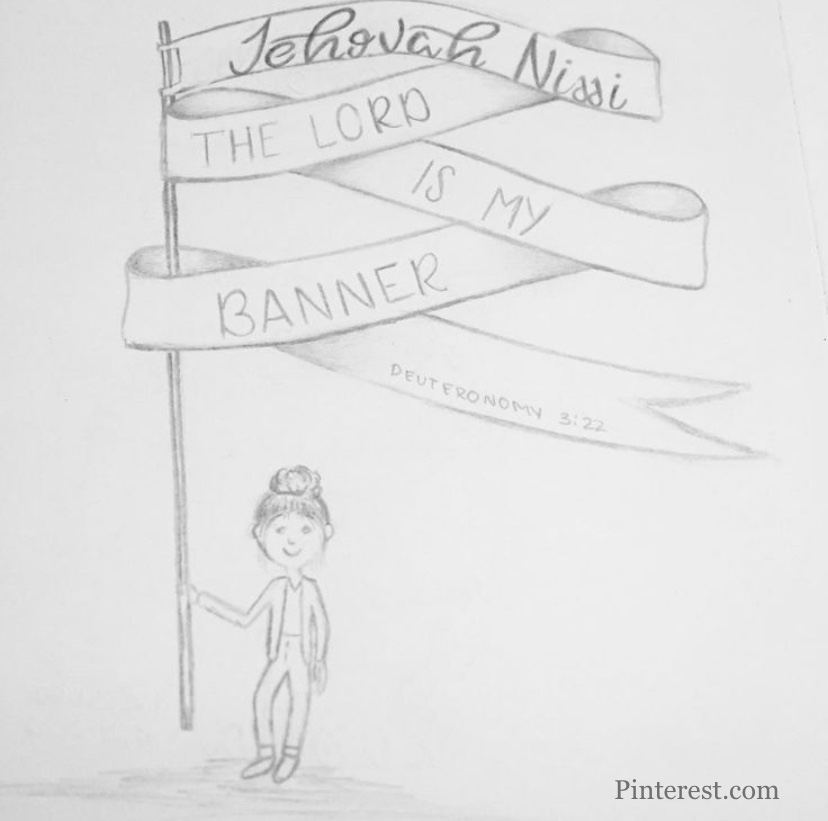
Nissi comes from the Hebrew word “nês” which means banner. So, Jehovah Nissi—the Lord is My Banner
Today, the war continues.
Listen, the truth of the matter is this: life comes with battles because the enemy of God is in an all-out war with Him and the fight is over us—God’s children. The devil’s plan is to annihilate us, but God ain’t having it! So, it’s war on!!!!!
In this war we must choose whose banner we’re under. God’s banner is an illustration of His protection, His redemption and His salvation. God’s banner identifies those who choose to belong to Him.
The Bible assures us:
“We will rejoice in your salvation, and in the name of our God we will set up our banners!” (Psalm 20:5).
“You have raised a banner to . . . save us and help us with your right hand, that those you love may be delivered” (Psalm 60:4-5).
The battle plan is the same and it’s still foolproof and a guaranteed win—look to Jehovah Nissi, our banner/refuge.
As the war intensifies, many many hearts are failing of fear. But God doesn’t leave us defenseless.
💥💥If you feel like you or someone you know is in immediate danger, please call 911 (or your country’s local emergency line) or go to an emergency room to get immediate help.💥💥
Thank you for journeying along. First time to the site? Welcome! Feel free to “like” or drop a comment, I love hearing from you.
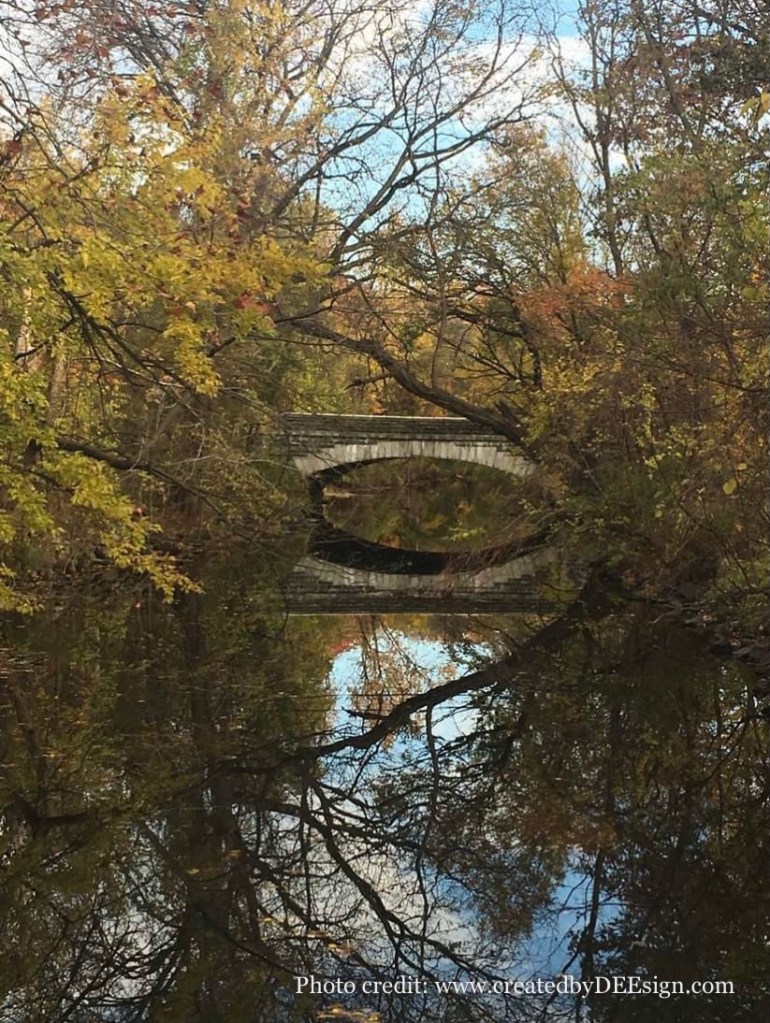
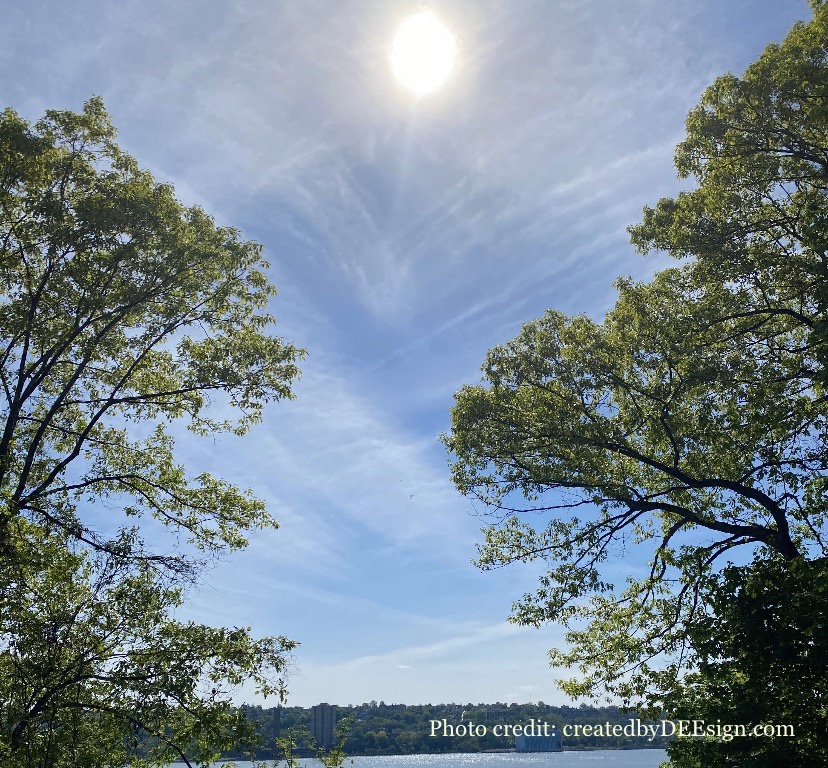
My favorite park—it has a river running through it, and bridges, and tons of trees and a walk/run path winding along the river.
Now that autumn is here it’s an array of colors. I spend many hours absorbing its beauty and being healed by its tranquility. Today the reflection from its river is captured for Sunday Photo Reflection.
Did you ever wonder if the person in the puddle is real, and you’re just a reflection of him?
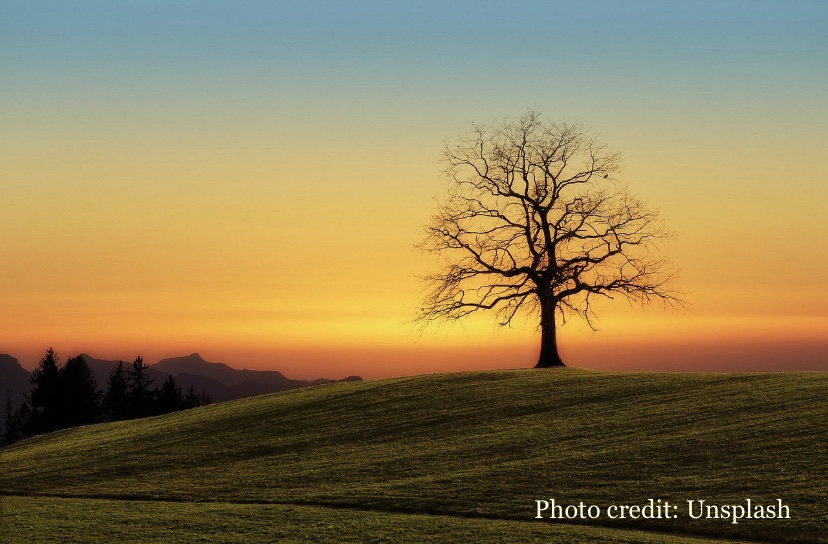
As we’re winding down the season of long summer days and about to enter the season of transition, I’m thinking about trees and the transformation they’re preparing to undergo—the stripping, the letting go—and how simultaneously beautiful and haunting that is. And that got me thinking about the life lessons we can learn from trees.
Lesson 1: Be Rooted. Most demons we fight as adults were planted during childhood, the formative years. Be aware of root causes. You can’t change what you don’t know or assess and won’t own. When the dysfunction is known and addressed/being addressed, be grounded in the transformed/transforming you. Roots that are strong enough will help you withstand what life throws at ya.
Lesson 2: Be vulnerable. In climes where seasons change, trees shed their leaves, they leave themselves bare. In the right circumstances and with the right people, let everything that would hinder your transformation fall away. Life seasons will inevitably change and you’ll bloom again, without pretending. When you know you, when you’re rooted in who you are, you can face the world with nothing to hide behind. Know your truth. Speak your truth. Live in your truth.
The trees are about to show us how lovely it is to let the dead things go.
Author Unknown
Lesson 3: Be Pliable. If you can’t or won’t bend, you can and will break. Rigidity leads to breakage while flexibility leaves room for movement.
Have you ever watched a tree dancing in placid-like wind, or flailing about in a storm? Sure, winds sometimes lead to breakage, but more often than not trees that are well rooted and can move in the direction of the wind, bounce back. Be pliable when life’s storm winds blow. You’ve got bouncebackability. Be open to breaking-through.
Some of us think holding on makes us strong; but sometimes it is letting go.
Hermann Hesse, German novelist & poet
Lesson 4: Be photosynthetic. It’s a process of absorbing and releasing. What you take in—either negative or positive—you must also release. The Dead Sea is “dead” because it receives but it doesn’t release, it has no outlet.
Where you are now, is not where you will be. Becoming the best you is transformational and that’s a process of letting go and letting God. God is a good outlet. In fact, I’d say the best. Trust the process, trust God and let your authentic self become uncovered.
Trees are poems that the earth writes upon the sky.
Kahlil Gibran
Lesson 5: Be poetic. You may not know this, but poetry was created in you. God says we are His “workmanship”, created and ordained for good works. The word “workmanship” is a translation from the Greek word “poiēma” from which the English word “poem” is derived. So, who are you not to be poetic when God created you so to be!?
Shabbat Shalom. May you find the courage to be like a tree—a poem in full authenticity—written across your sky!
You may like the piece on the Japanese art form of repairing broken pottery—KINTSUGI (also known as kintsukuroi)—literally translated to mean “golden repair”, is practiced from the philosophy of treating breakage and repair as part of the history of an object, rather than something to disguise.
A collection of writing by Dominic Riccitello — intimate conversations, personal essays, and poetic reflections on relationships, loss, and self-discovery.










 Poems & More