Never allow someone to be your priority while allowing yourself to be their option.
— Mark Twain
The longer you fight The longer lies masquerade as hope Empty promises sound like plans Deceit manipulates you
The longer you stay The more you shrink Massaging truth to explain silence Mistaking absence for relationship
The longer you wait The more you erase Your needs Your voice Your worth
The longer you hope The more you ignore What actions have been spelling out in bold
The longer you fight The longer your heart beats pain The clearer it becomes: you’re at war—alone
And love— Love was never meant To feel like survival
So you stop
Not because you don’t love But because You are no longer willing to abandon yourself to prove it
Afterword: Time and emotional energy run out. They are not endless. So where you place them matters. Pouring into what pours back builds something. But, giving all of yourself to what won’t choose you only leaves you empty.
Afterword: A Senryu influenced by CeCe Woman’s song and a riff off the popular Psalm 23:6–“Surely goodness and mercy shall follow me all the days of my life…”. So, if you happen to see something chasing after me, don’t be alarmed, that’s just God’s goodness and His mercy following me every day of my life. #HeavenlyBodyGuards
Like what you see? To never miss a post click HERE👈 to subscribe & follow the blog. I love hearing from you, so remember to “like” & comment. For more content start HERE👈
 First published 2022
All rights reserved
Designed by Canva
Photo: Pexels
After word: You know that moment when you’re in your feelings, and the right song starts playing on the radio?! One of my go to love crooners is the indomitable-musical-genius, Brian McKnight. So, it’s no wonder his chart-hitting “Back At One” influenced this | Poetry in Conversation with Song piece. Take a listen and you’ll agree he’s one of love poetry greats!
Like what you see? To never miss a post click HERE👈 to subscribe & follow the blog. I love hearing from you, so remember to “like” & comment. For more content start HERE👈
Beforeword: This poem is a tribute to the beauty of lasting love. It celebrates the choice to keep discovering one another by creating new experiences within familiar spaces rather than searching for excitement elsewhere. Through everyday moments, shared places become landscapes of renewal, proving that love flourishes when we continually reimagine the ordinary together.
In the quiet space of renewal we find each other again, every day a canvas, every touch a brushstroke on the landscape of the history we share
This old place— with walls that echo laughter with windows that frame the seasons of our lives— it’s a testament to the love we’ve built, intention by intention moment by moment
We wander familiar paths, our footsteps guided by memories etched deep into the soil, we carve new trails, seek and hide in the weathered shadows cast by ancient trees
Your hand in mine steady and sure, we explore the forgotten rooms of this love—rediscovering the thrill of firsts—releasing the addiction of the routine
Here—in this sanctuary of us— we create new experiences, we rekindle the fires of wonder, holding steadfast against the temptations of new, finding renewal in the known, beauty in the familiar
Each day, is a promise kept each glance, is a vow renewed we stay, we hold, we grow forever weaving new threads into the tapestry of our endless love
2024 All Rights Reserved
Designed by Canva
Photo: Pexels
Beforeword: Love begins as something we seek, becomes something we practice, and ends by revealing it was shaping us all along. The journey comes full circle when we realize we have become the very love we were looking for.The poetic form, loop poetry—where the last word(s) of a line becomes the first word(s) of the next line—is fitting for this soulful full-circle piece.
Heart’s rhythm beats for love For love that protects, create safe space Safe space to be vulnerable, totally free Totally free to be just as you are, completely
Completely a love like poetry in motion In motion flow like ocean, muse creating Muse creating healing for you and I You and I enveloped in the wholeness of love
Love, you, me—broken in different ways, different places Different places synchronized in all the right spaces Right spaces to restore like ancient art Ancient art that restores broken hearts made whole
Whole, we move by love’s essence like Marley’s one love One love the synchronous beats of two hearts Two hearts as one, unexplainable connection Unexplainable connection this love that eclipses logic
Logic, no—
Heart’s rhythm beats for love For love that protects, create safe space Safe space to be vulnerable, totally free Totally free to be just as you are, completely
2024 All Rights Reserved
Designed by Canva
Photo: Pexels
Love rules our hearts, it gives us choice No chains to bind, no hurried voice In whispers soft its voice comes through Like a tender guide, pure and true
No iron laws, no harsh decree Love always reigns wild and free It carves no path, but shows the way Guiding heart-to-heart, come what may
In love’s domain, we find our art A masterpiece within the heart It rules with warmth, a glowing flame A guiding star we can’t explain
So let love lead with gentle hand In whispered words and actions grand Love teaches us, it guides the way Directing all we do and say
All Rights Reserved
Designed by Canva
Photo: Pexels
Like what you see? To never miss a post click HERE👈 to subscribe & follow the blog. I love hearing from you, so remember to “like” & comment. For more content start HERE👈
I had taken him to Build-A-Bear, he dressed his bear—tiny comouflage jacket and pants, military dog tags, a little attitude. When I complemented his bear’s look, he stepped back, looked at me with swagger beyond his years and said, “Aunty, it’s drip.”
“Drip”?! I had never heard drip used in that context. In response to my naïveté he proceeded to school me on the word. Not to be completely outdone by this precocious little human, I later educated myself on not just what it meant, but where it came from. I learnt how it moved through music, through culture, through people who know how to turn what they have into something that speaks.
At the surface levelwhat “drip” actually means is fashionable, put-together, expensive-looking. But culturally, it goes deeper than what you wear. It’s how what you wear lands.
That moment with my nephew stayed with me.
Because long before “drip” trended on TikTok or echoed through tracks like “Drip Too Hard” by Gunna and Lil Baby, there was another kind of drip—ancient and deeply spiritual. I learned this from one of my favorite ministers of the Gospel, Pastor Furtick.
As the children of Israel prepared to leave Egypt, something unusual happened. After generations of bondage, they didn’t leave empty-handed. The very people who held them captive handed over silver, gold, and clothing. They didn’t fight for it. They didn’t negotiate for it. They asked and it was released—that’s provision.
After years of bondage and subjugation they not only came out free, they came out “dripping.”
Wrists that once labored now layered with jewelry. Bodies that once bore the weight of oppression now draped in gold. This provision was a visible sign that their story had shifted.
When God uses your enemy to bless you.
This part of the Exodus story is easy to skip over, but it shouldn’t be.
Notice, the blessing didn’t come from a new ally. It came from the same place as the struggle.
There may be something uncomfortable about that. We like clean narratives—good on one side, evil on the other. But this story flips the script. It reaffirms that God is not limited by who or what stands against you. He can reach into the very space of resistance and pull provision right out of it.
What opposed you can end up resourcing you.
And the resourcing may not always come in ways you expect. Nor in the ways that feel immediate. But there’s a pattern in this and similar biblical stories:
pressure that strengthens capacity;
delay that builds endurance;
closed doors that redirect purpose; and,
sometimes—blessing that comes from unlikely hands.
Are you in a hard season?
When you step out of it, don’t be surprised if you’re carrying more than you thought you would.
You didn’t just survive it. You gathered strength on the way out.
What does it mean to “come out dripping”?
In the same way that “drip” in hip-hop culture is more than what you wear but style as an expression with presence, “drip” in the spiritual sense—as manifested in the lives of the children of Israel in the exodus—was overflow, not excess.
In other words it’s the unassuming confidence of someone who knows their story didn’t end where it could or should have. It’s coming to terms that grace was layered over your struggle, provision over your lack, and dignity over what tried to shame you into the shadows. It’s peace where there used to be anxiety; clarity where there used to be confusion; and stability where there used to be constant disruption.
A Shabbat pause:
As the sun sets and Shabbat begins, consider this—
Where have you been brought out and what did you carry with you?
Think not of what you lost or what you escaped, but what you gained, what you grew into, how your life has shifted as a result. You may not have noticed it at the time. But look again.
You didn’t come out empty.
You came out dripping with provision—jewelry of grace, gold of strength and clothing that covers and protects you.
This Cameo form poem [7 lines; syllable count: 2 / 5 / 8 / 3 / 8 / 7 / 2] is drawn from a short story of the same title, written in response to this week’s W3 challenge andOLN at d’Verse.
Beforeword: “Koi no yokan” is a Japanese phrase that translates to “premonition of love,” describing the feeling of meeting someone for the first time and intuitively knowing that you will inevitably fall in love with them in the future. It differs from love at first sight because it’s not about the love happening at that instant, but a certainty about love that is yet to come.
This was not love at first sight
When we first met my heart didn’t skip a beat my breath didn’t catch in my throat It exhaled like it had been held for years and didn’t know why It was like meeting someone and feeling the future in a knowing way Like feeling the rain will fall before it does
We spoke of ordinary things— weather, work, tea versus coffee We laughed easily We communicated in the silence as if somewhere inside we knew our spirit had leaned into each other and whispered, “This one”
No fireworks— It started way quieter than that No falling It started safer than that Slow Certain with inevitability Just knowing
And now— on a day dressed in red and roses— I don’t celebrate a spark I celebrate that quiet certainty That gentle, steady pull that brought us here without noise without fear without doubt
When whole meets whole Two souls stepping into love Each already complete You bring your 100 And I raise you mine
Because love—real love— It needs commitment more than chemistry It needs building blocks more than butterflies Real love, it needs nutrients
So feed love with the elements that make life thrive:
Sunlight— Surround each other in warmth on those dark days Bring light that sustains not like fireworks that fizzle out, die But let truth rise between you like the sun, consistent and always present
Fresh air— Breathe space into the life you are building Creating room for each other to grow, to exhale No manipulating No control No stifling silence— just openness between you
Rest— Don’t wear each other down Become each other’s Sabbath, a place to lay, to rest, to be Let your love feel like coming home
Nutrition— Feed each other’s soul with words that nourish not tear down Serve each other honesty Feast on it like it’s a gourmet meal—so you grow
Exercise— Work at it Work it out Stretch into new understanding Run from pride Lift each other’s spirits Stay active in faithfulness Let there be no laziness in your love
Water— Stay hydrated in forgiveness Racing to be first to say: “I’m sorry” Wash away yesterday’s offenses Flow, not force Your love, like water, takes the shape of effort, breaking down resistance
And above all, put your Trust in God Staying rooted in the Divine Placing covenant above separation Pray to keep it right Praise when you’re confused Plant your love in the soil of something higher than yourselves With God in the middle Two wholes become one
So you bring your whole And I’ll bring mine Let’s grow a love nourished right— That won’t just survive It will thrive
Afterword: The inspiration for this poem is Newstart—a physician monitored, scientifically researched lifestyle change program based on eight fundamental principles proven to help us achieve optimum health: Nutrition, Exercise, Water, Sunlight, Temperance, Air, Rest, and Trust in God.
Stay single till you meet the person who makes you smile from within and it escapes with such intensity it up-curls your lips from ear to ear, makes your cheeks go numb and your eyes light up
Stay single till you meet the one who proves himself worthy of you, who prioritizes you, amidst the busyness of life he makes time to see you— no lame ass excuses of “just because…” and “I was gonna but…”
Wait for the one whose touch ignites your senses, makes your knees buckle weak and your heart skip beats and your stomach butterfly-flutters, wait for the one who moves you
Stay single till you meet the one who’ll do anything for you— like walk a tight rope 50 feet above ground— because he knew you’d not ask if you didn’t need him to and because he knew you knew he’d be safe to do for you
Stay single till you meet someone who accepts you, not wanting to change the you that you are but who celebrates the essence of you, accepting you in all your quirkinesses and flawsomeness, someone who loves you for you
Wait for someone who is proud of you, celebrates your accomplishments as if they’re his own— your own personal membership to a one-on-one cheerleading squad, wait for the one who’s “got you”
Stay single till you find the person who makes you want to be a better you, who’s worthy to fight for and to fight with ‘cause—face it— love and life will derail fantasies of “happily ever after”, you’ll need someone who’s battle ready
Stay single till your desire to be booed-up is not from a place of brokenness, lack or desperation, but from a healed place, from a place of trust, love and vulnerability
Wait for someone whose words and actions go hand-in-hand; who will say what they mean and do what they say, wait for the one who is intentional about you
Stay single till the one who is for you finds you, and you know you have been found
Beforeword: “The Chosen” retells the biblical account of a woman who bled for twelve years—likely battling what we now know as endometriosis. Doctors failed her. Society shunned her. But her faith pressed through the crowd and reached for the hem of healing. With one touch, she drew virtue from Jesus. The way this act was portrayed in “The Chosen” tugged at my heart and inspired this poem about a bold, desperate, and unshakeable kind of faith.Mark 5:25–34
Twelve years. Twelve long, leaking, limping years. Not of just blood, but of being bled— by shame, by silence, by systems that said: “You’re unclean.” “You’re unworthy.” “Stay unseen.”
She was hemorrhaging more than her body could bear— her hope dripped slow, like her dignity, into dusty streets that never remembered her name.
But this—this is a story of a woman who reached when religion said “Don’t.” Who touched when culture said “Stay back.” Who dared to believe healing was not just possible— but personal.
She said, “If I but touch the hem…” Not his hand. Not his face. Just the fringe of grace. She didn’t need center stage, just the edge of mercy.
And when her fingers found the thread— Power moved. Time froze. Heaven stood still.
And He said, “Who touched me?”
Not out of rebuke, but revelation.
She came trembling, expecting judgment, but found joy. Expecting condemnation, but got confirmation.
He didn’t call her “woman.” Didn’t say “healed one.” Didn’t say “formerly unclean.”
He called her— Daughter.
And the world shifted.
Because God doesn’t rename without reason. When He calls you something new, it’s not just a title— it’s a territory. It’s the unlocking of destiny. An announcement of assignment. A sign that your suffering was not wasted— it was womb.
Daughter.
That’s not just comfort— that’s commission. That’s “Welcome to the family.” That’s “Your faith just opened a door.” That’s “You have access to more.”
Because every new name in the Bible was a passport into purpose: Abram to Abraham—father of nations. Jacob to Israel—wrestler turned warrior. Simon to Peter—reed to rock.
And now: Unknown to Daughter. Outcast to Heir. Bleeding to Blessed. She didn’t just get healed— She got elevated.
So now, when you feel unseen— When your wounds whisper you’re not worthy— When the crowd calls you forgettable— Remember: Faith rewrites stories. And sometimes all it takes is a reach.
For the God who knows your name is waiting to call you something greater. Something weightier. Something woven in love.
Daughter.
Because your healing isn’t the end— It’s your beginning. Your new domain. Your new name.
Who are you? A mother. A father. A CEO. A pastor. A judge behind the bench, a teacher in the class, A voice in the crowd or the first, not the last.
We throw it around— “Just do you.” Sounds cute, right?! I’ve said it too. Like it’s a mantra. A mirror. A mood. But what if “do you” Is misunderstood?
What if— Your identity’s not in the job, the title, the crew? Not in the flex, or the fame, or the things you do? Your identity— Is rooted in what you give your heart to. And if you gave it to the One who made you, Wouldn’t that shift the whole view?
See— To “do you” You must know you. Not the version crafted by culture and code, But the truth that was spoken Before time even flowed.
Who does God say you are? Not broken. Not lost. Not barely getting by. You— Are a child of the Most High.
But if you don’t see yourself in this divine design, You might be whispering—“Fix me,” Not boldly declaring—“Do me.”
And let’s be real— You can’t fix yourself When you didn’t form yourself. You are not your own creator. So how can you be your own savior?
Truth is, When you know whose you are, You’ll know who you are. And when you know who you are, You won’t just “do you”— You’ll live true. Aligned. On purpose. Brand new.
“Are Easter bunny and Jesus best pals?” And what about the eggs and chocolate and Easter characters?! The queries of this 3-year old girl is eye opening. See her questionings here:
It is true, Easter often brings images of pastel eggs, chocolate bunnies, and playful hunts across green lawns. Fun? Absolutely.
But the heart of Easter runs deeper than sugar and spring décor.
For Christians, Easter is the cornerstone of faith—the celebration of Jesus Christ’s resurrection from the dead.
It’s not about candy-coated traditions, but about conquering sin, defeating death, and offering new life.
Beforeword: This piece was commissioned by a bride who was renewing her wedding vows and wanted a piece to cover her walk down the aisle. It was to start with visualizing her love relationship with God, then the love relationship between her and her husband and culminate in imagining what it would be like to have a face-to-face encounter with God.
When a piece is commissioned I usually consult with the client to get the backstory to create a piece that is personal and reflective of the context the client wishes to convey. In this case the client gave me a song as muse. On the day, the piece was narrated to that song: “I Can Only Imagine”.
Although You have proven Yourself to be true
And there is nothing else You will ever have to do to show Your love, to prove Your faithfulness
To reassure me that You are love, you are faithful, that You hold nothing from my past against me—in You I’m forgiven, renewed
What manner of love is this?
A love that loves me, restores me, completes me
Now I stand at the beginning of a path to walk
To walk in whole-completeness
In His perfect love
Fear casted out perfectly
Perfect love remains resolutely
And me—I remain in Him
Whole—a state of being
I could only imagine
And you, who are you?
Who is this man that I will walk to?
I see in you the embodiment of Christ
His on-earth love to me personified
A glimpse, a manifestation of His in-glory love for me
But I will not mistake His place for you
In my life, He comes first
For it is He who first loved me
Before you, He engraved me in the palm of His hands
Before you, He emptied Himself of everything
He gave Himself for me, for you
I walk in His love to recommit my life to you
Can you imagine?
I imagine you, my arrival awaiting
Like the church, His bride, expecting His returning
I imagine you, me, wondering what we may feel, anticipating
Will our feet allow us to dance?
Or our voices allow us to speak?
Standing still or prostrate falling?
Dumbfounded or shouts of hallelujahs exclaiming?
What will our eyes see?
What will our thoughts be?
You and me, His majesty beholding
Nothing will compare
Check the reference, if you don’t believe me:
1st book to the Corinthians, in the 2nd chapter and the 9th verse you’ll read—
No eyes have seen, no ears have heard, nor has it even entered within any heart to conceive
In the splendor of His grace
We’ll stand together, husband and wife
To behold Him face to face
I can only imagine
2025 All Rights Reserved
Designed with Canva
Images by Pexels
Women who stay in abusive relationships often hear the same questions: “Why don’t you leave?” “Why do you go back?” But leaving isn’t always simple. The ties that bind are deeper than what the eye can see—woven from fear of retaliation, financial dependence, isolation, and the emotional manipulation that distorts reality.
Help is Available
If you or someone you know is experiencing domestic violence, you are not alone. There is help. In the US:
Mental health encompasses our emotional, psychological, and social wellness, impacting our thoughts, emotions, behaviors, and influencing our stress management, relationships, and decision-making.
Threads of thought convene
Labyrinth of mind and soul
Inner world whispers
Afterword: A haibun is composed of two stanzas. The first stanza is a prose paragraph, and the second stanza is a haiku.
Heart Seizing Arresting Redirecting Decisive beating Forces uncontested To new location destined Purposefully recreated Commandeered in transit awakened Heart hijacked by your love to love for love
Where once it was “me and I” inhaled—now “us and we” exhaling Birthed through pangs of willing submission, full surrender On this two-becoming-one journey Starting in the acknowledgement that you are his and he is yours Two lives entwined together as one Two as one in love
LOVE …
Its timing unpredictable Its expression unmistakably mirrored in coded smiles, secret glances, gentle touches Its evolution purposed by God In the way it’s transformed you, conformed you, molded you, connected you Two lives entwined together as one Two as one in love
Afterword: I wrote and recited this piece for two of my dearest friends on the occasion of their wedding.
I stooped down to the ground Fingers spread across the soil Skillfully coiling, releasing Gathering piles of earth Heaping it to just the right weight Molding it into just the right shape Into the right depth Into the right height
I rounded the upper part Working meticulously Methodically, mapping out complexity Connecting over 100 billion nerves Building pathways through trillions of connections: The seat of your intelligence The interpreter of your senses The initiator of your movements The controller of your behavior
I created a finely-tuned pump Beating 100,000 times a day To serve your whole structure My crown jewel complete You, the only creation made by My own hands In my own image I declared you: “Very good!”
My declaration thundered Ricocheted off trees and mountains Echoed in vales and under waves Forever carried on the wings of winds:
“You are My masterpiece My living canvas on display My one-of-a-kind Unique work of heART I am devoted to My artistry in you Simply because I love you Unconditionally”
Forever yours, God!
Afterword: This poem is generated from a previous post in the Shabbat Shalom series, “You’re A Masterpiece”.
if I took off the mask fully unveiled me opened up my heart revealed the real me the me no one else sees could You really love me? love me just as I am unconditionally?
if I let go of the hurt frailty from the brokenness within trusted you with all of me loosened my grasp letting go and letting you would You really love me? love me just as I am unconditionally?
i’m scared, afraid, unsure but I want no more of this pain if I surrendered gave up what sustained me turned my heart over to You could You really accept me? accept me just as I am unconditionally?
the fear of being rejected that You too would refuse me constrained me kept me from receiving Your love now that I’m reaching for Your embrace would You really accept me? accept me just as I am unconditionally?
now I know how it feels when You console me like being cradled against Your heart each heartbeat reverberates— “I love you, you’re my girl” it feels like strong yet gentle arms encircling all my doubts and fears are erasing confident am I in knowing I am loved by You unconditionally
All rights reserved 2024 Credit: Designed by Canva
Afterword: an Epistolary poem is written in the form of a letter.
Like what you see? To never miss a post click HERE👈 to subscribe & follow the blog. I love hearing from you, so remember to “like” & comment. For more content start HERE👈
Because of you, there’s a new reason for being Life is lived from a deeper meaning Living life now at a slower pace A smile more often is on my face
Because of you, my heart’s grown wide Embracing love with arms stretched high Together we face what life may send With you, my love, my heart will mend
Because of you, my soul’s set free To explore the depths of what we could be Your love, a beacon, guides me through To a life that’s fuller, all thanks to you
Because of you, now I can see The deepest side of the secret me You’ve entered my life, and helped me to be A more radiant and beautiful me
All Rights Reserved Designed by Canva Photo: Pexels
Like what you see? To never miss a post click HERE👈 to subscribe & follow the blog. I love hearing from you, so remember to “like” & comment. For more content start HERE👈
Love don’t die easy, it’s like an eternal flame, burning bright Caught between this love and a hard place—it’s like night
In the shadows of love’s flame cast in night, still we can dance Hearts intertwined, emotions teetering—it’s a delicate balance
The storms we’ve weathered hand in hand Staying steadfast, flowing with shifting sands
Sometimes it’s a struggle, it’s a test of will Finding space in love’s resilience, loving stronger still
Though circumstances like obstacles ply the way It’s love’s persistence that guides, come what may
In the end, love finds a way through the night For love don’t die easy, it’s an eternal light
Afterword: Today concludes week 3 of the “journey of love in June” series where the poetic focus was the heartbreak in relationships. When the heart breaks, no it don’t break even.
2023 All Rights Reserved Designed by Canva Photo: Pexels
You are the love that didn’t last A fleeting flame, a fading ember’s glow The muse that won’t inspire A canvas blank, untouched by strokes The poem that won’t be authored Words trapped betwixt stanzas, lost
You are the lyrics lips won’t sing A melody confined to whispered dreams The chords fingers won’t play Notes suspended in air, set adrift The beat hearts won’t take, a rhythm-less rhyme A symphony pulsing dance in empty chests
You are the cause and cure, a paradox for sure Affliction and salvation, intertwined The horrors of screams, haunting heart Ricochets off pain, refusing to take flight The sensations of dreams, desires unmet Entwining reality and fantasy, setting heart afire
You are the love that won’t let go—tethered A ghostly presence, heart living in the past The emotions that won’t soothe, a roaring tempest trapped A whirlwind of feelings—unresolved The memories that haunt, a tapestry of what was The echoes of laughter, the blur of tears—bittersweet
You are the love lost, a closed chapter but not in vain Within ache and longing, cherishing lessons we gain In the depths of what once was, find strength, move ahead Even love that fades, leaves traces on paths once tread Cherish, then, the fragments of pieces abound Embracing the journey of love lost and the lessons to be found
Afterword: I first wrote this poem “Love Lost” as a tercet (3 lines forming a stanza).
Republished 2023 All Rights Reserved
Like what you see? To never miss a post click HERE👈 to subscribe & follow the blog. I love hearing from you, so remember to “like” & comment. For more content start HERE👈
I choose to love you from a distance, to shield my heart from the hurt of watching you leave, leaving nostalgia and a touch of bittersweet longing
I choose to hold on to you in my dreams, that’s where you live in recollection of our laughter and whispers, etched into what will not be
I choose to hold you not in my arms, but in the corridors of memories where your presence lingers, a reminder of shared moments
I choose to let go of the illusions, to surrender expectations, to find solace, allowing the winds of change to carry away the fragments of what could have been
I choose to discover the strength to embrace the beauty of what is, untethered from the weight of unfulfilled promises
2024 All Rights Reserved Designed by Canva Photo by Pexels
“Love one another, but make not a bond of love: Let it rather be a moving sea between the shores of your souls”.
Kahlil Gibran
heart-eyes blinded by love, masquerading as roses, supple red petals, edges shriveled, dried, blood-stained, fragile to the touch, breaking, breaking up, lives entangled, separating, heart from heart, disconnecting, intensity like a physical cut, detaching, like a heart in cardiac arrest, breaking, breaking out, emotions fluid like blood, discharging, toxicity free flowing, hurt, pain, regrets emptying, tears of relief, cleansing, breaking, breaking through, surrendering, exhaling, accepting, embracing, a new beginning.
First published 6 July 2021 All rights reserved Designed by Canva Photo by Pexels
Welcome to week 3 of the “journey of love in June” series where the heartbreak side of love is the poetic focus—“love don’t die easy”.
In the corner of this crowded room, he laughs—a sound, like summer rain, descends on me And there—his eyes catch light, not mine Telling tales of how his fingers sketch unseen dreams onto her skin, not mine
When he smiles, it’s for her, while my affection lingers, unclaimed Every whisper between them, a language I will never speak Every secret shared, a wall that grows higher, thicker, between us
In quiet hours, I trace the contours of a love that is not mine to hold In a world where he is the heartbeat and I, merely the echo He is someone else’s warmth, someone else’s promise, someone else’s always
I watch from afar, my love a silent sonata unplayed Suspended in the space where longing meets loss Left here, another heart learning to beat alone in the aftermath of love’s folly
2024 All Rights Reserved
Designed by Canva
Photo by Pexels
With you I am leaning into the gentler, softer side of love learning to pause to breathe to cradle the wounds to sit in the quiet spaces between the sobs and the sighs
Your softness teaches me that strength isn’t always in the march forward but sometimes in the stillness the embrace the tender touch that says, “Stay awhile, let the world wait”
Yet in your eyes, I see both the gentle rain and the raging sea for love, too, has its stormy side a fierce tempest that sweeps through the soul demanding unyielding a fire that consumes and leaves its mark upon heart’s tender flesh
We dance this intricate dance—you and I a balance of fury and peace a testament to love’s complexity a duality that speaks of love’s vast expanse its capacity to destroy and to create to burn and to soothe to break and to mend
And in this dance we find ourselves whole each step a testament to the lessons learned to the strength found in softness to the passion tempered with grace
For love is both the gentle hand and the roaring flame a union of opposites that binds us that teaches us that shapes us into something new something resilient something true
Beforeword: To experience love, one must embrace vulnerability. The true strength of love lies in the conscious choice to uplift when the fragility of another is laid bare.
There is a love that loves complete There is a love that knows complete Capable of exploiting vulnerability Yet a choice to be strength and reliability
You can unravel threads of weakness Yet, you choose to stitch the mantle of strength A conscious defiance of frailty’s call A choice to be the pillar, not the fall
Beyond the ebb and flow of emotions Beyond the absence of weaknesses Love is a conscious, deliberate choice To be the refuge, the shelter, a supportive voice
Together, love makes the choice Embracing flaws, cherishing scars Committing not to erase vulnerability But to empower each other with a resilient love laced in acceptability
There is a love that choses strength and trust In each other, the choice to receive A refuge in life’s storms, still it abides Embracing flaws, there is a love that guides
First published 21 December 2023
All Rights Reserved
Designed by Canva
Beforeword: The complexities of love, and the enduring ache experienced in the waiting.
Love waits, lingers like ghost in the shadows A cacophony of wonderings in the stillness of uncertainty In the space between heartbeats, hurt takes root A stifling companion in the waiting
A tapestry of emotions woven with delicate threads A canvas painted of hope washed away by the hues of longing Dreams suspended in liquid promises Rising as bubbles, ephemeral in passing
Time, the patient witness to silent yearnings Moments on moments laiden with unspoken desires Missteps echo through the corridors of the heart The ache mushrooms, a subtle undercurrent surfacing
Hope, a fragile ember, dying A flicker in the midst of ambiguity It’s in the shifting timelines of anticipation Heart bears the weight of hurt, entangled in waiting
First published 2023
2024 All Rights Reserved
Designed by Canva
I don’t want fireworks love— fireworks shoot high, a burst of color against night sky, then fade, drift, turn into smoky grey streaks falling fast to the ground
I want a love that is steady, like the tide that kisses the shore, then pulls away softly, a rhythm as ancient as time
I want a love that is steady, like the old oak in the backyard, roots deep, branches that sway but never break, sheltering us through every storm
I want a love that is steady, like a candle in the window, its light small but unwavering, guiding you to me through the darkest nights
I want a love that is steady, a melody played over and over, each note familiar, each chord a comfort, binding us in an endless refrain
No fireworks, no bursts of temporary glory— just give me that quiet, steady pulse of a heart that beats in time with mine, day after day, year after year, until the end of forever
In the quiet spaces between breaths Souls entwine in an intricate dance Melding into the rhythm of two becoming one A harmonious convergence of destinies begun
Each glance, a portal to uncharted realms Unspoken languages in gaze to gaze Communicating the cadence of understanding In shared silence, love expanding
Time becomes an ethereal companion Landscapes of togetherness navigating Moments etched into memories, crystallized The narrative of our shared journey, immortalized
No need for spoken vows Our bond transcends mere words We are bound by an invisible tether Woven by the hands of cosmic artisans for forever
In the quiet spaces between breaths Love’s tapestry etched intimate and true The essence of “you” and “I” plus Stitched into the poetry of “US”
2024 All Rights Reserved
First published 30 November 2023
Designed by Canva
Beforeword: Y’all know that kiss, right?! The one that flutters your heart in the moment and each moment after when you think of it?! The one that leaves you bounding on cloud-99 and simultaneously stumbling about all discombobulated on ground-0?! Yeah … this piece is about that kiss.💋
First published 2 November 2023
All rights reserved
Designed by Canva
Photo by Pexels
When I think of love, it’s more than passion’s fire It’s a gentle warmth, a hug that won’t tire Companionship, a bond that’s ever true Through joys and sorrows, side by side we grew
When I think of love, it’s exploring the unknown Hand in hand, an adventure all of our own With laughter and smiles, our hearts aligned The beauty of living life, in each other we find
When I think of love, it’s a partnership for two we embark Steadfast, a North Star illuminating paths of dark Supporting dreams, nurturing each endeavor A team of two, lifting each other up for forever
When I think of love, I think of home, a haven of care A place where love’s embrace will always be there In each other’s arms, we find solace and peace Love’s protective sanctuary, where worries cease
Love, a tapestry woven with threads divine A masterpiece of emotions intertwine A feeling that’s boundless, forever free When I think of love, I think of you and me
2023 All Rights Reserved
First published 30 July 2023
Designed by Canva
Afterword: Hay(na)ku is a very simple poetic form and one of the newest. It was inaugurated on the Web on June 12th, 2003 (Philippines Independence Day) by Filipino poet Eileen Tabios (b. 1960). Three lines—L1: one word; L2: two words; L3: three words.
Like what you see? To never miss a post click HERE👈 to subscribe & follow the blog. I love hearing from you, so remember to “like” & comment. For more content start HERE👈
How can two strangers come to Mean the world to each other? In the vast tapestry of existence Two souls intersect Strangers bound not by shared history Drawn in the alchemy of connection Worlds entwined in the silent language Of understanding, forging a bond that defies The logic of familiarity Their hearts resonate in a mystical harmony Painting a portrait of love profound Amid the vastness of the unknown Two strangers come to mean the world to each other
Like what you see? To never miss a post click HERE👈 to subscribe & follow the blog. I love hearing from you, so remember to “like” & comment. For more content start HERE👈
In the genesis of love where conversations weave unending threads of connection— heartbeats dance in choreographed steps
Moments pass slowly, lingering in the realm of “us” an infinite tapestry creating, unfolding layers of you and me in a symphony of shared existence
Exchanges transpire in unspoken covenant you becoming me, I becoming you a seamless blending of souls a repertoire of movements in reciprocity
Connections transcend the verbal— silent conversations speak loudest emotions laid bare on a canvas of vulnerability we fall deeper into the boundlessness of love’s embrace
Bankrupted heaven for Love left no regard for His own safety
Safety ignored, for Love risked all proving again
Again and again, ‘cause it’s the Love that never gives up
Up or down, Love chases after, even at the risk of being rejected
Rejected 70-times-7, yet still Love forgives the hundred-and-fiftieth time
Time knows no bounds in Love’s calculation. It’s ridiculously crazy, really
Really crazy—enough to leave the ninety-and-nine to go find the one
One lost. Redeemed to make the hundred complete
Complete in Love of “YOU never I” displayed
Displayed selflessly on a cross where Love
Love was crucified, Love bled, Love died
Died on the off chance to win our hearts
Hearts won back by a Love reckless
Reckless Love
Afterword: To say God’s love is reckless is not that God is dangerously careless but that HE loves in such a way that is unconcerned with the consequences to Himself. His love for us is ridiculously crazy!
Inspired by Cory Asbury’s song of the same title, “Reckless Love”:
Is it the whimper in a baby’s cry Or the joy from laughter thrilling?
Is it the uncertainty in a child’s first word Or the surety of life’s final word slipping?
Is it the warmth of a friend’s bare-hug Or the fragrance of spring-flower’s blooming?
Is it the dew drops of morn’s early dawn Or evening’s sun crimson-like setting?
Is it a flame that warms Or like sunshine glowing?
Is it a tender kiss Or like a lover, gentle touching?
Is it in the silence of the unspoken Or found in words uttering?
Is it motionless Or like actions expressing?
Is it opposition, a push and pull Or like magnet engaging?
When you’ve experienced it, then you Know my dear, LOVE, is all of these
Afterward: this is the abridged version which inspired a more in-depth version of “What is Love”
2023 (first published June 2021)
All Rights Reserved
Like what you see? To never miss a post click HERE👈 to subscribe & follow the blog. I love hearing from you, so remember to “like” & comment. For more content start HERE👈
blessed with style, grace and oh yes much attitude radiance suspended in time like an interlude you don’t go girl, you flow girl no question, it is your world Enjoy your birthday
Afterword: When your friend honors your love of poetry and writes you a poem to celebrate your birthday. All credit to Michael Cabero.
2023 All Rights Reserved
Like what you see? To never miss a post click HERE👈 to subscribe & follow the blog. I love hearing from you, so remember to “like” & comment. For more content start HERE👈
to yourself… to see you more and better, to heal you
***
charmed resignation
of expectations
in freedom… of your occupation, your holds, to your dreams
***
purposeful reclaimation
of growth
each year… a journey to discover, the awesomeness in you
***
Afterword: each year my dearest friend, my chomma, writes me a poem for my birthday. This is her 2023 poetic celebration of my life journey and our friendship. All credit to Amanda “Mando” Khoza.
2023 All Rights Reserved
Like what you see? To never miss a post click HERE👈 to subscribe & follow the blog. I love hearing from you, so remember to “like” & comment. For more content start HERE👈
‘Twas the night before Christmas that Jesus returned All through the universe, not a sound was heard Not a creature stirred, not even a mouse There was half-an-hour’s silence in the Father’s house (Revelation 8:1)
My children reluctantly crawled into bed I tucked them in snugly with a kiss on each head No one said a prayer, and no one was aware That the second coming of Jesus was awfully near
I sat on the sofa, exhausted and tired My favorite show I must watch before I retire As soon as it’s finished, I’ll read the Bible And say a quick prayer, if I’m still able
When out from the east arose such a clatter I sprang to my feet to see what was the matter I raced to the window in a lightning flash Tore open the louvers, and lifted the sash
When what to my wondering eyes should appear But ten thousands of angels proclaiming: “Jesus is here!” Jesus is here? In spite of myself, fear drove me away I wasn’t prepared for this to be the day
Jesus had the Book of Life held in His hand With a thundering voice He called the name of every redeemed one: “Now Mary … now Joseph … now Ruth … where’s Esther? And David … and Dorcas … come on John …where’s Peter?”
No! That can’t all be You still haven’t called me I cried, and wept, and pleaded with Him “Look again—please—my name must be within”
I looked into His eyes, how they narrowed with pain and sorrow As His nail-pierced hand pointed me to my darkest tomorrow “Depart from me, I know you not”, I heard Him sadly say Condemned. No more time to seek forgiveness, I sadly walked away
Then I saw the condemned running to and fro To hide from Him seated upon the majestic throne Their horrid screams penetrate the hollow night They were caught in a dreadful, inescapable fright
Had I not been told, I would not believe The looming, ghastly and frightful scene The whole earth began to heave and shake Great mountains moved by a mighty quake
The bowels of the sea moaned and groaned Sending shivers through an already petrified crowd The lost continued to curse their plight As one by one they were slain by the radiant light
They slept engulfed in death’s deep slumber Undisturbed by the trumpets and a voice so tender It was the voice of Jesus as He summoned the just: “Awake! Arise My children! Time to shake off the dust!”
Into their tombs glorious beams find their way Awaking each with a gentle touch and a sway And one by one they came up from the grave Standing face to face with their Savior of Grace
As quickly as a wink they were all changed Up, up and away they swiftly flew out of range Then I heard Jesus exclaimed ere He rose out of sight: “I’m taking My children home where there’ll be no more night!”
His children. His children did not include me For I had practiced “religion” to a T Squandering salvation gift He gave on the cross And now my soul was eternally lost
I cried in despair as Christ disappeared from my sight If only I knew this would have been the night I would have let go of religious obsessions And brought before the Lord all my sins in confession
If nothing else from this poem fell on your ear Believe me Jesus’ coming is quite near NOW is the time for you to walk in His way Not sooner or later, but right now—today!
Though this poem was a dream, soon it will be The day when Jesus’ return we’ll see Repentance then will be too late Won’t you enter now through mercy’s gate?
Like what you see? To never miss a post click HERE👈 to subscribe & follow the blog. I love hearing from you, so remember to “like” & comment. For more content start HERE👈
Like what you see? To never miss a post click HERE👈 to subscribe & follow the blog. I love hearing from you, so remember to “like” & comment. For more content start HERE👈
Heart-eyes covered in love not seeing Lies sweetly wrapped in roses masking Revelation in actions there’s no denying Supple flesh like petals up-curling Heart breaks like cardiac arresting Chambers swirl blood fast pumping Soul from soul separate disconnecting Emotions escape like petals free-falling
He’s a man of emotions deep Like ocean’s untapped places Piled up high—an emotional heap Unleash in out-of-this-world spaces Intense flow out, they seep From a furnaced heart embraces Words draped in sultry endearment sweet Language as intimate as thought expresses:
Beautiful Babe My love My queen
His heart speaks Intimacy between lovers grow The essence of affections peak Connecting soul-to-soul flow Inseparable—two as one—mystique Language only lovers know Feeding heart’s biology, love bespeak
And …
In that intimate moment—when her name he whisper She loved him—body and soul—deep to deeper
In the early 2000s, when online dating first became popular so did the term SBNR. The dating platforms asked people to identify by religion, and one option was “Spiritual-but-not-religious” and voila! Folks checked that box and SBNR was a thing!!
Today 1 in 5 Americans identify as SBNR. That’s 64 million people, the majority of whom are from the Christian tradition and are mostly young.
The reasons why SBNR resonated so strongly and caught on so quickly are many. I won’t go into those but one distinction that this shift made clear, is that religion and spirituality are not synonymous. They aren’t diametric opposites, but neither are they the same.
In the Christian tradition that is guided by the Bible, there’s no where in the Bible that you will find a verse or any inference to indicate that “religion is the way to heaven.” But somewhere along the road of Christianity from the way Christ lived it to the way it’s practiced today, a lot of rules and regulations, isms and dogmas snuck in.
Jesus didn’t say, “I’ve come so that you might have religion.” Or rules, or regulations, or rituals for that matter. He said,
I am come that they might have life, and that they might have it more abundantly.
And notice, it’s not to know about God but to know God.
Let’s just say I’m a huge fan of Michelle Obama (and, by the way, I am). I know a lot of things about her. Things I’ve gathered from the news, from magazines or from what her husband, Barrack, says about her. But does that mean I know her? No! What if I know someone who knows her and they tell me everything they know about her. Does that mean I know her? No!
This is what philosopher David Matheson calls impersonal knowledge noting that there’s an intuitive distinction between knowing someone in a detached manner—impersonally—and knowing someone in a more intimate fashion—personally.
What am I driving at? Knowing the facts about God—even from firsthand knowledge from my pastor or my mother—does not equate to me knowing God.
Then what would it take to know God?
Well, the same thing it takes to know someone, say your child, your spouse, or your BFF—COMMUNICATION and RELATIONSHIP-BUILDING!
For instance, my BFF became known to me because we shared information—particularly intimate, private information. And, we’ve spent time together developing a relationship wherein we got to perceive the truth or nature and the essential characteristics of each other. In the process, we developed a great deal of trust and vulnerability.
That’s what Jesus was alluding to in His definition of life as recorded in the Book of John.
To know God is to have life.
And not just to have life, but to have it more abundantly.
“Abundant” in the Greek is perisson, meaning “exceedingly”, “beyond measure”, “a quantity so abundant as to be considerably more than what one would expect or anticipate.” And in knowing God we get all of this and more—the more-abundant life!
Does this mean abundance of material things? No! It means a life of spiritual abundance. Material blessings are but a byproduct of relationship with God and not indicators of one’s standing with God.
Why? Because God liberally extends His “doing”/His blessings, such as providing sunshine and rainfall, equally to the righteous and the unrighteous (Matthew 5:45).
Jesus calls us to a RELATIONSHIP and that makes real faith more than an unconditional acceptance of a religion’s teachings. Yes, going to church and reading the Bible are means to getting to know God, but my journey is experiential—not decided on for me.
In this way, Christ is the subject of my worship and devotion, but my worship is not an objective experience that has a greater focus on the externals (rituals or observances). Instead, it’s based upon the practical application of Christ’s teachings to my life. And that’s the distinction I make between being religious and being spiritual.
To this end, would I say I’m SBNR? No, only because I don’t define myself by labels except to say that: I’m a daughter of God, a follower of Christ and I live my life by the principles of Christ not by the traditions, rituals, creeds or doctrines (unless biblically based) of a religious institution.
Shabbat Shalom. May you come to know God through a deeper spiritual experience.
I read somewhere a definition of FEARasFalse Evidence Appearing Real, and it stuck with me.
The biggest obstacle to leveling up in life, love or relationship is FEAR! The fear of rejection, of failure, or of what someone may say.
Today I affirm I will face my fears with courage and take the necessary steps to advance areas in my life or relationship to be able to enjoy the success that ‘next level living’ will bring me.
Every level attained will be one step closer to truly live in my purpose as the upgraded renewed version of me.
Welcome to the finale post in the series “What in God’s Name”. In this series we explored the 7 redemptive names of God looking at what is IN God’s name that can get us through those tumultuous times in our lives that triggers “what in God’s name?!” type of reactions.
Today we’ll look at Jehovah Shammah—the God who is there/the God who is here!
As we did in previous posts, we’ll start with the backstory—when the name was first used in the Bible to give a brief history, then connect the name to the needs of our lives today and in the future.
This name of God appears only once in the Bible:
… and the name of the city from that day shall be, ‘The LORD is there.’
The name is associated with a prophecy wherein God revealed to Ezekiel that His presence would leave not only the temple but the city of ancient Jerusalem. But, all the way down to the last verse of the last chapter of the book of Ezekiel appears the assurance that God is THERE. Ahead of the Babylonian captivity of the children of ancient Israel—which at the time was already twenty-five years in (Ezekiel 40:1)—God was there.
“The LORD is there” is derived from the Hebraic word shammah which comes from sham which can be translated as “there.”
Jehovah Shammah is a symbolic name for ancient Jerusalem. The name indicates that God had not abandoned Jerusalem, leaving it in ruins, but that there will be a restoration. And there was partial restoration. However, it’s also a symbolism of the gospel Church and the everlasting kingdom of God. And this is the kingdom which through Jesus’ death has been opened to all believers with the promise of the ever-present presence of God.
For “Look! God’s dwelling place is now among the people, and He will dwell with them. They will be His people, and God Himself will be with them and be their God” (Revelation 21:3).
God is there—yes, He’s ahead of every situation that will assail us; but He’s also here/He’s ever-present. And the Bible is replete with the eternal promises of God to be here and there for those who choose to be His.
Promises like:
“I will not leave you nor forsake you” (Hebrews 8:5).
“I dwell in the high and holy place; yet with Me also are those of a contrite and humble spirit” (Isaiah 57:15).
“I will dwell in them and walk in them and I will be their God, and they shall be my people, and I will be a Father unto you, and ye shall be my sons and daughters” (2 Corinthians 6:16, 18).
Yes, it is even so—for Jehovah Shammah—the Lord is there/the Lord is here.
He’s promised:
I will come again, and receive you unto Myself that where I am you will be also (John 14:3).
And while His children wait for Him to come again, we will walk through valleys that will appear as final and frightening as death. Yet, we are admonished not to fear for God is with His people and eventually we will dwell in the House of the Lord for ever (Psalm 23:4, 6).
Praises to Jehovah Shammah—the Lord is there/the Lord is here.
In fact, try as hard as I may
“I can never be lost to your Spirit! I can never get away from my God! If I go up to heaven, You are there; if I go down to the place of the dead, You are there. If I ride the morning winds to the farthest oceans, even there Your hand will guide me, Your strength will support me. If I try to hide in the darkness, the night becomes light around me” (Psalm 139:7-12).
For, Jehovah Shammah—the Lord is there/the Lord is here.
***
All around us seems to be in upheaval. A pandemic. Crime and violence exploding. There’s literally a war raging. Peoples’ hearts are failing from fear—suicide is on the rise. This is because God allows humanity free choice to run our lives including to make our geo-political decisions, even when they lead to war. Yet,
“The LORD is near to the brokenhearted and saves the crushed in spirit” (Psalm 34:18).
For Jehovah Shammah—the Lord is there/the Lord is here.
***
John the Beloved disciple, in vision sees way down to the end of time and wrote for our assurance that even to the end God is present with His children.
John beheld a great multitude, which could not be numbered—these are the believers of God. They are from of all nations and kindreds and people and tongues. They are standing before the throne, and before the Lamb. But here’s the best part,
“He that sitteth on the throne shall dwell among them” (Revelation 7:15).
Hallelujah! Jehovah Shammah—the Lord is there/the Lord is here.
God will never give up on those who are His and He will never fail to fulfill His many promises. For
“all the promises of God in Jesus Christ are yea and amen” (2 Corinthians 1:20).
***
Over these past few weeks I’ve shared the 7 redemptive names of God.
I pray you come to know and surrender to the God who is unceasingly revealing Himself to us. The God who is already in our tomorrow while He’s in our today to be our banner and bring us peace, to heal and restore us, to lead us into redemption through His righteousness.
His love for us is as strong as death and unyielding as the grave. Many waters cannot quench it (Song of Songs 8:6-7). It has overcome death, and broken up the bars of the grave.
Lean on the arm of your Beloved, your Jehovah Shammah—He’s in your “there” but He’s also in your “here”, He will see you through.
Imagine a gender equal world. A world free of bias, stereotypes and discrimination. A world that’s diverse, equitable, just and inclusive. A world where difference is valued and celebrated.
Together we can forge women’s equality. Collectively we can all #BreakTheBias.
Shabbat Shalom. And now, after last week’s break, we are back to the 6th of the 7 redemptive names of God—Jehovah Raah.
This name of God is derived from what may be one of the best- and most-known lines in the Bible—the Lord is my Shepherd—penned by David in the 23rd Psalm.
Raah comes from the Hebraic word , Rô’eh which is translated “shepherd”. The translation can be extended to mean “friend” or “companion” from the word, “rea”. This is indicative of the intimacy God desires between Himself and His people.
In reading this Psalm I experienced a aha moment when I came face-to-face with the realization that whatever I believe God is, then I must believe in myself relative to the extent of that attribute. For instance, if I say He is my “Shepherd”; then, I must be assured that I am His “sheep” and to live in that assurance.
I was curious as to why David wrote this Psalm. The obvious reason is that David tended sheep so it makes good sense for him to use the analogy of sheep and shepherd. However, in researching the characteristics of a sheep, I saw clearly why this inspired David’s 23rd Psalm and also why God likened humanity to sheep (Isaiah 53:6).
In all that I learned about sheep, the most intriguing finding was this—a sheep can get stuck on its back. The term for this is “cast”. When this happens the sheep cannot right itself and could starve to death or become easy prey if not righted again. It’s no wonder sheep are so dependent on the shepherd.
Have you ever been “cast” down, in a rut or at a loss at wit’s-end crossroads and there is nothing you can do to right yourself?
I have. And, it was in one of these moments when God invited me to act on my faith in believing He is my Shepherd and as such to live in the assurance that I am His “sheep”.
It is in seeing myself as a “cast sheep” and being confident in the assurance that God is my “Shepherd”, and that He has the ability to right me that “A Sheep’s Look at the Shepherd’s Psalm” was conceptualized.
See you next week as we conclude this series, “What In God’s Name” with a look at the 7th redemptive names of God—Jehovah Shammah—the God who is There/Here.
In light of what is taking place in Ukraine and its heart-rending and life-altering impact, I’ll pause the “What In God’s Name” series today to instead offer a prayer for peace.
However, before the prayer I’d like to go back to a giant statue that was put up by the United Nations at its NY headquarters in November (2021). Though it has since been removed, the statue was mounted as a symbol of international peace and security.
In many ways that statue resembled an end-time “beast” described by the Bible in the books of Daniel and Revelation. And the naming of the statue—“peace and security”—is also eerily close to a biblical reference only that in using the phrase the Bible issued a caution:
While people are saying, “Peace and safety”, destruction will come on them suddenly ….
Today the world is teetering on the brink of war with the invasion of one sovereign country by another.
I’m not at all a doomsday alarmist. However, when world events align to biblical prophecies, I believe we should pay closer attention. It’s not a time to be scared or hysterical. Rather, as Jesus puts it—lift up your heads, look up, for your redemption is at hand (Luke 21:28).
So I invite you to join me in this prayer for peace and for those being directly impacted by the invasion.
And together we say: AMEN (so be it)!
Shabbat Shalom. May the God of Peace—Jehovah Shalom—bring peace to our hearts, our homes, our communities, our world.
Join me next week when I’ll pick up the series looking at the 6th of the 7 redemptive names of God—Jehovah Raah—our Shepherd.
Shabbat Shalom. Welcome to the first in the series exploring the 7 redemptive qualities God reveals about Himself through His names. [You may read the introductory post here: What In God’s Name?! ]. And in keeping with the theme of this category of posts, we’ll start with the attribute:
Jehovah Shalom—the Lord is Peace.
I thought one way to move the flow of today’s narration creatively, would be to describe the Biblical dialogue and action that take place in the Book of Judges 6-8 through “acts” and “scenes” using “rewind” and “flash forward” to set the context. I laid out the context because I think it helps in understanding this attribute of God not only as it pertains to ancient Israel but to us in 2022 as well.
ACT I, Scene 1
It’s around 1184 BC. The curtain opens on Gideon in a winepress threshing wheat. What in God’s name?! Threshing wheat in a winepress?! If ever there was an action to exemplify an oxymoron, this is it.
Threshing involves tossing wheat in the air to allow the wind to carry away the shaft. For this reason it’s usually done in wide-open spaces. A winepress, on the other hand, is the complete opposite—it’s an enclosed space used for crushing grapes.
Clearly a winepress is not a place for threshing but that’s where we meet Gideon in this scene of the story of ancient Israel. Why is he threshing in a winepress? And, who is Gideon? And what does he have to do with this attribute of God?
Rewind
For this we rewind. It’s going on 40 years and ancient Israel is enjoying peace and prosperity. Then, once again they turned their backs on God as their leader. As a result they are now under the tyranny of yet another oppressive regime, this time the Midianites who for 7 years plundered and ravaged the land leaving them in an impoverished and destitute state.
Afraid and desperate, they are now hiding in mountain clefts, caves and strongholds. And only then did they call out to God. He heard their cries and graciously responds, for God is never far away. But when rejected, God says:
I will go and return to my place till they acknowledge their offence, and seek my face: in their affliction they will seek me early.
Hosea 5:15
You see, God will never impose His will on us, but He’ll always find means and ways to win our hearts back to Him. That’s been His quest ever since Eve and Adam broke relationship.
ACT I, Scene 2
A prophet steps on this scene. He reminds ancient Israel that the condition they’re in is as a result of their turning against God and not giving Him exclusive devotion as the one true God.
Once the message was delivered, in comes the rescuer—Gideon. He’s to condemn their idolatry (he tears down the altar to the god the people served). He’s to call them back to worshipping the one true God (when they wanted to make Gideon king, he reminded them that Jehovah—the God who reveals Himself unceasingly—is their King). And, he’s to free the people (he leads an army of only 300 to defeat the mighty Midianites).
ACT I, Scene 3
Who is Gideon?!
Flash forward
By the end of his life Gideon was recorded as the greatest judge of ancient Israel, a mighty warrior, a strong leader (Judges 7:17). And so Paul inducted him in the Biblical “Hall of Faith”. (Hebrews 11:32-34)
It’s necessary to start with who Gideon is at the latter days of his life because it reinforces that though God meets us at the point of our need, He speaks over us what we will become for God calls those things which are not as though they are (Romans 4:17). So, when God shows up through an angel in Gideon’s story, He spoke to the character of Gideon that we only come to see at the end of the story:
Mighty warrior [the angel said], the Lord is with you.
Judges 6:12
“Mighty warrior”?! Yet another oxymoronic twist in this story to show that in times of crisis God does big things in unlikely ways using unlikely heroes.
At the point in his life when the angel showed up Gideon is anything but mighty or a warrior. He’s timid and afraid—remember the angel finds him in a winepress, hiding to thresh. He was prone to self-doubt with a somewhat flimsy self-esteem—he thinks he’s the least of the least because of his lineage. And, he lacks confidence and faith—in fact, he puts God to the test, not once but three times! But, Gideon was deeply empathetic with the state of his nation. Could this be why, in spite of (or was it because of) his flaws and weaknesses, God chose him?
When Gideon finally realized that he was in conversation with God through an angel he was sore afraid. The angel quickly assured him with:
Peace! Do not be afraid.
Judges 6:26
And now we get to what Gideon has to do with this attribute of God: Gideon responds to the angel’s pronouncement by building an altar in worship to God and ascribed to it this attribute of God—peace.
Jehovah Shalom is translated “the Lord is Peace”.
God’s peace is not just an absence of noise or strife. God’s peace is wholeness and harmony with God, with oneself and with others; and it’s of completion and fulfillment. Jehovah Shalom is ever-present. Therefore, His peace is an assurance that while we face situations of conflict, crisis or distress, He is able to give us calm and strength because peace is who He is!
ACT II, Scene Now-to-the-end-of-Time
It’s 2022. The scene mirrors the time of Gideon except the invading force is unseen, a virus, but its impact is every bit as devastating. And we, as a people, in many ways mirror ancient Israel.
There is immense fear, anxiety, depression and many many deaths. Measures such as lockdown curfews, self-isolation, social distancing and quarantine have affected our overall physical, mental, spiritual and social wellbeing. It’s as if we too are in hiding. Even churches—the places where we’ve congregated to “meet” with God, like at an altar—have had to change their operating modalities.
But the mission has not changed. If anything there’s greater urgency to bring hope and light in these desperate times of fear and worry. There is still a call for Gideon-like empathetic leaders to seize this time to reintroduce God, the God of peace, to a world that in many ways has turned away from Him giving their love, life and devotion to other gods such as money, careers, lovers, drugs, and just “stuff”.
The theme of the everlasting story told throughout the ages and that will continue to the end of time is this: God is on a ceaseless quest to draw your heart and mine back to Him by revealing Himself. For at the end of the day all He wants is to be back in relationship with us.
May you find peace in the midst of our current global crisis, in hearing God’s assurance:
Be not afraid. I am your Johovah Shalom, I am your God of peace.
God proved Himself not once, but thrice to Gideon then used him—as timid and faithless as he was—to redeem an entire nation. Am I Gideon-like? Are you?
God is doing a “new thing” (Isaiah 43:19), do you perceive it? Like with Gideon, God will not only be patient with us but the hard work will remain His, He just needs willing hands and hearts to serve. For instance, He’s making ways in the desert-ness of our current experiences such as the proliferation across the internet and media platforms of the good news about a God who is our peace. And a God who has but one desire and that is to reveal who He is and redeem us back to Himself.
See you next week when we explore another redemptive quality of God that is most pertinent for this time—Jehovah Rapha, the God who heals.
And now I leave you with this fittingly-beautiful song, “Still/Peace”, by one of my favorite groups, Hillsong.
For this Christmas Shabbat Shalom post, I’d like to talk a bit about “present”, but not the present that’s probably sitting under your tree.
We all know being human is complicated. There’s so much to navigate in living a holistic life. Bad things (and good things too) happen to all of us. Not one of us is exempt or immune. What makes all the difference isn’t what happens in our lives—‘cause face it, life happens with or without us—rather, it’s how we perceive and deal with what happens.
Often times the advice we get to address the “bad things” is to make peace with our past. And yes that is critically important to living holistically. However, it is equally essential to make peace with our present. We don’t hear that too often, do we?
Personally, when my present is working well, I find that the past is so much easier to confront and even to put behind me.
This however is not at all to say we won’t have setbacks, right?
Look, we’re humans. We all get triggered by powerful old feelings. What we can do in response is to reach for tools that can help us to successfully manage and deal with negative emotions. And most importantly, to not fall back to old scripts. I know, easier said than done.
The holidays are especially big triggers. So, I’d like to share a three-part tool recommended by David, the Psalmist, and I know it’s been successfully tested and tried by many many followers of Christ and of the Bible.
Before David recommended this tool, however, he first referenced the consequences of past behaviors like feelings of shame and guilt. And he did so only as an acknowledgment because with the next breath his admonition was to take action:
…commune with your own heart on your bed and be still”.
The first part of the tool: acknowledge (not ruminate) negative emotions.
It’s human. It’s all part of the journey. We make mistakes or we are the byproducts of other’s mistakes. We feel guilty, ashamed etc. Acknowledging is the first step to making peace with our present.
The second part of the tool: self-forgiveness.
To commune with your own heart is the process of separating who you are from the mistakes you’ve made. It’s an introspective examination done in a safe space. I think David deliberately said “on your bed” because
“True confession consists of telling our deed in such a way that our soul is changed in the telling of it.”
—Maude Petre (English Nun)
And where is the best place to have this level of confession than in an intimate space where you feel safe (like bed). Bed could be your literal bed, or the place from where you commune with God, or the sofa of a therapist if you choose that route. Wherever you choose it should be a space where you can feel safe to go through the process of forgiving yourself.
The third part of the tool: be still.
I think David’s “be still” call is to be present. To know that at every moment we are each doing the best we can based on the beliefs and knowledge we have at that moment. And, to enjoy the present.
And, also to be in a state of decisive intention to connect to the Power that is greater than us. To make a conscious decision to remove or modify external forces in full surrender to the Omnipresence of God in order to be ‘at-one-ment’ with Him.
External forces—even family, friends and jobs and emotions such as fear, doubt, anger or worry—these all impede our ability to be still. So you may want to take time away, for in the noise of it all we cannot hear the voice of God. Some people actually choose intentional and dedicated fasting and praying time for just this purpose.
Making peace with the present means being present.
And being present means we cannot only create new understandings of our world but we can also write new scripts to tell our life experiences in ways that don’t keep us stuck in “the story”.
Being present also means that we are better able to hear God. For when we listen right enough we hear God speak.
Listening right enough is necessary because God is not a firestorm-, hurricane- or earthquake-speaking God. No. He’s the God of stillness. He’s the God of voice. And His voice is precisely like ours so we can actually recognize when He speaks, just like Elijah did.
That Elijah-be-still-and-hear-God encounter is too well aligned to the purpose of this post for me not to include it in closing.
Here is God speaking directly to Elijah:
… Go forth, and stand upon the mount before the Lord. And, behold, the Lord passed by, and a great and strong wind rent the mountains, and brake in pieces the rocks before the Lord; but the Lord was not in the wind: and after the wind an earthquake; but the Lord was not in the earthquake:
And after the earthquake a fire; but the Lord was not in the fire: and after the fire a still small voice.
And it was so, when Elijah heard it, that he wrapped his face in his mantle and went out and stood in the entering in of the cave. And behold, there came a voice unto him and said, What doest thou here, Elijah?
Now, is it possible that God is seeking to have a be-still moment with you and also asking you: “what doest thou here?”
Shabbat Shalom! May you find peace in not living in “the story”—the way things should have been—but rather seeking to reconcile those experiences so you may live in the truth of who you are and to be at peace with your present. And may your response to God’s still-small-voice callout, “what doest thou here?”, be: “I’m waiting for you, God, for restoration in the present of now”.
Whether tears are as a consequence of joy or sorrow, they speak volumes—even more than words can say.
As I mentioned in last week’s Shabbat Shalom post, I was writing it from my own heart experience. What I didn’t say was that it was written with tears.
(You may read that post, “Shabbat Shalom: comma-but-God” 👉here.)
Yes, I do mean to say “with” tears.
The many reactions that last week’s Shabbat Shalom post evoked is testimony to this—tears have the power to trigger human connection. And God uses tears to connect human experiences for healing and restoration.
Humans are the only species born totally incapable of helping ourselves. At birth and in the early stages of life we are vulnerable and physically unequipped to deal with anything on our own. Instead, we cry to signal our need for help.
As adults, we oft times face issues and problems that are beyond our ability to cope, at least temporarily. And, in those instances it’s as if we’re babies again. And, we cry. Emotional tears say: “I’m vulnerable. In this moment I’m beyond my own capacity to help myself. I need help. I need you.”
Tears have a voice.
The very essence of being human, is the ability to cry emotionally, and on the other hand being able to respond to the emotional tears of another.
In writing last week’s post with tears, though I didn’t say it, the tears actually spoke through. It triggered connection and generated the most deeply personal responses which came not only through the website but to me, personally, as SMSes and voice notes as well.
Before last week’s Shabbat Shalom post, I had written over 350 other posts on this blog. But never one written with tears.
So the reactions to this post made me realize that tears when shed from intense emotions, will not return empty, but will reap a harvest.
Tears have a harvest.
The Psalmist David says it this way—God collects our tears and bottles them.
David didn’t pull the concept of bottling tears from thin air. No. It was a tradition of his time and one which dates back to almost 3,000 years. A tear bottle, or a lachrymatory, (from the Latin lacrima, ‘tear’) is a small vessel in which mourners are said to have collected their tears.
Going back to the concept of God bottling our tears—as I mulled over all the responses from last week’s post, and contemplated on the reference to God bottling our tears, two object lessons stood out for me which I’d like to share with you today.
Lesson I: Tears cannot be collected from a distance.
God is deeply concerned about us. When we hurt, when we cry, He takes note of every hurt and collects and bottles every drop of tear. And I think it’s because our tears take our Father—our DaddyGod—back to the point of our deepest vulnerability. He sees us in a state of baby-like-ness which evokes that God-to-human connection, and He draws near.
Now, I don’t think God actually has a collection of bottles. But, what I think David was alluding to when he wrote this, was the remembrance of God. And in His recollection, God redistributes our tears to water the heart-soil of others who are hurting from a similar pain. And He then opens opportunities for us to share from our point of pain to the point of restoration in others.
Whether it be that He influences the mind of a blogger to write from her heart-pain or He directs a reader to share, starting a chain reaction of heart restoration—whatever it is, God uses tears to trigger the human-to-human connection.
Tears, in deed, cannot be collected from a distance.
Lesson II: Tears beget harvests.
The bottling process has one very clear objective. In the case of wine (which was the first example that came to mind), the objective of bottling is primarily to protect the wine from oxidation for as long as possible. In simple terms, oxidation iswhen oxygen combines with an element and changes its appearance.
The central theme in all the responses to last week’s Shabbat Shalom post was this: the message came at just the right time. Each person from a different experience, yet each connected to the post to the extent to which it spoke to their specific need.
No tear is lost. They are bottled—being protected by God from oxidation until it’s time for them to reap a harvest.
Every tear is a story—big, small, or in-between—that God takes note of and that He remembers. And He releases them on the wings of oxygen. Oxygen is the life-supporting component of air. When God releases your story, the process of oxidation changes the appearance of your story to mirror the need of the intended recipient. And in so doing, the tears of your one story can speak to the hurt of so many others. Why? Because tears beget harvests.
I believe that when tears “speak”, that’s God!
For us there is no way to number the myriad things that cause us to shed tears. Not so for God. He knows every cause and He is the cure.
Not only does God sing and dance over us in the upbeat times. But, because of the caring loving parent that He is, He keeps track of our downbeat times, and He finds creative ways to ensure our tears reap their harvest.
Reflection
Last week I wrote to you with tears from a “comma” moment—a pause at a juxtaposition between the angst I was feeling and the “but God” intervening that’s in the unfolding.
Having experienced how my tears spoke to and watered the heart-soul of so many others, today I write to you still from a “comma-but-God” life-place, but with these assurances from God:
Shabbat Shalom. May you find your own assurances that God is intimately concerned with every aspect of your life. He’s equally involved in your joy-times as He is in your sorrow-times. It may be hard to see it sometimes, but trust that He extends His graciousness and compassion by intervening against the challenges of your life at just the right times.
When your tears speak from sorrow, hurt or pain—it doesn’t matter how big or small, how trivial or important—God listens and He wants to intervene. I hope you’ll let Him.
For today’s Shabbat Shalom post the focus will be the wholeness in worship. And I’ll explain it using an ancient story told in the Bible in the book of St. Luke, the 17th chapter.
One day Jesus was passing through a town and came across ten men who were suffering from a debilitating flesh eating disease—leprosy—they were standing afar off. [Yes, social distancing is not a new disease control measure.]
“Hey Jesus”, they shouted across the divide, “please, heal us”!!
Their combined voices coupled with their common desperation to be heard amplified their call-out. Moved with compassion and being mindful of the public health restrictions, Jesus didn’t bid them draw near for a touch. Instead, in a voice equally amplified by His desperate desire to restore, Jesus shouted back:
“Go show yourselves to the Priest”!!
Odd response, wouldn’t you say?!
Yet, in faith, the 10 men proceeded on the path to the Temple.
[in my imagination this is how the rest of the story unfolded…] A minute or so into their walk, one man glanced over at another and could literally see the melanin returning to his skin. Right before his eyes white blotches were returning to caramel-like skin tone, and sores and lesions were disappearing replaced by new flawless skin. He reached up and touched his own nose that was starting to be deformed and it was restored. Soon there was a buzz of excitement and exuberant chatter of jubilation amongst the 10 men as each served as the mirror for the other. Soon all 10 were fully cleansed.
Seeing that their skin and bodies were cleansed, what started out as a walk turned into a slow trot and then a full-on sprint as they dashed off in varying directions, likely to their homes.
All except one.
Yes, his walk also turned to a trot and then a full-on sprint but not toward his home, he raced instead toward Jesus. Breathless, he catches up to Jesus in the town and throws himself at Jesus’ feet in gratitude for the healing of his physical body.
And here is where this ancient story takes a profound turn that is very relevant to us in this modern day. Ten men had leprosy. Ten men were cleansed or healed. But only one was made whole.
There’s a difference between being healed and being made whole.
The man expressed gratitude for his physical healing in spiritual terms—the Bible says, he glorified or worshipped God. While the other nine men ran to their physical homes, this one man ran to his spiritual home.
As spiritual matters can only be spiritually discerned 1Corinthians 2:14, Jesus saw beyond the man’s physical expression of gratitude to his spiritual expression of worship. In response, this is what Jesus declared:
The man was already healed—his physical body was transformed, he saw it with his eyes. So when Jesus responded to his act of worship by declaring him whole, He couldn’t have been referring to the physical healing.
There is a deep need in all of us that if left unmet leaves us feeling incomplete on the inside. It’s a longing, a yearning for something we can’t explain but it drives us to seek its fulfillment. We all have that nagging feeling that there must be something more to life than this—this day-to-day existence. Some people seek to fulfill it in service to others, some in the accumulation of “stuff”, and others unable to find fulfillment seek to dull the desire with drugs, alcohol or other self-harming behaviors.
This lingering restlessness has also been the muse of poets and singers. After all the money and fame and the thrills that came with a superstar lifestyle, the Irish rock group U2 sang: “I Still Haven’t Found What I’m Looking For.” David, the poet, the ultimate logophile, expressed it this way: I have a “soul thirst” so intense my soul pants like a deer panting for water. Psalm 42:1-3
But what David came to recognize and was able to record, that U2 did not, was that the deep desire in his soul could be met by only the One who created that desire—God! God created a desire for Himself in us.
This is what this healed leper was feeling [For the sake of a better reference than “leper”, I’m gonna name him Repel i.e. leper in reverse, ‘cause sometimes you gotta reverse and repel what was sent to derail you.] Repel got what he thought was his greatest desire—to be healed—but deep within him he still felt incomplete. He hadn’t found what he was looking for. However, what distinguished his response from the other nine? Gratitude. And not just gratitude, but how he chose to express it.
No doubt the other nine men were grateful, but the expression of their gratitude was directed to the source of their desire—likely a wife or a child or maybe a couple of them made it to the Priest.
For Repel, he recalled that he had tried all those before and they left him empty. He stopped mid-run, U-turned and made a beeline back to Jesus.
Again David explains this masterfully. He puts it this way—deep calls unto deep. Psalm 42:7 Our deep need, this restless longing, inherently calls unto the deep of the Creator’s fullness. And, vice-a-versa, the deep of the Creator’s fullness calls unto the deep of our need. Between our need and God’s all-sufficiency there is a great divide—experienced in us as this restless yearning.
This is what Repel came to understand, and it reversed his steps and changed his life course.
Let’s go back to Jesus’ declaration as Repel knelt pouring out his gratitude in worship: “your faith has made you whole”.
In the English language, the life-changing significance in that one word—whole—is lost. However, in the Greek language the profundity is awe-inspiring.
The word Jesus used to make this pronouncement of wholeness is defined in Young’s Literal Translation of the Bible as “saved” as it’s derived from the Greek word sōzō, translated “saved, healed, delivered“.
Ten lepers healed, physically. One leper made whole—because he, Repel, repelled the usual forces that he previously thought could fulfill his need, to receive the only One who could and had made him whole. And so, he was saved from sin, healed from within, and delivered from restlessness.
In the act of expressing gratitude Repel worshipped and in that process was made whole—saved/healed/delivered.
The message rings true from ancient times to now: until we come to terms and accept that the restlessness in us can only be fulfilled in the all-sufficiency of God, we will continue to give our desires to people and things that will leave us unfulfilled.
We were created to worship. But we were also created with the ability to choose. We choose who or what we worship.
What is worship? I’d say, in its stripped down definition, worship is a heart attitude that is expressed as love, gratitude and praise toward God, and a devotion of time in service toward what will advance God’s kingdom.
Shabbat Shalom. May you find gratitude in worship to and of God and enjoy the wholeness-living—saved from sin, healed from within, and delivered from restlessness. Be like Repel.
After-word: this piece was inspired by a post I recently saw on the platform formerly known as Facebook. It was written with this question in mind: What if you knew the moment when you get to say the last words to a loved one, what might you say? And contributing to Sadje’s “What Do You See” prompt—set to the image below.
Music credit: BGM healing Music
Thank you for journeying along! First time to the site? Welcome!
ART to heART is more than a homophone. It’s a life-changing salvific principle used in the recreative-poetic expression of God.
The Greek word poiēma is used ONLY TWICE in the Bible and both times in reference to the creative power of God. First, when He created eARTh referred to as “things that are made”—a phrase translated from poiēma. Romans 1:20 And second, in reference to the recreating of our heARTs referenced as “masterpiece”—a word also translated from poiēma. Ephesians 2:10
In essence, God demonstrates Himself as both Creator and Redeemer through and in us.
We’re both a complete work created by the Creator, and a transforming process being recreated by the Redeemer.
Humankind was the only part of creation that God made with His hands, in His image and after His likeness. Genesis 1:26 He poured the very essence of His divine artistry in us. We were created perfect in every way.
The Bible went on to reveal that sin entered. I like the way the great theologian Charles Spurgeon puts it: he says, when sin entered it was as if “we quit [God’s] … workshop”. [Treasury of David, p239.]
Because of sin our hearts turned away from God and our ways of thinking and behaving toward God and our fellow human beings were also distorted. And sin had but one consequence—eternal death. Romans 6:23
But God wasn’t having it! Absolutely not!
Determined not to lose the crowning jewel of His creation eternally to death, God puts His redemptive plan in motion. A plan to draw us back to Himself, back into His workshop, in order to recreate His ART/His poiēma in our heARTs.
Let’s talk about God’s heart and how He loves.
God has a “SO LOVE” heart. A heart that loves far beyond a Significant-Other kind o’ love. God’s SO—to-such-a-great-extent—LOVE, is a die-for kind o’ love.
For God so loved the world, He gave His one and only Son [to die], that whoever believes in Him shall not perish but have eternal life.
In the act of creation, God stooped down to breathe life into us. However, in the act of redemption God offered Himself up, to die.
And He didn’t just die, God bled for us. He endured a crown of thorns that pierced His brow and spilt His blood. He endured hammering nails that tore through skin and bone and spilt His blood. He endured a piercing sword that slit His side and spilt His blood.
God bled and died to redeem us back to Himself, and to rescue us from eternal death.
This is gifted to us as grace and can only be received through faith. For those who choose to accept His gift, Romans 6:23 God likens the process to a potter transforming clay. Isaiah 64:8
And again, we see God returning to the posture of stooping—molding and shaping us, recreating the ART in our heARTs, redeeming us back as His masterpiece.
… we are God’s masterpiece [poiēma]. He has created us anew in Christ Jesus, so we can do the good things He planned for us long ago.
Created anew in Jesus means we are again spiritually acceptable to God because of His redemptive power which is working in and through us. His redemptive power enables our hearts, our thoughts and our behaviors to glorify God and to be beneficial to our fellow humans.
In other words, we are redeemed/saved not by good works but for good works.
ART to heART. Now we are twice God’s—once by creation, twice by redemption. We are His ultimate workmanship—His work of art.
Shabbat Shalom. Rest assuredly in knowing you are a work of ART in progress in the hands of the genius Creator and Redeemer who uses only the right tools to reshape your heART into its perfect masterpiece design. You Are A Masterpiece, body and heART!
After-word: In the last Shabbat Shalom post I referred to God’s poetic expressions in creation through the ART He created in the midst of eARTh and the crowning jewel of His creation—human—as His masterpiece. [You can see more on that in this post: You’re A Masterpiece: God’s Work of Art.] One reader’s comment referred to the ART in heART which was expounded on for today’s post—“God’s Art to HeART”.
Life is a fight. A good fight. We go through the extremes—the ascent of ups and the declivity of downs. Though we don’t choose what we go through in life, we can choose how we go through it and who we go through it with.
One thing fighters have is a corner—fighters get support—they don’t fight alone.
We are not meant to be alone.
So, who are you going through life with?
You need others to help you, and you need to help others.
Who is in your corner?
Your “corner” is your support system. And your support system is built on relationships.
Yes it’s a risk. Relationships are messy. They’re complicated. You could get hurt. But, you can minimize the risk by building a support system that is solid.
What does a solid support system look like? It’s one that is:
Based on the right or a common structure. What brought you together (sorority, same age kids)? Are you likeminded? Do you have common values and principles?
Formed before your crisis.
Built on honesty. Can you be vulnerable and not feel judged? Can you be you?
Centered on TRUST. Distinguish between who’s in your circle versus who’s in your corner. Can and will they keep you accountable?
Built around fellowship. How can one know how to support you or celebrate you if you don’t share? Bring your life into the light. However, be selective. With the right people you’ll find fellowship.
Your support system is a beautiful gift. Cherish it.
God is passionate about you because God is passionate about God.
OK … hold on. Before you think I’m saying God is egotistic, because that He is not, let me expound.
God knows who He is. In response to Moses’ question: “Who should I say you are?”, God responds with: “I Am”. I imagine Moses in that moment knitting his brow with that “Uh!?” expression, and God retorting emphatically with: “I Am that I Am”! (Exodus 3:14, KJV)
God is the I Am. But what does that mean?
God knows He is God and that besides Him there is no other. God is in a class by Himself.
Intrinsic to who and what God is as God—and that nobody else is—is His name. That is, embodied in His name is His infinite greatness, His infinite perfection, His infinite worth. And He’s fiercely protective of His name because of what is in His name.
What’s in His name? Everything!
In the name of God the sick find healing and the lame get to walking; the dead come alive and the living live to thrive; blinded eyes are made to see and demons have gotta flee; boisterous waves find calm and troubled souls find balm. In the name of God the weak are made strong and it covers all our wrongs.
God bestows His name, that powerful name, on you—God knows your name! And not just your name but your SURNAME!! He knows it because He Himself surnamed you.
In other words, God has given us His family-name—how intimate is that?! But more than intimate is the inconceivable gift that in surnaming us God has given us His identity and with that comes authority.
Now here’s the clincher: God lavishes His surname/identity on you, even if you do not know Him. He says:
I call you by your name, I surname you, though you do not know me.
God is passionate about YOU. God sees YOU. God knows YOU. God surnames you DAUGHTER. God surnames you SON. You are His. You are highly prized. You are cherished. You are loved. You are wanted. You are worthy. And, you are enough.
Now the question is: Do you know whose you are and who you are?
Not who you are by your birth-certificate name, but whose you are by your intrinsic name. With the same confidence that God knows His name and who He is, He wants you to know your name and who you are.
I will give you a good name, a name of distinction…. I, the Lord, have spoken!
Doing something a little different this week. No poetry. No prose. Instead I’ll be posting a series of snappy one-liners that are as good as a mouthful like:
Love isn’t forced, if s/he’s wrong for you, s/he can’t love you the right way.
Before-word: for today’s Shabbat Shalom celebration, sharing a piece commissioned by my church as a tribute to our members who’ve passed on as part of our 50th anniversary celebration. I did not want a macabre presentation, but rather one filled with hopeful anticipation.
Using the abecedarian poetry form, I chronicled our beginning; the joys of community building, the camaraderie, the friendship, the fellowship; juxtaposed to the lost of loved ones and the anticipation of the resurrection when we will be reunited.
[👆play video 👆] The piece—as delivered by Andrea McIntyre—with eloquence and emotive passion
Here’s a fun post. When you want to say “I love you” and your sweetheart is all kinda SWEET, say it creatively with candy wrappers.
You’re that EXTRA-special kind o’ LOVE STARBURSTing emotions Sending heart waves into a pleasurable SYMPHONY of ORBIT JUICY FRUIT kisses Out of this world MILKYWAY delish You make each relationship day feels like PAYDAY Nobody better not lay a finger on my BUTTERFINGER No one or anything will come beTWIX this MUNCHable LIFESAVER HARD CANDY kinda love
After-word: LOVE, a denizen of the heart, is a powerful emotion! In the early stages it’s like all rational thoughts are hijacked, isn’t it?!It’s no coincidence it’s referred to as falling—it’s euphoric.
When I say You are my Provider — You say my needs are met
When I say You are my Protector — You say my path is prepared
When I say You are my Rock, my Banner, my Strong Tower — You say I am sustained and I am protected
When I say You are my Healer — You say I am healed, restored, made whole
When You say You are my EVERYthing — I know I have EVERYthing I need
After-word: At first I titled this piece “When I Say…When You Say”. But, the more I dwelt on the meaning of the words I penned the more it resonated in my spirit: to believe what God says, even in the absence of its revelation, requires certainty and confidence—that’s assurance! I borrowed from Fanny Crosby’s beautiful timeless hymn, “Blessed Assurance”. Assurance means to be certain and confident, free from doubt. Blessed assurance is a holy or sacred confidence—not in us, but in what God says we are and what we have in Him. This should gives us an unshakeable-certain-free-from-doubt relationship with God.
Long before I met you I knew you And every counterfeit who came before you I tried to dress them in the image I had of you But they would never fit because they were not you
You who saw beyond what can be seen You who saw me in my flaws, my vulnerabilities, my full truth You who saw me completely, and You loved me, as I am—intentionally
Your love is unexplainable, it just is It is the essence of you It is your soul It envelopes me completely, as you love me intentionally
Before-word: This piece was written based on the culmination of experiences of those of us who’ve encountered a lying, deceitful, manipulative narcissist who masqueraded as love. Who among us haven’t had such an encounter that leaves our hearts laden with rue. This is a live recording of a recital of D.O.A. at the Bowery Poetry Café (NY City).
This was the very first post on the blog. I’m using it to start a series—“Throwback”—to highlight posts of those early blogging days. Today’s Throwback contributes to Fandango’s One Word Challenge—the word is rue. I hope you enjoy watching this live recording. The audience reaction was electric!!
Before-word: There’s a difference between accepting someone with and in spite of their faults and accepting their bad attitude or abusive behavior. Love is meek but in its quiet-gentle-submissive nature there is NO room for abuse.
Loving you
Accepting you
All of you completely
In your quirkiness, your shortcomings, your flaws and all
Leaves no room for
Abuse with words or actions
In love there is meekness, kindness, gentleness, patience and there’s even forgiveness
My nephew is on the cusp of turning three years old. But from the grammatically correct sentence structures that seamlessly flow from his lips and the accompanying appropriate facial expressions and gesticulations you would be hard pressed not to think he’s 5 years or older.
So mature are his utterances and mannerisms his father, my brother, can only retort with a shrug of his shoulder: “He’s as old as dirt”. And his mom in admiration and delight would rhetorically utter: “Where does he come up with this stuff?!”
So there’s a game he plays with me. Out of the blue, sometimes in close proximity, other times I hear his cute voice calling out from wherever he is when the urge comes on to play his game and he shouts out:
“Aunty, I need your help!”
And I’d call back:
“Nephew, how can I help you?”
This goes on for a few rounds. He does his call out and I’d respond. And we do this back and forth word dance till he decides the game is over.
Then once over dinner, mid-chew, he’s at it again:
“Aunty, I need your help!”
I thought I’d outwit him. Instead of my usual response, I turned it back to him:
“Nephew, I need your help!”
Do you know what this kid did?!
Without the batting of an eyelid or skipping a beat, he retorted with a straight face:
“I’m eating!”
And just like that —he. shut. it. down!!!!
We all burst out in simultaneous laughter with “he’s as old as dirt” and “I don’t know where he comes up with this stuff” voicing from his adoring parents.
Kids! They do say the darnedest things, don’t they?!
This blog, titled "Empowering Leadership: Building a Harmonious Partnership Between School Management and Principals," explores the essential factors that foster a strong and effective relationship between school management and principals. Drawing on historical context, philosophical principles, Indian legal frameworks, and mythological analogies, the blog offers insights into creating a balanced dynamic where principals are empowered yet accountable. It provides practical strategies for ensuring the administrative, academic, and financial health of educational institutions through clear communication, shared vision, and mutual respect.



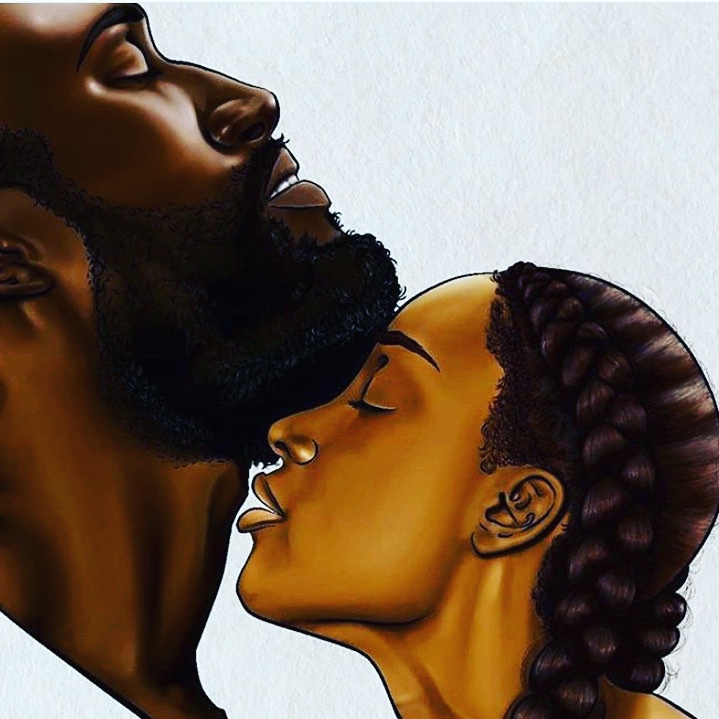



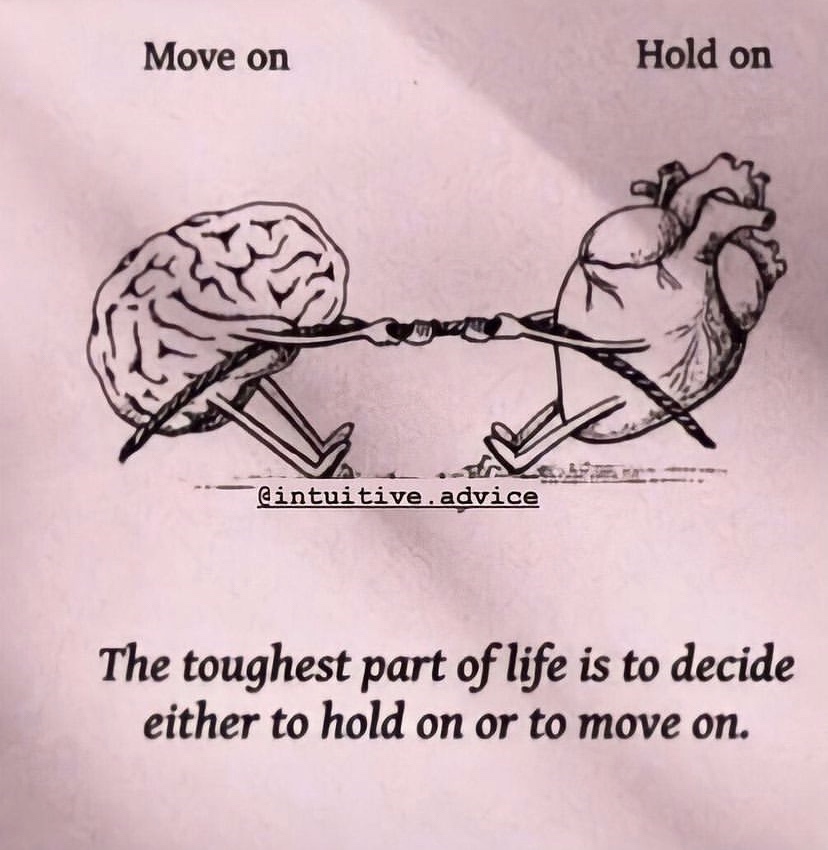





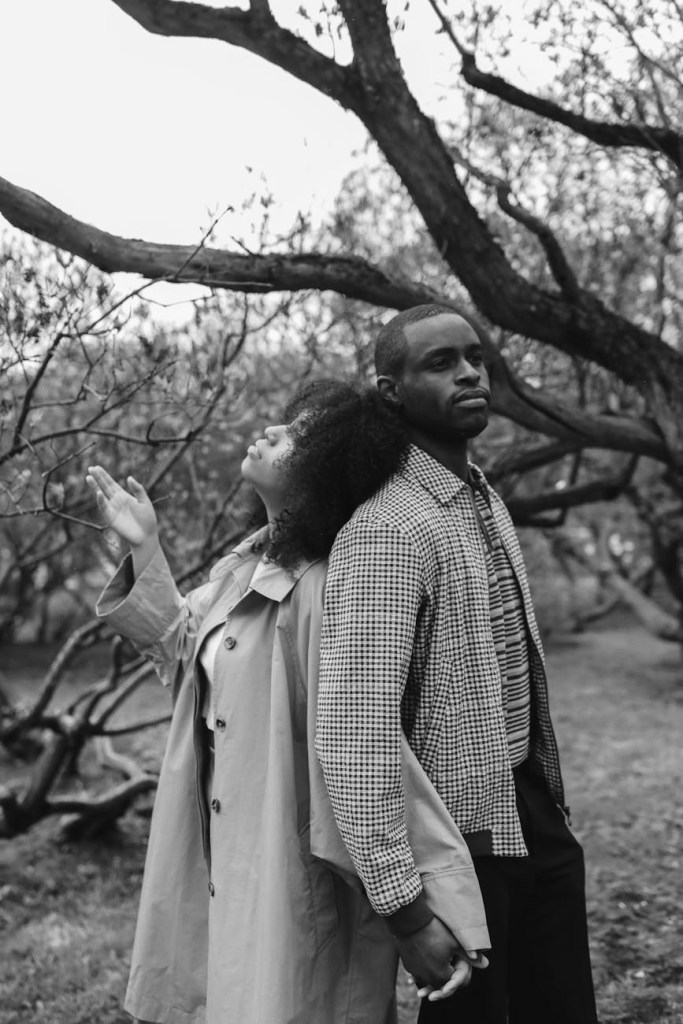


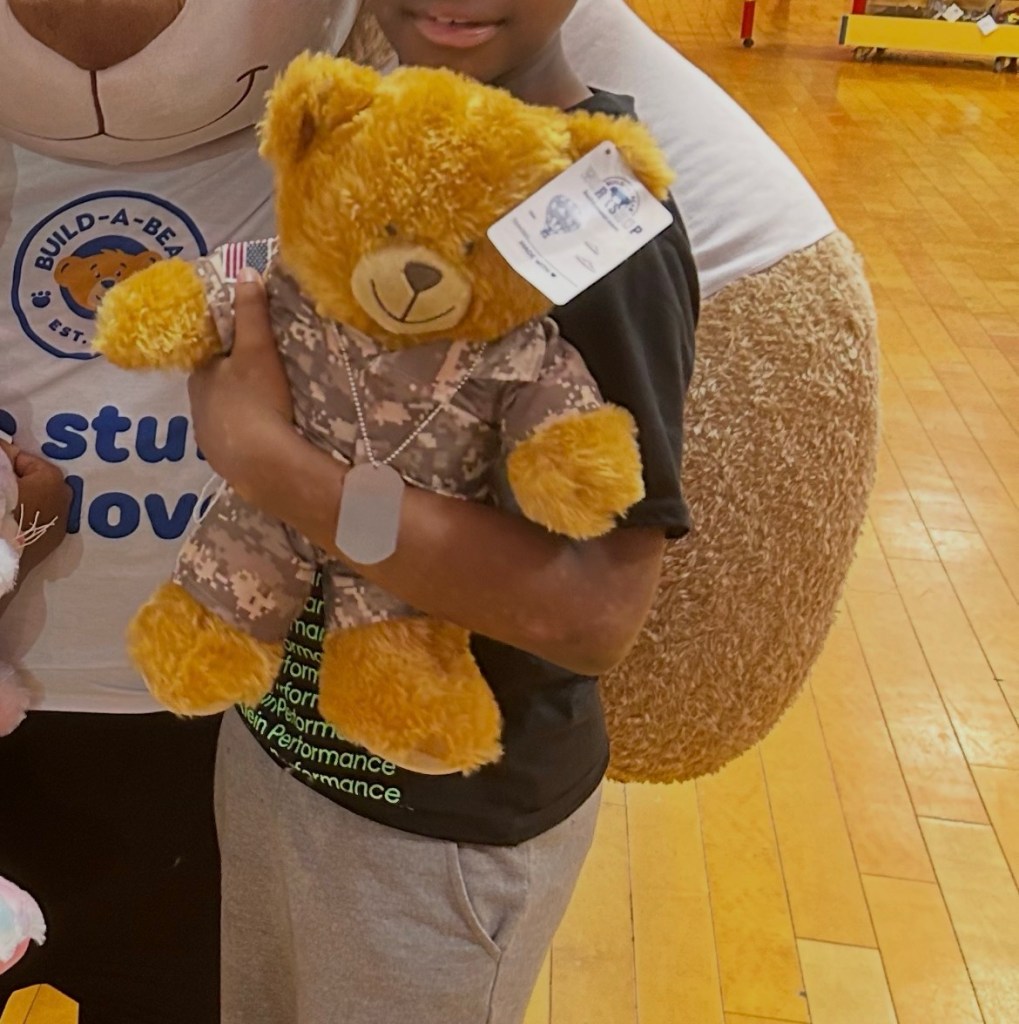






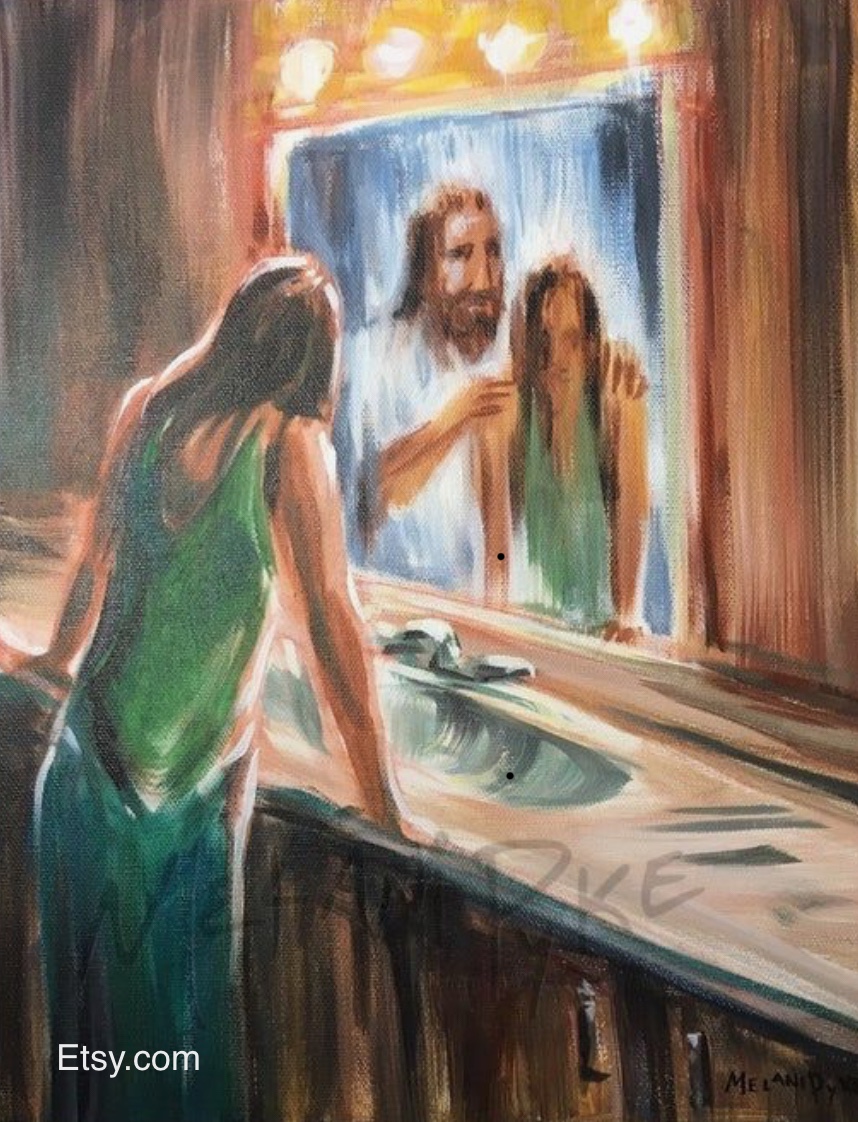


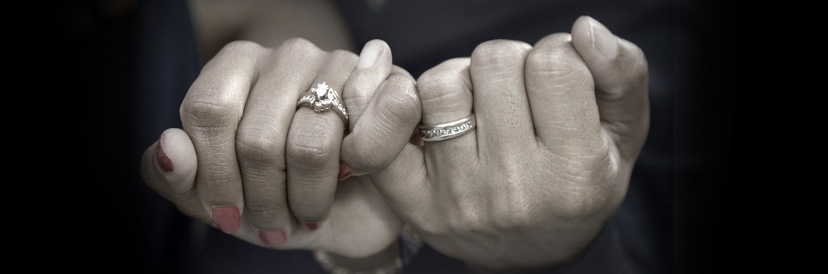

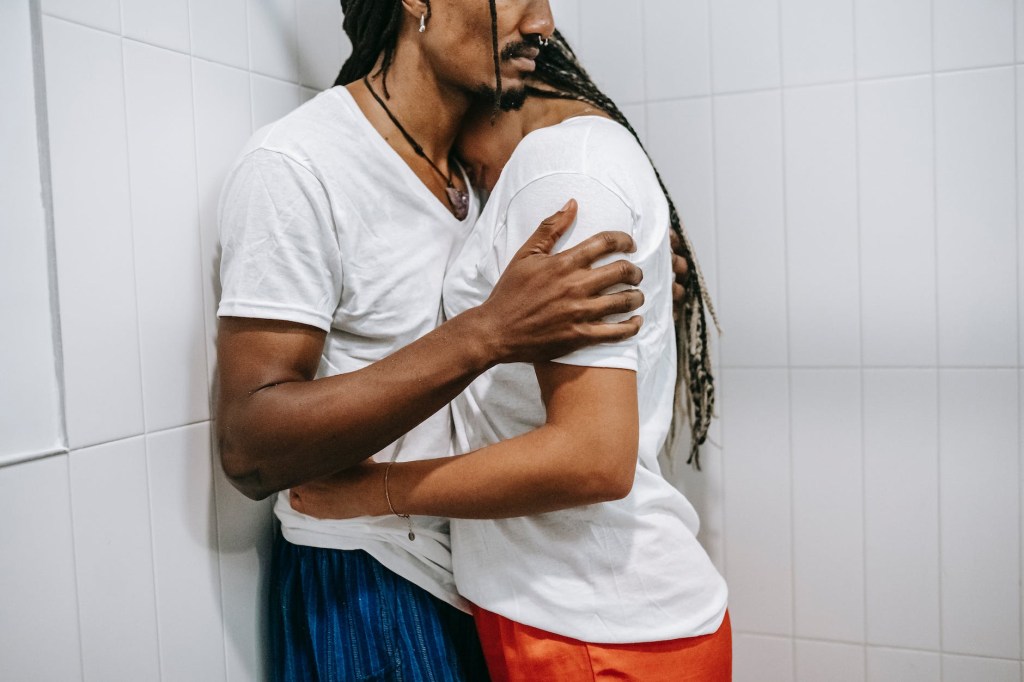


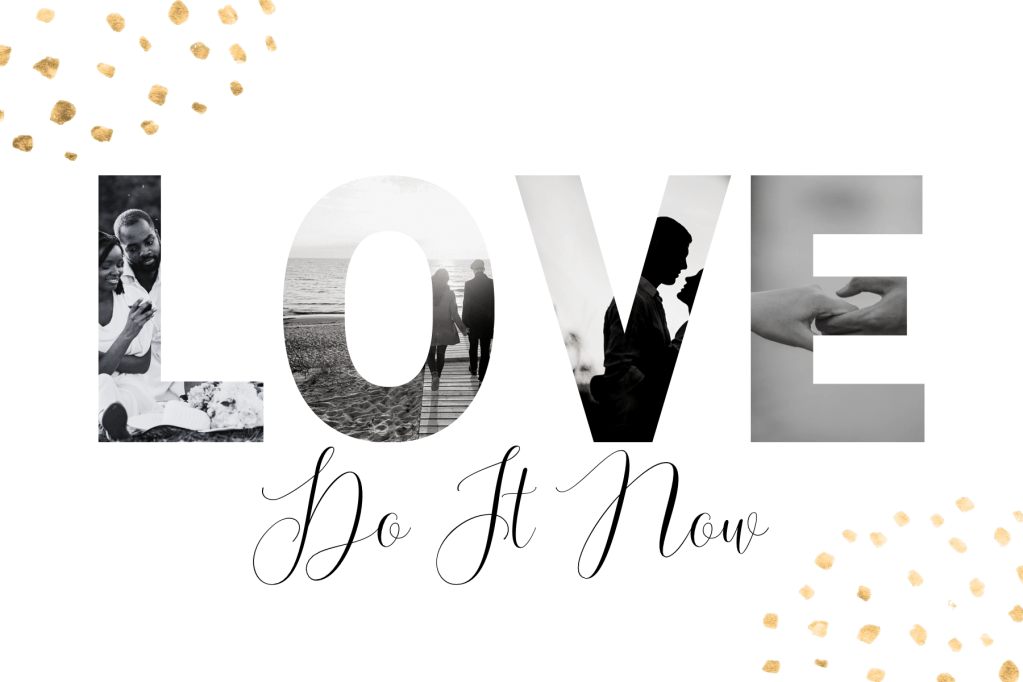

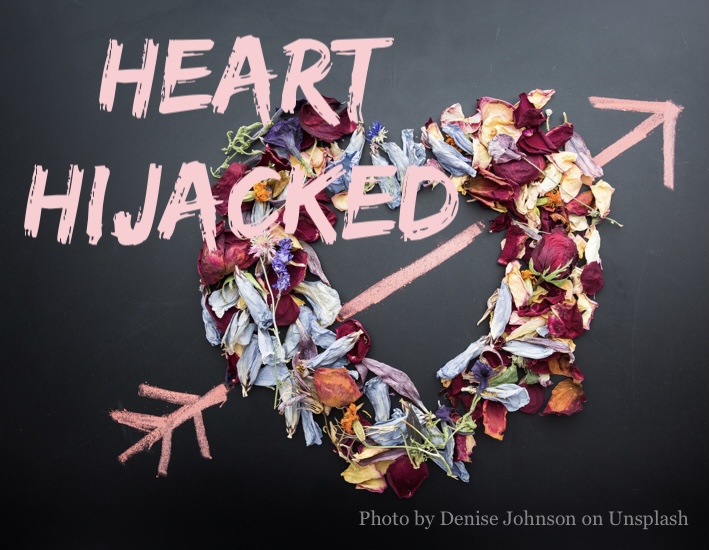








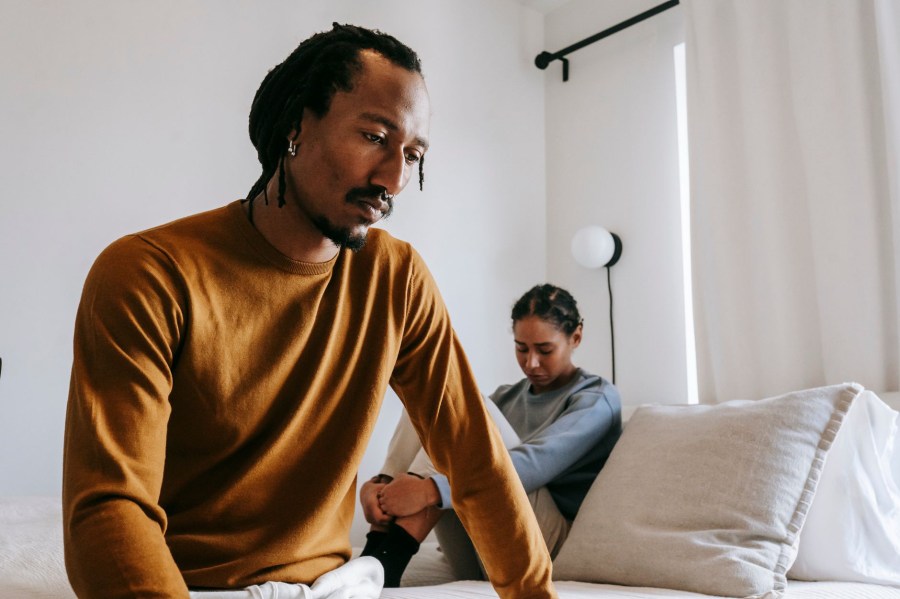
















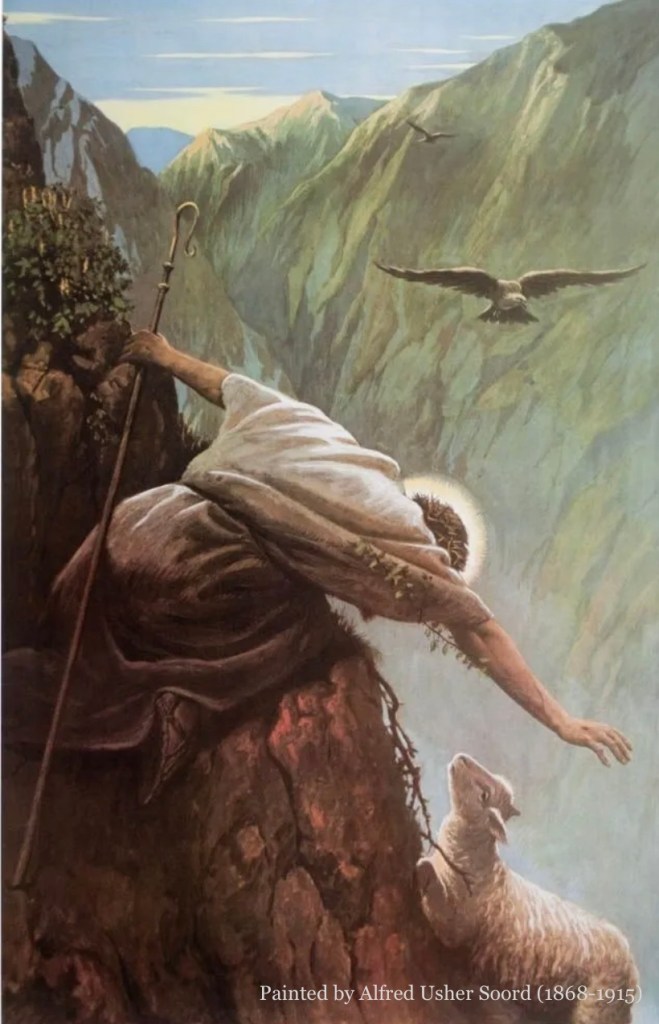
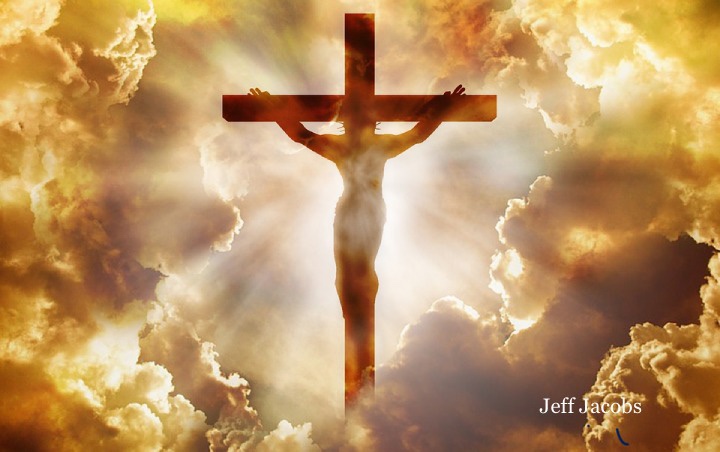





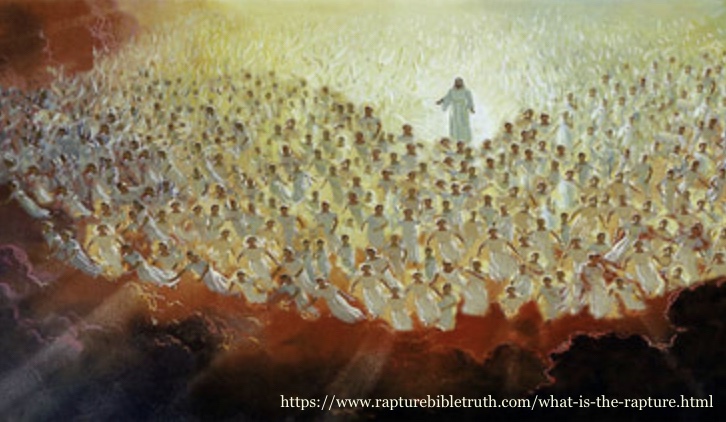


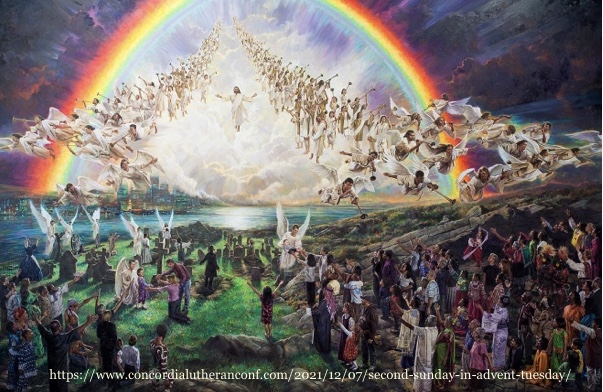















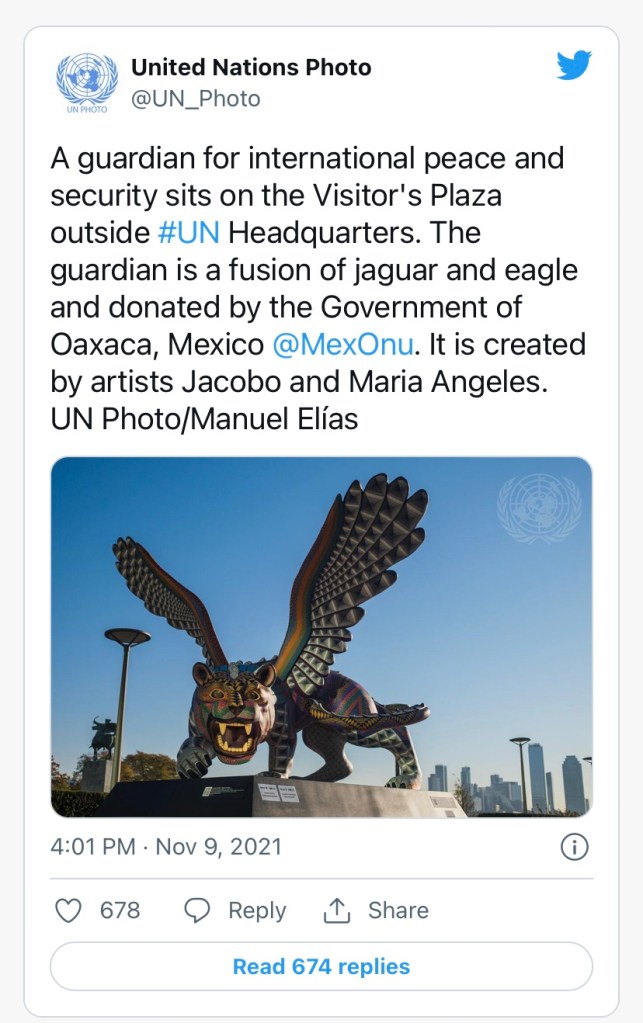


















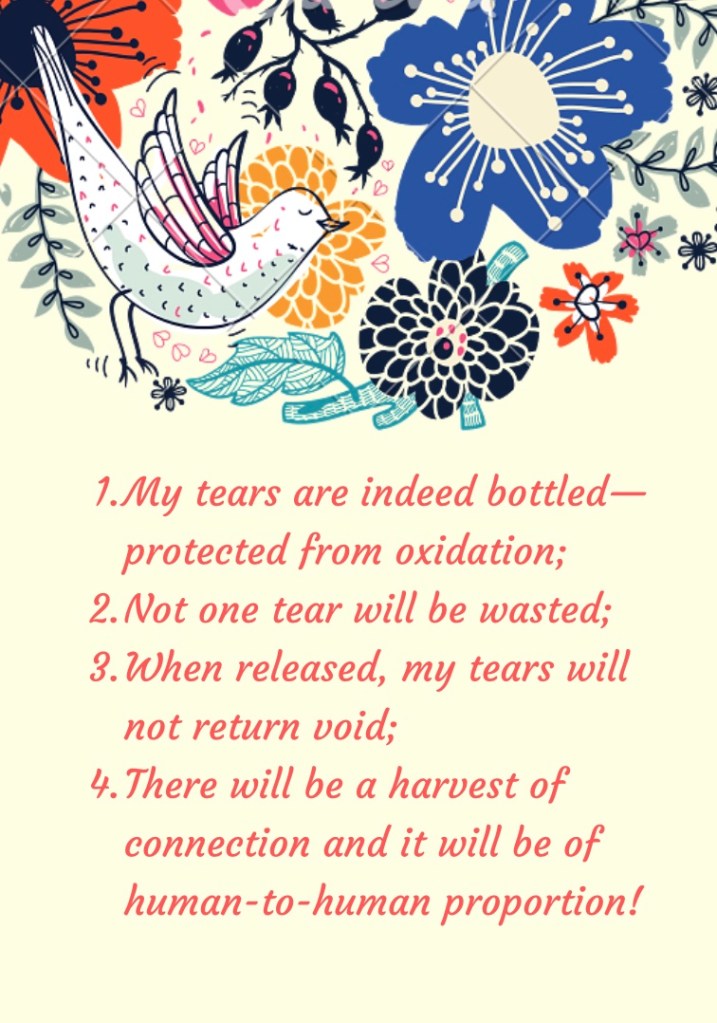

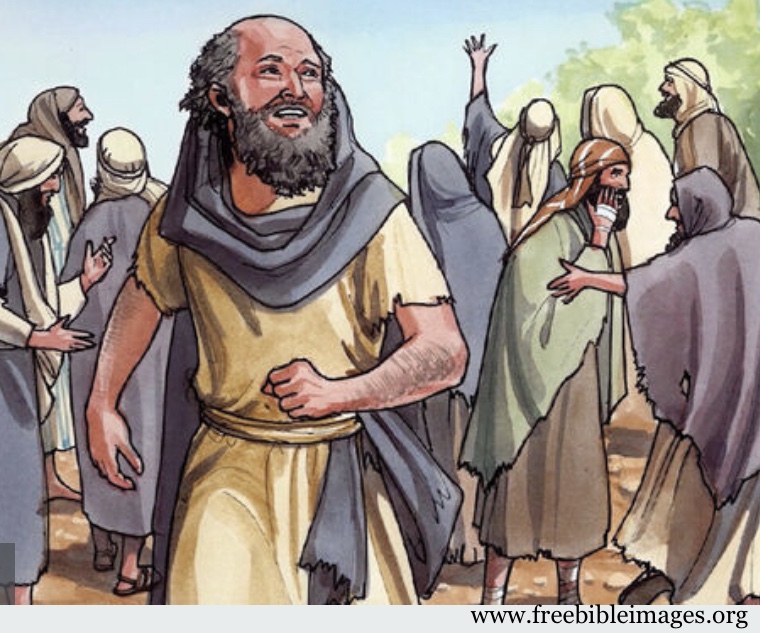


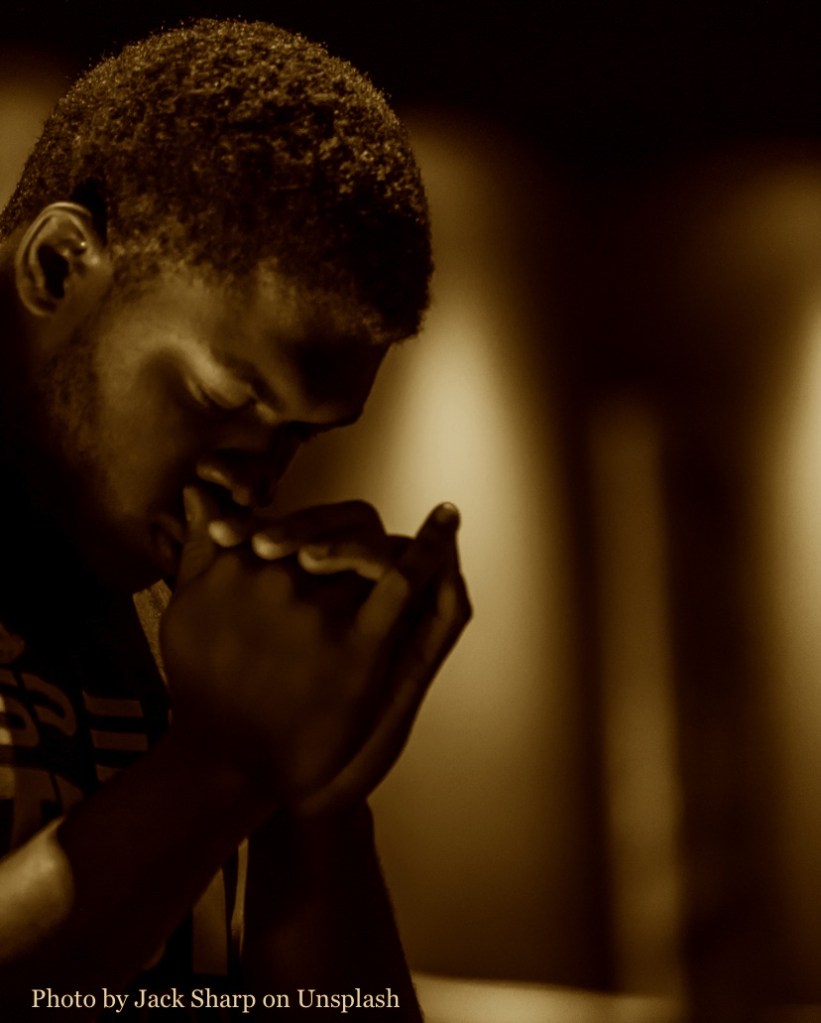

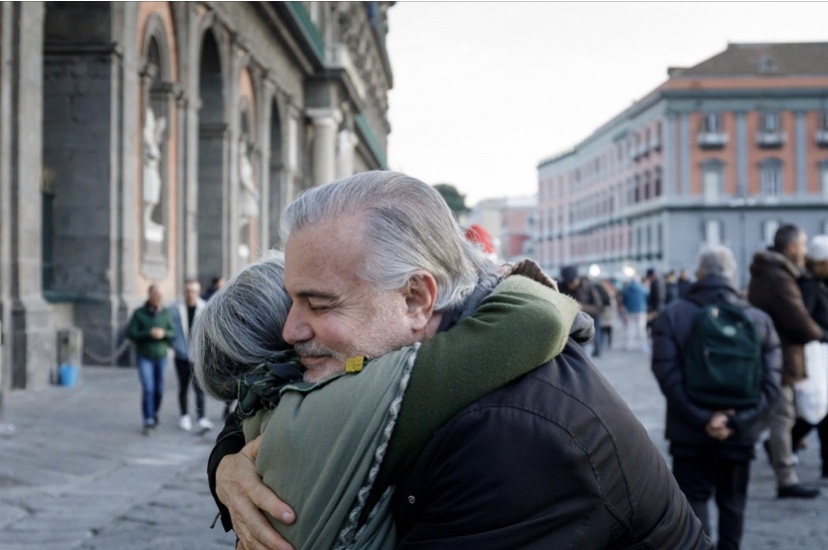


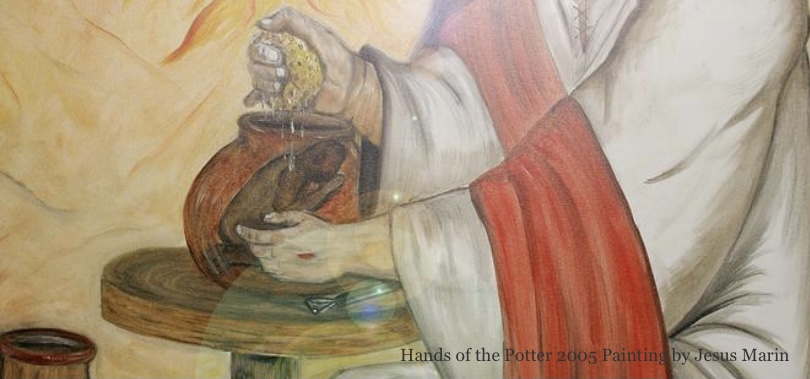


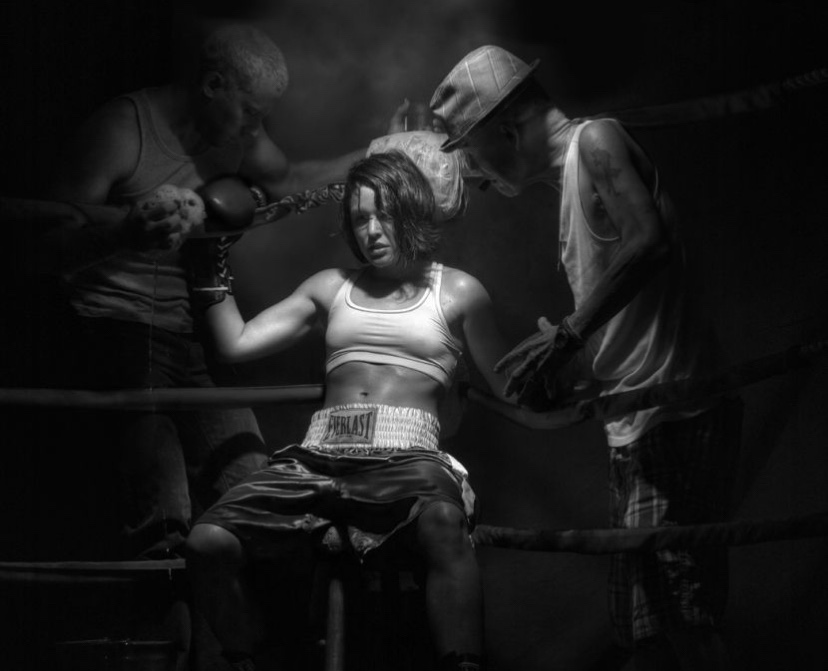









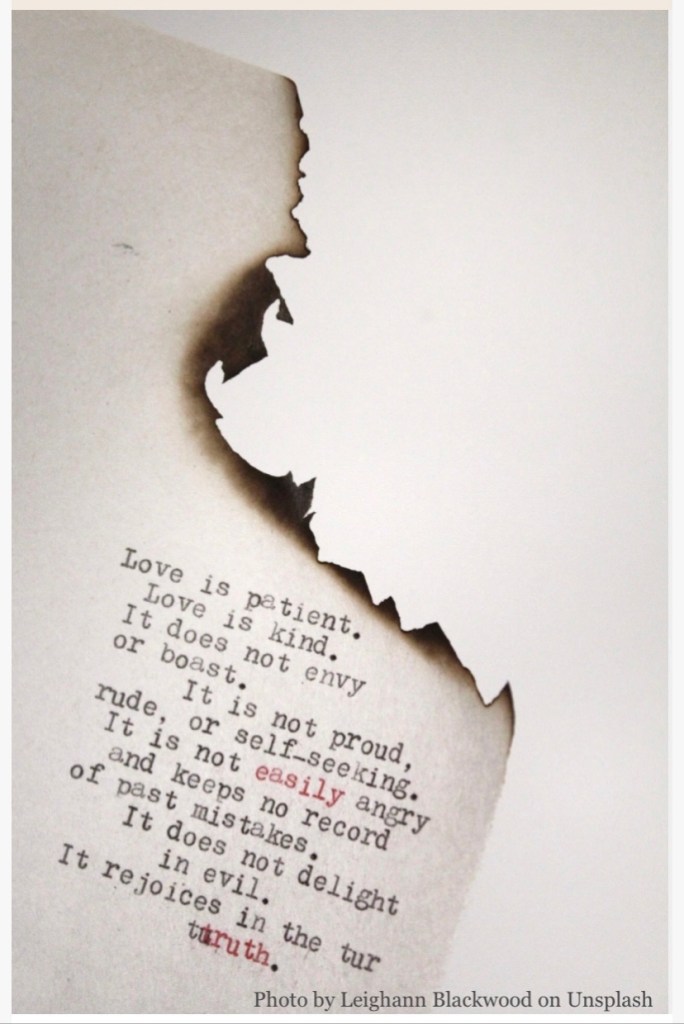


 Poems & More